
Smart Irrigation Mistakes That Waste Water and Yield
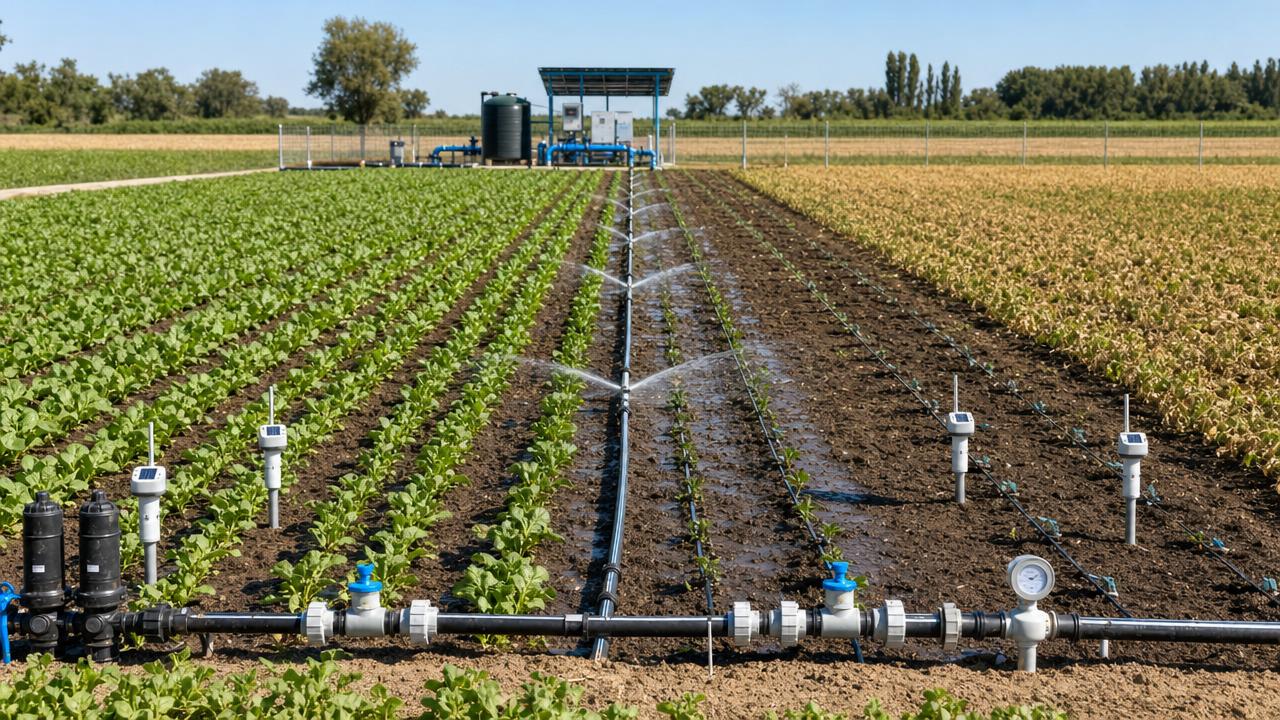
Even the most advanced smart irrigation system can lose water, energy, and yield through small operating errors. In modern agriculture, precision only works when sensors, pressure, timing, and scheduling stay aligned.
For farms managing labor shortages, climate volatility, and tighter margins, avoiding smart irrigation mistakes is often faster and cheaper than buying new hardware. Better decisions protect root health, crop uniformity, and return on investment.
Why smart irrigation needs a disciplined review process
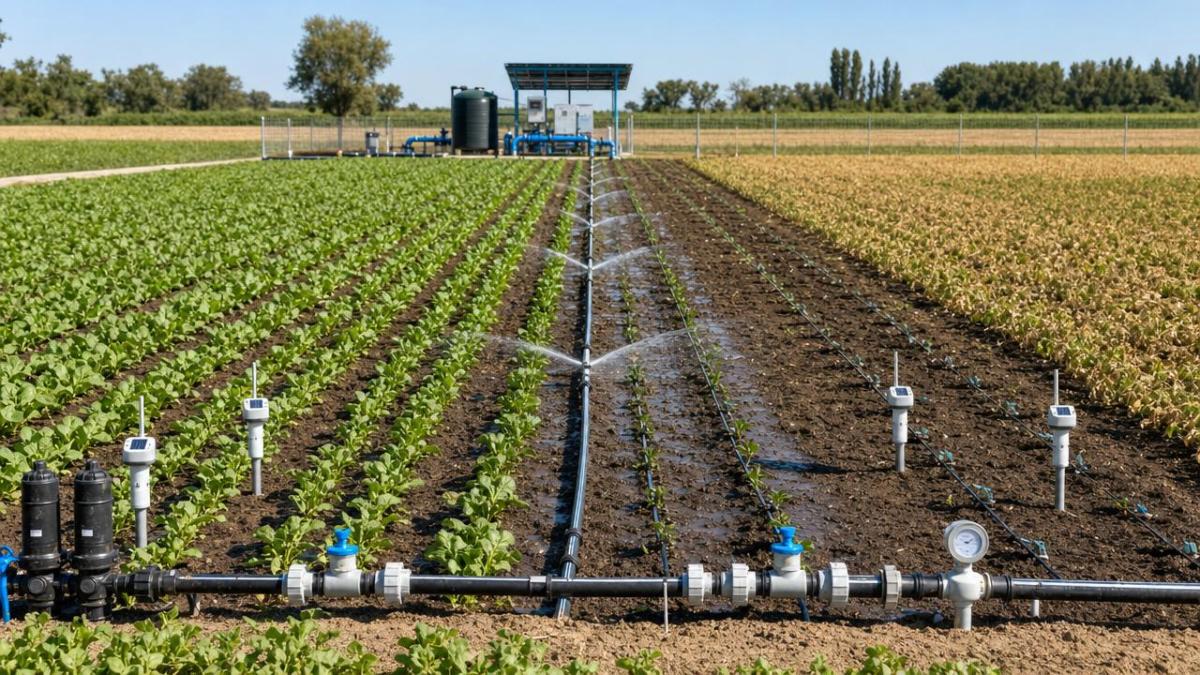
Smart irrigation combines controllers, valves, pumps, sensors, weather data, and fertigation logic. When one input fails, the whole system can overwater some zones and stress others.
A structured review helps catch hidden losses before they appear as runoff, disease pressure, nutrient leaching, or uneven canopy growth. It also supports stronger water-use efficiency across open fields and CEA operations.
Core smart irrigation checks that prevent water waste and yield loss
- Verify soil moisture sensors against manual field checks at multiple depths, because drifted readings often trigger irrigation too early or too late.
- Check pressure uniformity across zones weekly, since unstable pressure changes emitter output and creates hidden wet spots and dry bands.
- Review irrigation start times against evapotranspiration, wind, and crop stage, not just fixed clock schedules carried over from previous seasons.
- Confirm flow meters match expected zone demand, because unexplained differences may reveal leaks, clogging, valve failure, or wrong runtime settings.
- Inspect filtration performance regularly, especially with surface water sources, since partial clogging reduces distribution uniformity before operators notice visible stress.
- Match irrigation duration to rooting depth and soil texture, because shallow frequent cycles can weaken roots and waste water below crop needs.
- Audit weather-based automation rules every month, as incorrect rainfall inputs or forecast assumptions can suspend needed irrigation or cause overapplication.
- Calibrate fertigation injection rates with actual water volume, because nutrient concentration errors can compound irrigation mistakes and reduce yield quality.
- Compare field variability maps with irrigation performance data, using drone imagery or scouting to find recurring stress patterns linked to delivery problems.
- Document every adjustment in one log, so recurring smart irrigation issues can be traced to timing, hardware changes, or software updates.
The most common smart irrigation mistakes
1. Trusting sensor data without ground-truthing
Smart irrigation depends on reliable data, but sensors drift, lose contact, or sit in unrepresentative soil. One faulty probe can distort decisions across an entire block.
Use handheld checks, shovel inspections, or tensiometer comparisons. Validate both depth and placement, especially after cultivation, rodent activity, or heavy rainfall events.
2. Using fixed schedules when crop demand changes
A schedule that worked during vegetative growth may fail during flowering, fruit set, or grain fill. Smart irrigation should follow crop demand, not calendar habit.
Adjust runtimes using evapotranspiration, canopy development, and root expansion. Seasonal transitions often expose overwatering faster than operators expect.
3. Ignoring pressure imbalance and hydraulic limits
Even advanced controllers cannot fix poor hydraulics. Pressure loss from elevation change, long laterals, worn regulators, or pump mismatch reduces smart irrigation accuracy.
Monitor upstream and downstream pressure. If one end of the zone waters differently, the software may look correct while the crop response says otherwise.
4. Overlooking clogged emitters and filtration decline
Clogging rarely appears everywhere at once. Small restrictions gradually create uneven irrigation, weak stands, and nutrient inconsistency, especially in drip and micro-irrigation systems.
Flush lines, inspect filters, and test distribution uniformity. Water quality shifts from algae, sediment, or dissolved minerals can quickly undermine performance.
5. Letting automation run without regular review
Automation saves labor, but unattended automation can repeat mistakes every day. A wrong threshold in smart irrigation can waste thousands of liters before anyone notices.
Review alarms, runtime history, skipped cycles, and manual overrides. Any unusual pattern should trigger field inspection, not just another dashboard adjustment.
How checks change by application scenario
Open-field row crops
Large fields amplify small smart irrigation errors. One pressure issue or scheduling mistake can affect many hectares before stress becomes visible from the road.
Use zone-by-zone flow verification, ET-based scheduling, and drone scouting. NDVI or thermal variability often reveals irrigation performance gaps earlier than visual inspection.
Orchards and vineyards
Perennial crops need consistent root-zone control. Smart irrigation mistakes here often reduce fruit size, sugar development, and long-term plant balance.
Check emitter clogging, split-set timing, and depth-specific moisture readings. Tree age, canopy load, and slope exposure can justify separate irrigation strategies.
Greenhouses and CEA systems
In controlled environments, smart irrigation connects directly with climate, fertigation, and substrate behavior. A timing error may quickly affect oxygen levels and disease risk.
Track drain percentage, EC, pH, and radiation-based trigger rules. Frequent calibration matters because greenhouse precision can magnify both gains and mistakes.
Often ignored risks that deserve more attention
Software updates can change behavior
Controller updates may alter logic, units, alerts, or integration settings. Recheck smart irrigation rules after every firmware or platform change.
Leak detection is not always immediate
Some leaks remain below alarm thresholds yet still waste large water volumes over time. Compare nighttime flow and non-irrigation baseline readings.
Poor zoning hides real crop demand
Combining different soils, slopes, or crop vigor into one zone weakens smart irrigation decisions. Uniform control requires reasonably uniform field conditions.
Energy costs rise with irrigation mistakes
Overwatering wastes more than water. It also increases pumping hours, filtration load, and maintenance frequency, reducing the total ROI of precision systems.
Practical steps to improve smart irrigation performance
- Set a weekly review for pressure, flow, sensor values, and completed runtimes.
- Create seasonal irrigation templates by crop stage, then adjust with live weather and field data.
- Use field scouting, drone imagery, and soil inspection to verify dashboard conclusions.
- Separate zones where soil texture, slope, or crop vigor clearly differ.
- Keep maintenance logs for filters, valves, pumps, probes, and fertigation injectors.
- Define alarm thresholds that trigger immediate inspection, not delayed review.
FAQ about smart irrigation mistakes
How often should smart irrigation sensors be calibrated?
At minimum, check them before each season and after unusual events. High-value crops and CEA systems usually need more frequent validation.
Can smart irrigation reduce yield even when water use falls?
Yes. Water savings are not enough if timing, uniformity, or root-zone coverage becomes too restrictive during critical growth stages.
What is the fastest way to find hidden irrigation problems?
Compare flow data, pressure readings, and field imagery together. Smart irrigation problems often become obvious when operational data meets crop response.
Conclusion and next action
Smart irrigation delivers its best results when hardware, agronomy, and data review work together. Most water waste and yield loss come from preventable operational gaps, not from the technology concept itself.
Start with one block, one greenhouse zone, or one orchard section. Audit sensors, pressure, flow, and timing this week. Small corrections in smart irrigation can produce fast gains in efficiency, crop uniformity, and long-term profitability.
Related Intelligence