
Smart Irrigation Control: Key Features to Compare
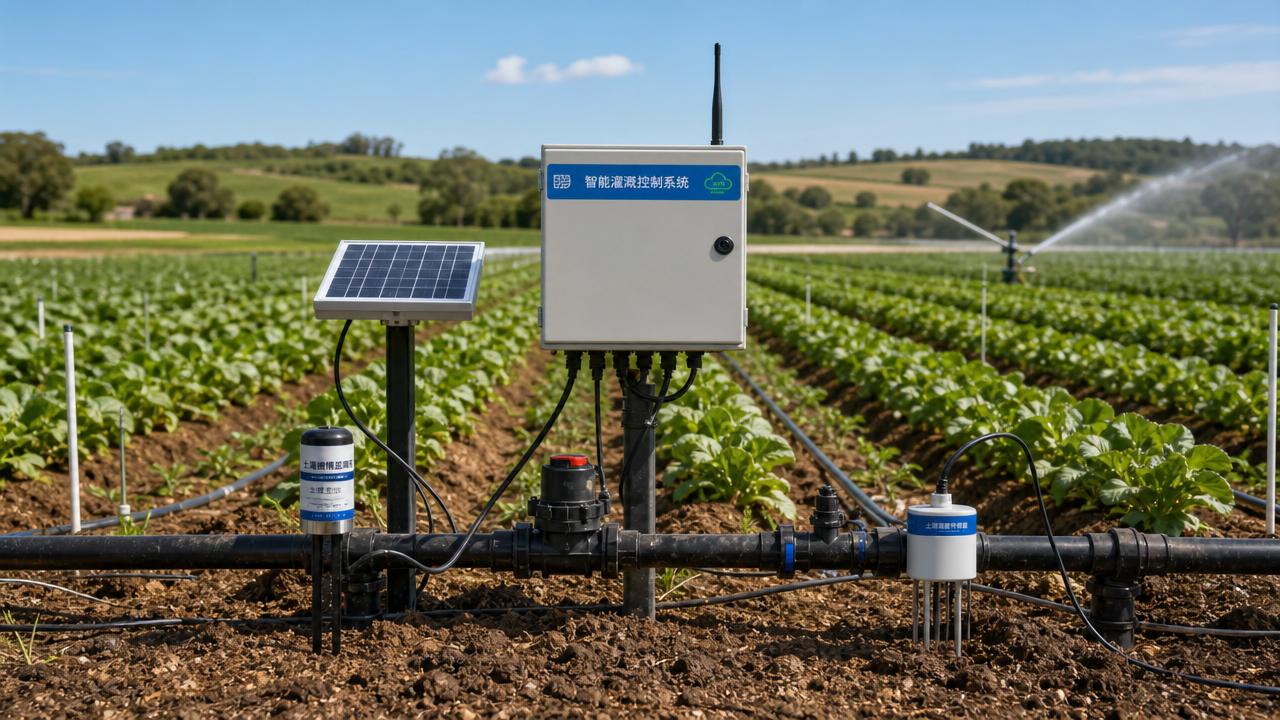
For procurement teams evaluating smart irrigation control solutions, the right comparison goes far beyond basic automation. From sensor accuracy and remote connectivity to water-saving performance, platform compatibility, and long-term maintenance costs, each feature can directly affect ROI and operational reliability. This guide outlines the key features to compare so buyers can make confident, scalable decisions for modern agricultural operations.
When buyers search for smart irrigation control options, they are rarely looking for theory alone. They usually need a practical way to compare systems, reduce risk, and justify investment.
For procurement teams, the best system is not simply the one with more features. It is the one that matches crop needs, infrastructure, staffing realities, data workflows, and long-term operating economics.
What Procurement Teams Should Compare First
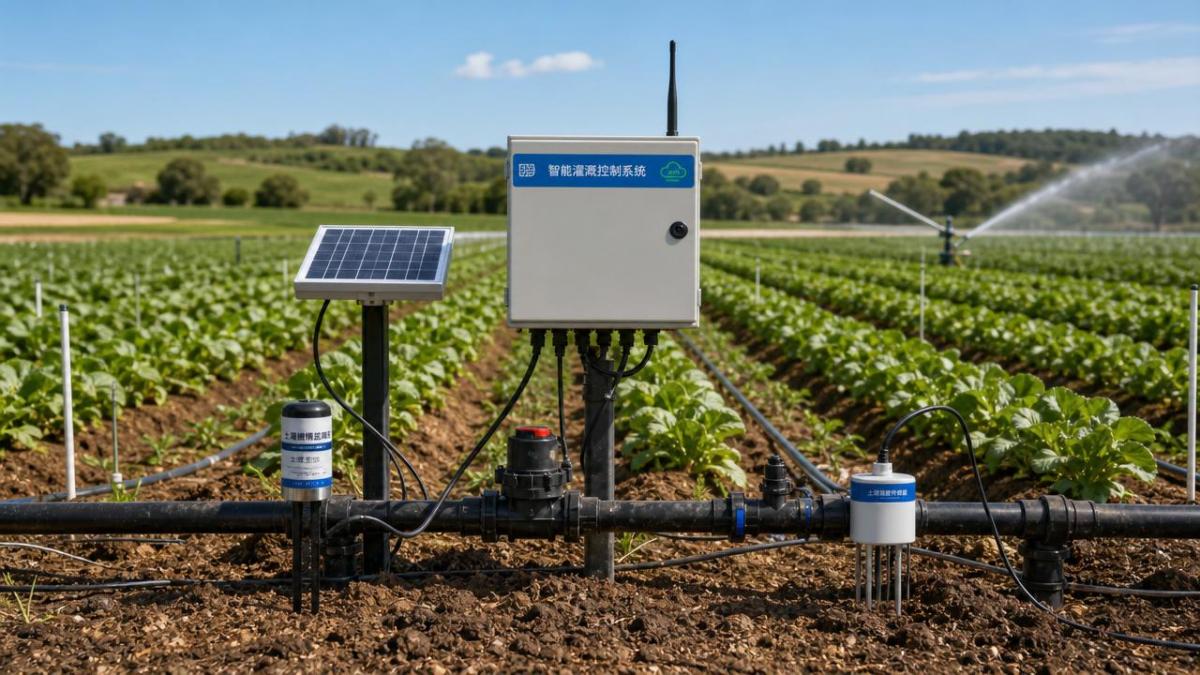
The fastest way to compare a smart irrigation control platform is to focus on five areas first: control accuracy, connectivity, integration, scalability, and total cost of ownership.
These areas matter because they directly influence water use efficiency, crop consistency, labor requirements, service burden, and the useful life of the irrigation investment across multiple growing seasons.
In many purchasing processes, feature lists look similar on paper. However, actual differences appear in sensor reliability, alert quality, ease of setup, support responsiveness, and software usability.
A strong procurement review should therefore move beyond brochures. Buyers should ask how the system performs under heat, dust, unstable cellular coverage, mixed field layouts, and varying irrigation schedules.
How Precise Is the System in Real Irrigation Conditions?
Precision is the first feature to compare because poor control accuracy can erase the promised savings of any smart irrigation control system, even if the interface looks modern.
Start with the sensors. Compare soil moisture sensing depth options, calibration methods, salinity tolerance, weather station quality, and how often measurements update in the platform.
Ask whether the system uses only timer-based automation or whether it can adjust irrigation dynamically based on soil conditions, evapotranspiration, rainfall, crop stage, and forecast data.
Procurement teams should also verify valve control accuracy, flow monitoring sensitivity, and leak detection capability. These details matter because small control errors can become large water and energy losses.
In high-value crops, irrigation timing can influence not only yield but also uniformity, disease pressure, and input efficiency. Better control therefore supports both agronomic and financial performance.
If the supplier claims water savings, ask how those results were measured. Credible vendors should show field data, baseline assumptions, and the crop or region conditions behind the numbers.
Will Connectivity and Remote Access Work in the Real World?
Remote monitoring is one of the biggest reasons buyers choose smart irrigation control, but its value depends heavily on how well connectivity performs in actual operating environments.
Compare communication methods such as cellular, LoRaWAN, Wi-Fi, radio, or wired networks. The right option depends on field size, topography, greenhouse layout, and local infrastructure stability.
For distributed farms, buyers should ask what happens when connectivity drops. A good system should continue local control safely and then synchronize data once the connection returns.
Mobile access is equally important. Procurement teams should test whether managers can approve schedule changes, receive alarms, and view trends clearly from phones, tablets, and desktops.
Alert design deserves close attention. Too many false alarms create fatigue, while weak alert logic can delay response to pump failures, line breaks, blocked emitters, or abnormal moisture readings.
For larger enterprises, user permissions matter as well. The platform should support role-based access so agronomists, irrigators, technicians, and management can each see and control relevant functions.
How Well Does It Integrate with Existing Infrastructure?
Many irrigation projects fail to deliver full value because the new control platform does not fit existing pumps, filters, valves, fertigation units, weather stations, or farm management software.
Before comparing brands, procurement teams should map current infrastructure carefully. Include controller types, field blocks, water sources, power availability, telemetry equipment, and data systems already in use.
Then ask vendors whether their smart irrigation control solution supports open protocols, third-party sensors, and mixed hardware environments. Closed ecosystems can increase future dependency and upgrade costs.
Integration is especially important in modern agricultural operations where irrigation data may need to align with yield maps, greenhouse climate systems, drone scouting, or broader decision-support platforms.
Compatibility with fertigation is another key checkpoint. If irrigation and nutrient delivery are managed together, the control system should support accurate dosing, scheduling logic, and traceable application records.
Good integration also reduces training burden. Staff can work faster when dashboards, reports, and alarms connect logically with current workflows instead of forcing parallel manual processes.
Can the System Scale Across Sites, Crops, and Seasons?
Procurement decisions should not be based only on one pilot block. Buyers need to assess whether the platform can scale across additional acres, crops, greenhouses, or regional operations.
Scalability includes both hardware and software. Hardware should allow modular expansion without full replacement, while software should support more users, zones, devices, and reporting complexity over time.
This is especially important for enterprises managing different irrigation methods, such as drip, pivot, sprinkler, or greenhouse fertigation. A flexible platform lowers fragmentation and simplifies governance.
Ask whether the vendor supports multi-site dashboards, benchmarking across farms, and centralized reporting. These functions matter for procurement teams responsible for standardization and long-term vendor rationalization.
Seasonal adaptability also matters. Crops change, water restrictions tighten, and production plans shift. The system should be able to handle revised schedules, new thresholds, and updated agronomic logic.
If expansion into protected cultivation or controlled environment agriculture is possible, check whether the same platform can support those environments or whether a second system would be required.
What Does Total Cost of Ownership Really Look Like?
Upfront price is only one part of the decision. A meaningful smart irrigation control comparison must include installation, subscriptions, training, maintenance, spare parts, support, and upgrade costs.
Some lower-priced systems become expensive because they require frequent calibration, proprietary replacements, or paid service visits for routine configuration changes. Procurement teams should model these hidden costs early.
Software pricing also deserves scrutiny. Ask whether fees are based on device count, acreage, user seats, data volume, or premium analytics. Cost structures can change significantly as operations grow.
Buyers should also estimate savings realistically. Water reduction, labor reduction, pump energy efficiency, fewer crop stress events, and better application timing all contribute to return on investment.
However, ROI should be assessed against the buyer’s own baseline, not generic marketing claims. The most useful evaluation compares current irrigation performance with expected gains under actual field conditions.
For larger purchases, request a cost model over three to five years. That time frame usually reveals the difference between a cheap system and a financially durable one.
How Strong Are Service, Maintenance, and Vendor Support?
Even the best platform can underperform if support is weak. Procurement teams should compare onboarding quality, local service coverage, spare part availability, and technical response time.
Ask whether the vendor provides installation assistance, agronomic setup guidance, training for operators, and documentation for troubleshooting. Smart systems often fail not from hardware issues but from poor implementation.
It is also wise to review firmware update policies, cybersecurity practices, and data backup procedures. As irrigation control becomes more connected, operational resilience becomes part of the purchasing decision.
Reference checks are essential. Speak with similar farms or greenhouse operators about downtime frequency, sensor drift, software reliability, and whether promised support was actually delivered after purchase.
Vendors with strong agricultural domain knowledge usually perform better than generic automation suppliers. They understand irrigation variability, seasonal urgency, and the operational cost of delayed repairs.
Which Features Matter Most by Use Case?
Not every buyer should weigh features in the same way. Open-field row crop operations, orchards, vineyards, and greenhouse growers often need different priorities in a smart irrigation control system.
For broad-acre operations, connectivity range, zone management, and rugged hardware may matter most. For orchards and vineyards, moisture precision and block-level control can be more critical.
For greenhouses and CEA environments, integration with climate control, fertigation precision, and continuous data visibility usually carry greater weight than simple remote valve automation.
Procurement teams should therefore create a weighted scorecard based on operational priorities. This helps prevent buying the system with the longest feature list instead of the best operational fit.
A useful scorecard may include agronomic performance, compatibility, ease of use, service quality, scaling potential, reporting quality, and five-year cost. This creates a clearer, more defensible decision process.
Questions Buyers Should Ask Before Final Selection
Before awarding a contract, buyers should ask vendors to demonstrate how the system handles a realistic irrigation event from sensor reading to scheduling adjustment and alarm response.
They should also ask for evidence of water savings under conditions similar to their own, including crop type, climate, irrigation method, and management intensity.
Other important questions include expected sensor lifespan, calibration frequency, offline operation capability, integration limits, warranty terms, and average support response time during peak season.
If possible, request a pilot with clear success metrics. A short structured trial can reveal usability issues, connectivity gaps, and data quality limitations that may not appear during presentations.
Finally, ensure commercial terms match operational reality. Contract language should cover support scope, software access, update policies, data ownership, and responsibilities during installation and commissioning.
Final Takeaway for Smart Irrigation Control Procurement
The most effective smart irrigation control purchase is not the one with the most impressive dashboard. It is the one that improves water decisions reliably, fits existing operations, and scales without excessive cost.
For procurement teams, the best comparison starts with field performance and ends with lifecycle economics. Precision, connectivity, integration, scalability, and support should guide the decision more than marketing language.
When these factors are evaluated carefully, buyers can move beyond basic automation and choose a system that delivers measurable water savings, stronger operational control, and long-term agricultural value.
Related Intelligence