
Why some agricultural machinery costs more to own than to buy
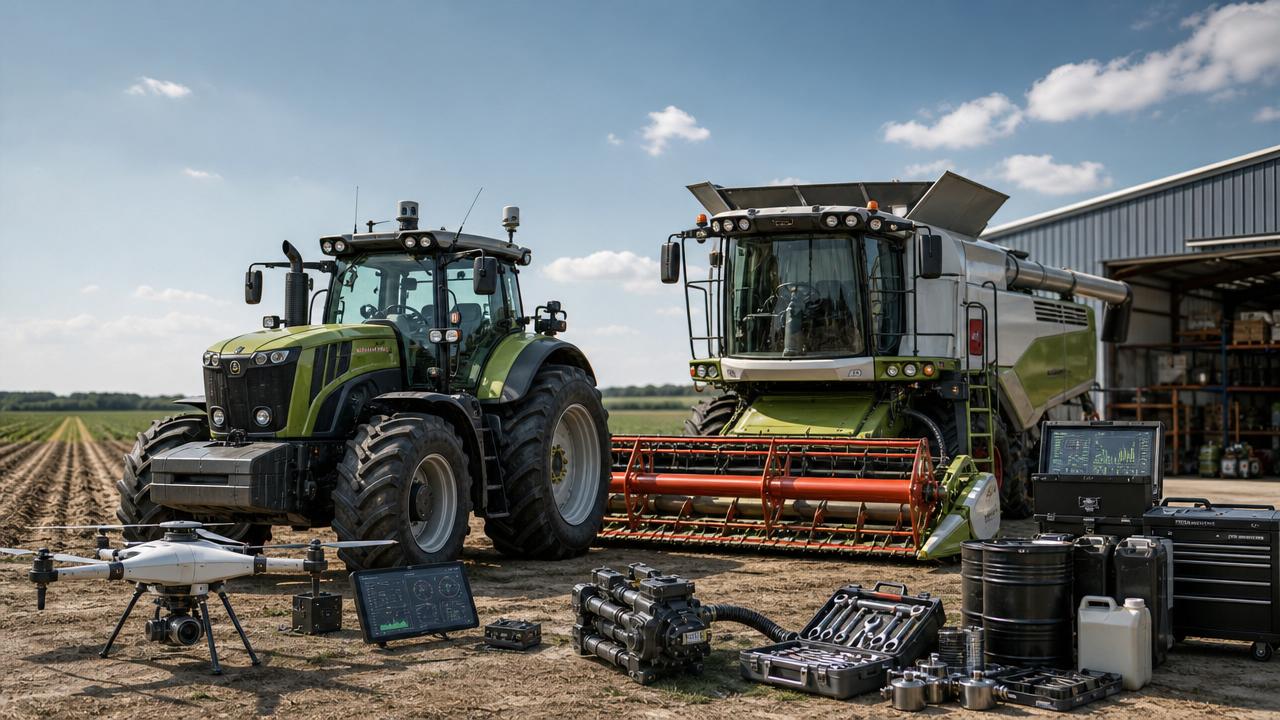
Many equipment decisions begin with the purchase quote, but agricultural machinery rarely stops costing money after delivery. In practice, fuel burn, repairs, downtime, telematics fees, software locks, labor learning curves, and resale volatility can make total ownership cost exceed the original invoice.
That matters even more in modern farming, where smart tractors, combines, ag-drones, balers, and CEA systems depend on electronics, hydraulics, and data platforms as much as steel. When evaluating agricultural machinery, the smarter question is not “What does it cost to buy?” but “What will it cost to own well?”
Why a structured review matters before buying agricultural machinery
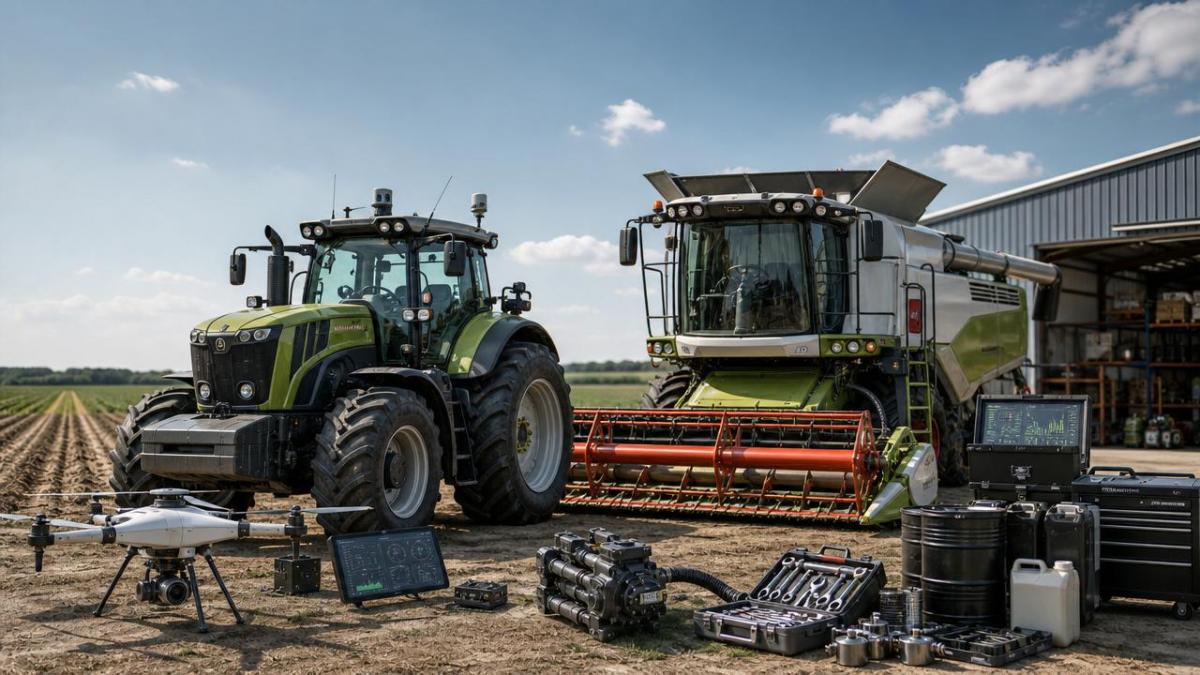
Ownership costs are rarely visible in one place. A dealer quote may exclude training, support plans, replacement parts, connectivity, insurance, and financing effects. A structured review prevents hidden expenses from undermining yield, uptime, and long-term ROI.
This is especially true for high-horsepower and precision-enabled agricultural machinery. RTK guidance, CVT transmissions, drone payload systems, automated feeding, and greenhouse climate controls all improve productivity, yet each adds service complexity and cost dependencies.
The key ownership checklist for agricultural machinery
Use the following points to compare equipment options beyond sticker price. Each item helps reveal whether agricultural machinery will remain profitable through its full service life.
- Calculate fuel or energy consumption under real field loads, not brochure averages, because operating conditions, terrain, crop density, and transport distance can sharply raise daily running costs.
- Map scheduled maintenance intervals, fluid types, filter replacement frequency, and labor hours required, since service complexity often separates affordable agricultural machinery from expensive ownership cases.
- Review parts availability and average delivery times, because a low-priced machine becomes costly when a sensor, belt, bearing, or hydraulic valve causes multi-day harvest delays.
- Estimate downtime cost per hour during critical windows, especially for planting and harvesting, where delayed fieldwork can destroy more value than a major repair invoice.
- Check software subscriptions, telematics plans, RTK correction fees, cloud storage, and unlock licenses, since digital agricultural machinery may require recurring payments to keep key functions active.
- Assess operator training time and error risk, because advanced controls, autonomy features, and calibration tasks can reduce efficiency before teams reach stable performance.
- Compare warranty scope carefully, including electronics, powertrain, hydraulic systems, and guidance modules, because limited coverage can shift expensive failures directly into the ownership budget.
- Study compatibility with existing implements, farm software, charging infrastructure, and data standards, since integration failures create hidden retrofit costs after the machine arrives.
- Include financing, insurance, taxes, and depreciation, because cash cost and accounting cost both influence whether agricultural machinery supports healthy long-term capital efficiency.
- Estimate resale value using realistic local demand, not optimistic assumptions, since specialized or over-configured machines may lose value faster than mainstream models.
How hidden ownership costs change across equipment scenarios
High-horsepower smart tractors
Large tractors often look attractive when spread across many acres. However, fuel burn under heavy tillage, tire wear, transmission service, and DEF usage can materially change cost per acre.
RTK guidance and autonomy improve precision, but correction signals, screen upgrades, and steering hardware support add recurring expenses. For agricultural machinery in this class, uptime during narrow planting windows is financially decisive.
Combines, headers, and balers
Harvest equipment can become the clearest example of why ownership exceeds purchase cost. A machine may be idle for much of the year, yet maintenance, storage, and preseason preparation continue.
During harvest, one failed belt, bearing, or moisture sensor can stop throughput completely. In this category of agricultural machinery, downtime cost often outweighs the price advantage of a cheaper unit.
Precision ag-drones
Ag-drones reduce labor and improve targeted spraying, but batteries, charging cycles, rotor components, firmware updates, and operator certification all affect total cost.
Payload capability alone is not enough. Agricultural machinery in aerial applications must also be judged by spare battery inventory, field charging logistics, weather limitations, and local compliance obligations.
Greenhouse and climate-control systems
CEA systems usually involve high upfront capital, but energy, water treatment, dosing equipment, sensors, and environmental controls define the true ownership curve.
This agricultural machinery segment can generate strong long-tail returns, yet only when maintenance discipline and climate system reliability protect crop consistency every day.
Livestock automation equipment
Milking systems, feed mixers, and robotic pushers often save labor, but sanitation parts, wear components, calibration, and emergency service plans drive ownership cost.
Because these systems operate daily, even minor interruptions can affect animal health and output. Agricultural machinery in livestock settings should be evaluated for service support speed, not only acquisition cost.
Commonly overlooked cost drivers and risk signals
Underestimating downtime economics
A lower purchase price can become irrelevant if missed planting or harvest days reduce yield quality. Always translate downtime into crop and revenue impact, not only repair expense.
Ignoring software dependence
Many newer agricultural machinery platforms rely on paid digital ecosystems. Guidance accuracy, fleet visibility, analytics, or remote diagnostics may require annual subscriptions that buyers overlook.
Overbuying features that stay unused
Feature-rich agricultural machinery is valuable only when workflows actually use those functions. Paying for advanced autonomy, mapping, or automation without implementation readiness weakens ROI.
Weak service network coverage
Dealer distance, technician availability, and spare-part access strongly affect ownership cost. A capable machine supported poorly can be more expensive than a premium model with reliable local service.
Resale assumptions that are too optimistic
Specialized agricultural machinery may depreciate faster in smaller markets. Always test resale expectations against real transaction trends, age, engine hours, and technology obsolescence risk.
Practical ways to evaluate total ownership before commitment
- Build a five-year cost model covering purchase, fuel, maintenance, software, insurance, financing, and expected resale.
- Convert every major machine into cost per acre, cost per hour, or cost per ton harvested.
- Request real service schedules and common failure data instead of relying only on marketing claims.
- Test field compatibility with existing implements, data systems, and operator skill levels before final selection.
- Stress-test the model using worse fuel prices, slower parts delivery, and lower resale value assumptions.
A disciplined review often changes the ranking of equipment options. The cheapest agricultural machinery on paper may become the most expensive asset after two busy seasons.
Final takeaways for smarter agricultural machinery decisions
The true cost of agricultural machinery lives in ownership, not just acquisition. Fuel, service complexity, uptime, digital dependencies, and resale performance define whether an asset creates value or drains margin.
Use a structured checklist, compare scenarios carefully, and measure every machine through total lifecycle economics. That approach supports stronger ROI, better reliability, and more resilient decisions in a technology-heavy farming environment.
Before approving any major equipment investment, document the five-year ownership picture in one place. Clear numbers now can prevent expensive surprises later.
Related Intelligence