
Hydroponic systems fail fast when fertigation is unbalanced
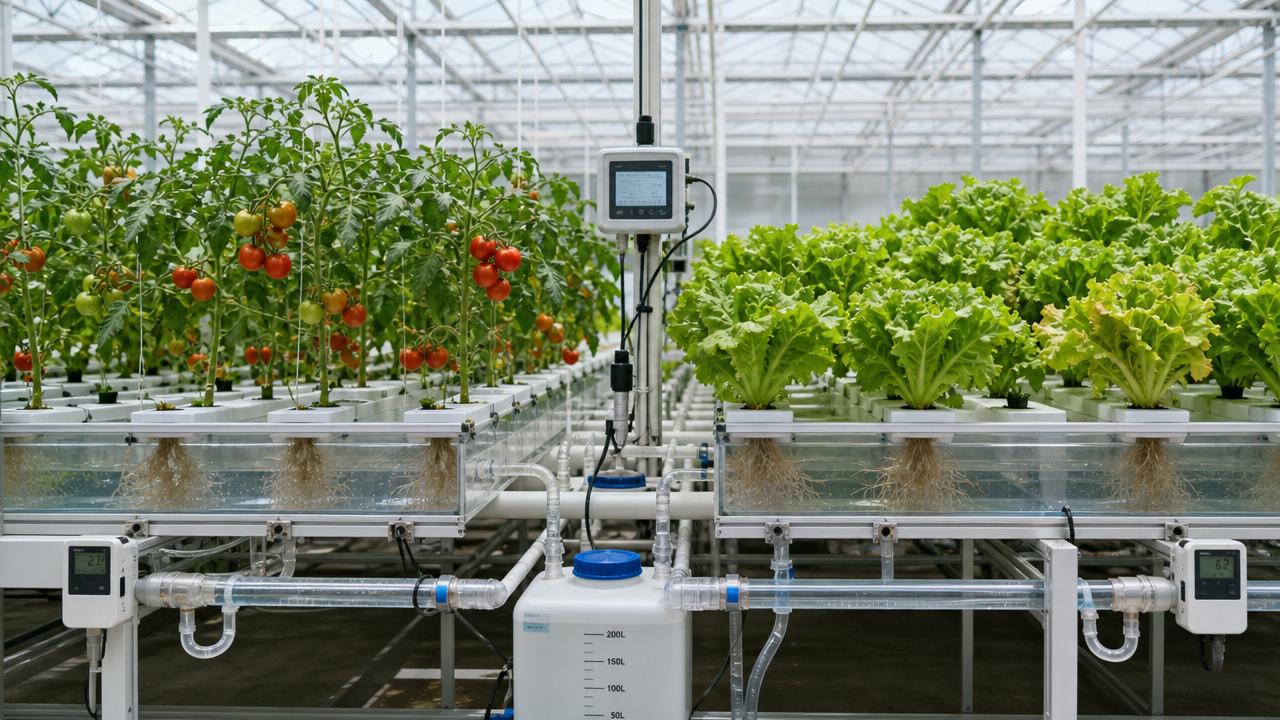
Hydroponic systems can decline much faster than soil-based production when fertigation loses balance. In controlled environment agriculture, small nutrient errors often escalate into visible crop stress within hours.
That speed changes how modern operations approach quality, safety, and continuity. For facilities seeking stable output, hydroponic systems require tighter observation, faster correction, and more disciplined data control.
As CEA expands across food production, hydroponic systems are moving from experimental infrastructure to yield-critical assets. Their failure patterns now matter not only to growers, but also to equipment, compliance, and operational planning.
Hydroponic systems are becoming more sensitive as CEA scales up
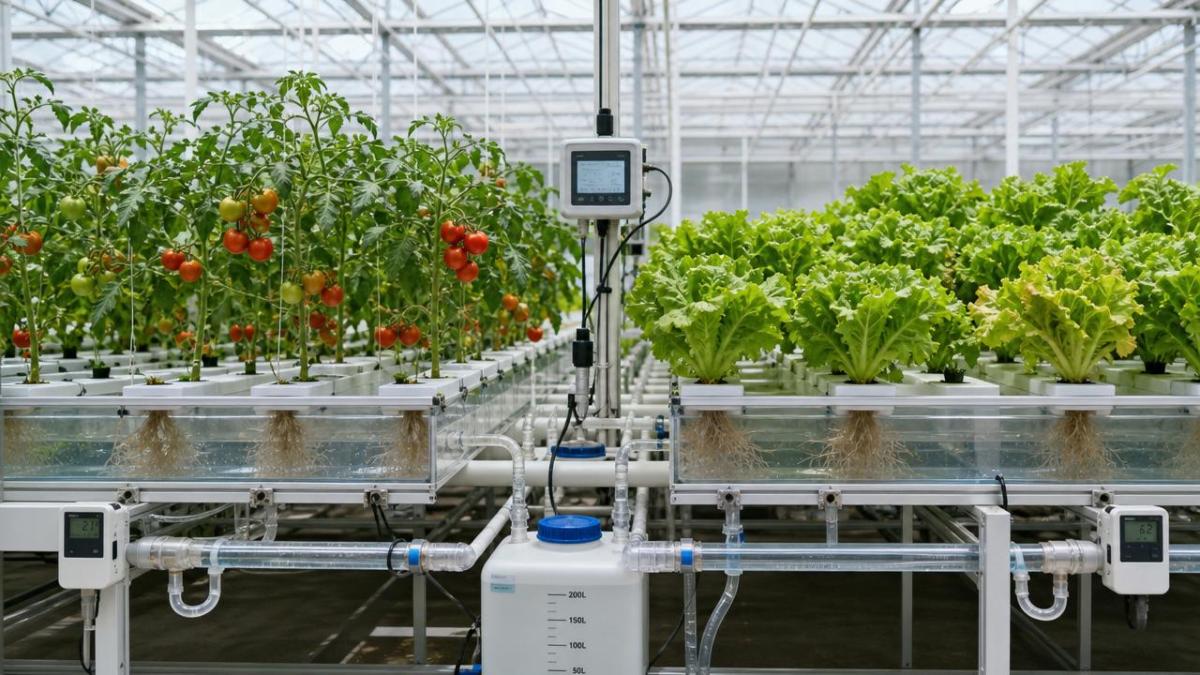
The current trend is clear: hydroponic systems are being pushed toward higher density, faster crop cycles, and stronger uniformity targets. That raises the cost of every imbalance event.
In traditional fields, soil can buffer some nutritional drift. In hydroponic systems, the root zone depends almost entirely on solution composition, oxygen, circulation, and dosing accuracy.
This means a minor deviation in EC, pH, calcium, potassium, or micronutrients can quickly affect uptake patterns. Once root stress begins, crop quality and system hygiene often deteriorate together.
Tomatoes, leafy greens, strawberries, herbs, and propagation lines all react differently. Yet across crop types, the same lesson holds: hydroponic systems fail fast when fertigation is unbalanced.
The strongest trend signals point to tighter tolerance and shorter response windows
Several signals show why hydroponic systems now need more precise management than before. Higher automation has improved efficiency, but it has also reduced tolerance for unnoticed dosing mistakes.
- Recirculating systems amplify mistakes because the same imbalance returns repeatedly to the root zone.
- Dense planting increases competition for oxygen and nutrients during short correction windows.
- Climate control keeps growth rates high, so plants express deficiency or toxicity faster.
- Retail quality standards punish subtle defects in color, texture, shelf life, and uniformity.
- Water reuse strategies make sensor accuracy and sanitation more important.
- Labor shortages increase dependence on automated alerts instead of constant manual inspection.
These shifts are not temporary. They reflect a wider move toward data-driven greenhouse production, where hydroponic systems are expected to deliver both biological precision and industrial consistency.
Why fertigation imbalance causes hydroponic systems to fail so quickly
The speed of failure comes from direct exposure. Roots in hydroponic systems interact with the nutrient solution continuously, without the buffering complexity found in soil or substrate-heavy systems.
Key failure drivers inside the root environment
In hydroponic systems, these variables interact. A pH issue may hide behind a calcium symptom. A blocked injector may appear as disease. That is why misdiagnosis is common and expensive.
The compounding effect in recirculating operations
Recirculating hydroponic systems are efficient, but they can spread imbalance across the entire facility. One dosing error, one sensor drift, or one contaminated tank can affect many zones rapidly.
As crops absorb nutrients selectively, the remaining solution becomes chemically different over time. Without frequent verification, the system may appear stable while the root environment is moving off target.
The impact reaches crop quality, food safety, maintenance, and business continuity
The consequences of failing hydroponic systems are broader than yield loss. They affect visual quality, microbial risk, labor planning, equipment wear, and reliability of delivery commitments.
- Leafy greens may lose texture, color, and shelf life.
- Vine crops may show blossom-end rot, cracking, or inconsistent sizing.
- Root stress can increase vulnerability to opportunistic pathogens.
- Frequent corrective flushing raises water, fertilizer, and labor costs.
- Pumps, injectors, and filters face more strain under unstable operating conditions.
For integrated smart agriculture platforms, this also changes equipment value perception. Hardware is no longer judged only by horsepower or throughput, but by how reliably it supports precise biological outcomes.
That aligns with the broader direction of SAMS-covered agriculture: systems thinking now links climate control, sensor integrity, dosing logic, and operational intelligence into one performance chain.
The next competitive edge lies in early warning, not late correction
A major industry shift is underway. Better operations are moving from reactive fertigation correction toward predictive monitoring for hydroponic systems.
What deserves close attention now
- Continuous pH and EC verification at more than one point in the loop.
- Dissolved oxygen and water temperature tracking near active root zones.
- Injector calibration records and concentrate tank consistency checks.
- Drain analysis to compare delivered nutrients with actual plant uptake.
- Zone-based alerts instead of facility-wide averages that hide local problems.
- Linking nutrient data with climate, irrigation timing, and crop stage.
This approach improves decision quality. Hydroponic systems generate usable warning signals before visible crop symptoms appear, but only if data points are accurate, frequent, and interpreted together.
Practical response strategies should match the new risk profile of hydroponic systems
Because hydroponic systems fail quickly, response plans must be simple, repeatable, and fast. Long investigations after symptoms appear usually mean the operation is already behind.
These actions are increasingly relevant as greenhouse operations become larger and more automated. Precision is no longer a premium feature. In hydroponic systems, it is a resilience requirement.
A smarter next step is to treat hydroponic systems as critical infrastructure
The strongest takeaway is straightforward: hydroponic systems should be managed with the same seriousness as any mission-critical industrial process. Fertigation balance is not a minor agronomy detail.
It is the center of crop performance, sanitation stability, and operational predictability. When balance slips, the timeline for damage is short and the recovery cost is often high.
For organizations tracking the future of CEA, the next step is to map failure points, tighten monitoring intervals, and connect nutrient control with broader greenhouse intelligence. Stronger hydroponic systems begin with faster visibility.
Related Intelligence