
What does farming software and online data cost to maintain?
For finance approvers, the cost of farming software and online data goes far beyond a visible subscription fee. A digital farm platform may appear on a budget as a modest annual line item, yet its real maintenance cost can include connectivity, cloud storage, cybersecurity, equipment integration, user support, data governance, and periodic system upgrades.
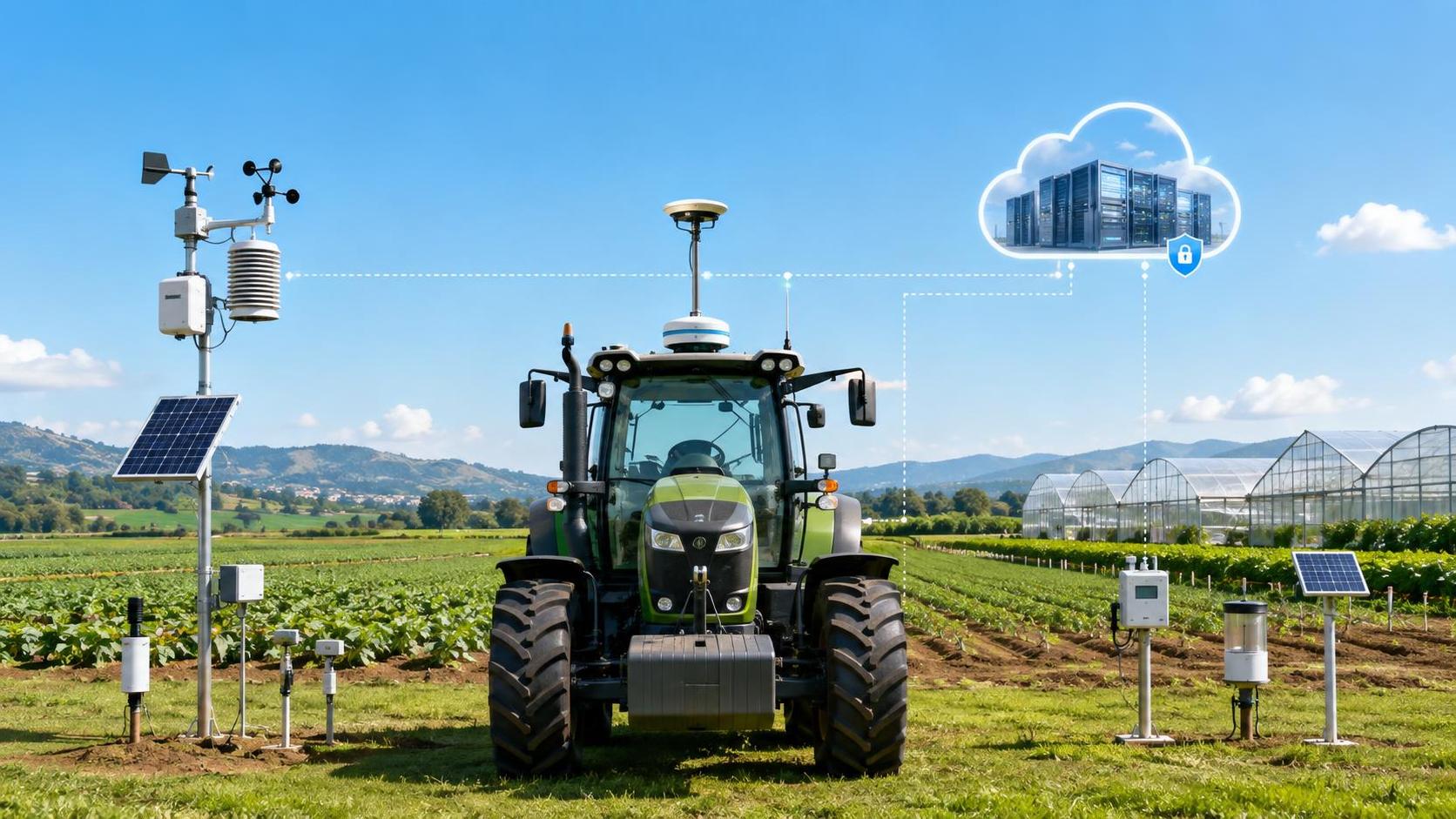
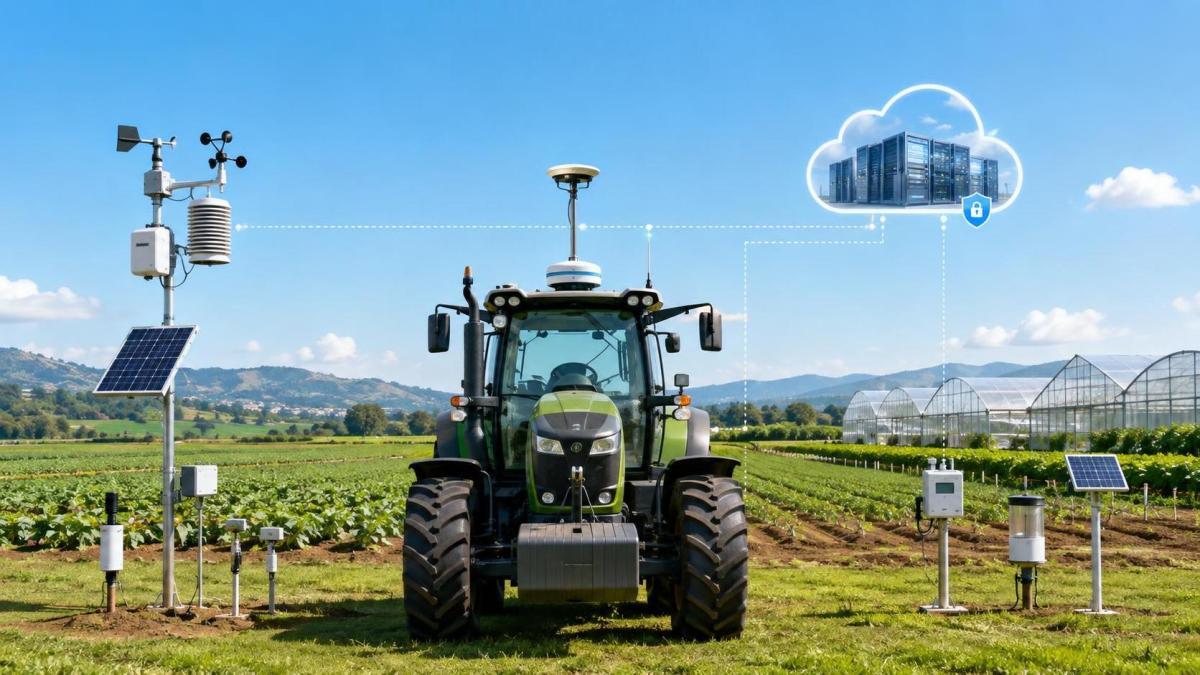
This matters because modern farms increasingly depend on connected systems: RTK guidance on high-horsepower tractors, yield maps from combines, variable-rate prescriptions, drone imagery, irrigation dashboards, greenhouse climate controls, livestock monitoring, and online procurement records. Each system can create operational value, but each also introduces recurring commitments that should be assessed before approval—not after a farm is already dependent on the platform.
The practical question is not simply, “What does the software cost?” It is: what will it cost to keep the farming software and online data usable, secure, connected, and trusted over its full operating life?
Start with the cost that appears on the quote
Most farming software is priced as a recurring license, typically by farm, user, machine, acreage, module, sensor, or data volume. A basic recordkeeping or fleet-monitoring package may have a straightforward annual charge. The price becomes more layered when a farm adds precision agriculture functions such as machine telematics, satellite imagery, prescription map creation, input traceability, irrigation scheduling, greenhouse climate analytics, or livestock performance monitoring.
Finance teams should ask whether the quoted fee covers every operating entity and production location. A multi-site farm group may discover that individual fields, greenhouses, ranches, equipment fleets, or users require separate licenses. The same issue arises with seasonal labor: a platform may be affordable for a small management team but become more expensive when agronomists, operators, contractors, and advisers need access during planting or harvest.
License review should also identify which capabilities are included today and which are sold as add-ons. Common extras include API access, advanced reporting, long-term data retention, map layers, mobile access, weather feeds, satellite or drone image processing, and premium technical support. These additions are not necessarily unnecessary; they should simply be treated as part of the total cost of ownership rather than as unexpected “optional” spend.
Online data is rarely free once it becomes operationally important
Online data can be one of the most valuable elements of a digital farming system. Weather information, soil data, field boundaries, machinery data, crop imagery, market information, animal records, and compliance documentation can improve day-to-day decisions. But reliable data has an acquisition, transmission, storage, validation, or licensing cost somewhere in the chain.
For example, a farm using RTK auto-steering may need a correction signal subscription or access to a local base-station network. A drone program may require image-processing software, cloud storage, mapping tools, and qualified interpretation of multispectral or NDVI results. A greenhouse operator may subscribe to remote sensor monitoring and climate-control analytics while also maintaining internet connectivity robust enough to keep alarms, fertigation controls, and environmental data available.
There is also a difference between collecting data and producing a decision-ready result. Combine yield data may be available from the machine, but it can require calibration, cleaning, georeferencing, mapping, and agronomic interpretation before it supports variable-rate seeding or fertilizer decisions. The cost of turning raw data into usable insight is often underestimated during procurement.
A finance view of recurring maintenance costs
When reviewing farming software and online data, it helps to separate predictable annual charges from costs that vary with expansion, usage, or technical change. The following categories are a practical framework for approval discussions.
A useful discipline is to build a three- to five-year operating view rather than approving only the first-year invoice. Machinery may remain in service for much longer, but software contracts, connectivity plans, and online data services are usually renewed more frequently. The farm should understand what happens financially if acreage grows, another production site is added, a dealer changes, or a preferred machinery brand is replaced.
Integration is where low-cost software can become expensive
A standalone app can be inexpensive. A connected farm system is different. The moment a platform must exchange information with tractor displays, combine monitors, drone software, irrigation controls, herd-management tools, accounting systems, or procurement workflows, implementation becomes a real cost category.
Integration may involve machine-specific connectors, APIs, data conversion, field-boundary cleanup, user permissions, test runs, and external technical support. Older equipment can create additional complexity. A mixed fleet of tractors, planters, sprayers, and harvesters may use different file formats and proprietary portals, making a “single dashboard” more difficult than it looks in a product demonstration.
Finance approvers should distinguish between a supplier’s promise of compatibility and a documented integration scope. Ask which data will move automatically, which files must still be transferred manually, how often synchronization occurs, and whether the connection will continue after software or machine firmware updates. A platform that requires frequent manual intervention can consume management time and reduce the value of the original investment.
The hidden operating cost: people
Digital tools do not maintain themselves. Someone has to manage user accounts, confirm machine assignments, check data quality, investigate missing records, maintain field boundaries, approve prescriptions, review alerts, and train new employees. On a large farm, this may become part of a precision agriculture manager’s role. On a smaller operation, the responsibility often lands with an already busy owner, farm manager, agronomist, or equipment coordinator.
Training is not a one-time event. Operators may change each season. A new planter, harvester, climate controller, or feeding robot can introduce a new workflow. Farm staff also need to know what to do when connectivity drops during a time-sensitive task, such as spraying ahead of weather, harvesting in a narrow window, or responding to a greenhouse alarm overnight.
The approval case should therefore include an adoption plan. If the software is intended to reduce labor, specify whose labor is reduced and what work will no longer be required. If it creates additional data-entry work, decide whether that work is justified by compliance, traceability, input savings, or better management decisions. “Available data” is not the same as “used data.”
Cybersecurity and data ownership deserve a budget line
Farm operations have become more exposed as machinery, sensors, cameras, mobile devices, remote access tools, and cloud platforms become connected. A cyber incident can affect more than office records. It may disrupt dispatching, inventory visibility, irrigation schedules, animal monitoring, or access to machine data during critical field operations.
Not every farm requires an enterprise-scale security program, but every connected operation needs basic controls. These commonly include strong passwords or multi-factor authentication, role-based access, removal of former employees’ accounts, device updates, backups, and a clear process for responding to suspicious activity. If a managed provider handles these tasks, its fees belong in the maintenance budget.
Data ownership should be reviewed with equal care. Before signing, clarify who owns raw machine and farm data, whether the provider can use aggregated data, how records can be exported, how long they remain available after termination, and whether export or migration fees apply. A low annual subscription can become costly if the farm is unable to retrieve years of field history, operational records, or production data when changing vendors.
How to judge whether the cost is justified
The strongest approval cases do not rely on vague promises of “digital transformation.” They connect a recurring cost to measurable operational outcomes. Depending on the system, those outcomes may include reduced overlap in planting or spraying, better fuel management, lower fertilizer or chemical use, fewer irrigation losses, less downtime, improved harvest coordination, more accurate livestock records, or stronger traceability for buyers and regulators.
For a precision agriculture platform, the relevant measure may be cost per acre managed, combined with changes in input efficiency and operator time. For a greenhouse system, it may be cost per production zone or per kilogram of marketable output, measured against water, energy, labor, and crop-loss exposure. For livestock automation, labor hours, feed consistency, animal health events, and production records may be more meaningful than software logins.
Do not assume every benefit will appear in the first season. Some value comes from building clean historical records that support future decisions. However, the farm should still establish a review date and a limited set of performance indicators before deployment. If no manager owns those indicators, the software can become a recurring expense with no accountable return.
Questions to put in front of the vendor before approval
- What is the full recurring cost of the farming software and online data services after the first contract year?
- Which features, users, machines, acres, storage volumes, or support levels generate additional charges?
- What connectivity, RTK correction, cloud storage, or third-party data subscriptions are required?
- Which integrations are included, and which require separate implementation work or ongoing API fees?
- Can the farm export its data in a practical, usable format without paying a penalty?
- Who is responsible for data backup, security controls, incident notification, and account administration?
- What training is included, and what support is available during planting, harvest, or other high-risk periods?
- What changes when the farm adds land, machines, sites, contractors, or new production systems?
Approve the operating model, not just the software
For many farms, digital systems are becoming as essential as machinery maintenance, fuel planning, or agronomic services. The goal is not to avoid recurring software costs. It is to make those costs visible, controllable, and proportionate to the value created.
A sound procurement decision considers licenses, online data, integration, support, connectivity, cybersecurity, and internal labor as one operating model. When finance approvers ask the right questions early, they can protect the farm from surprise renewals and fragmented systems while still supporting technology that improves accuracy, resilience, and decision-making across the operation.
Related Intelligence