
How should farms evaluate software in agriculture before rollout?
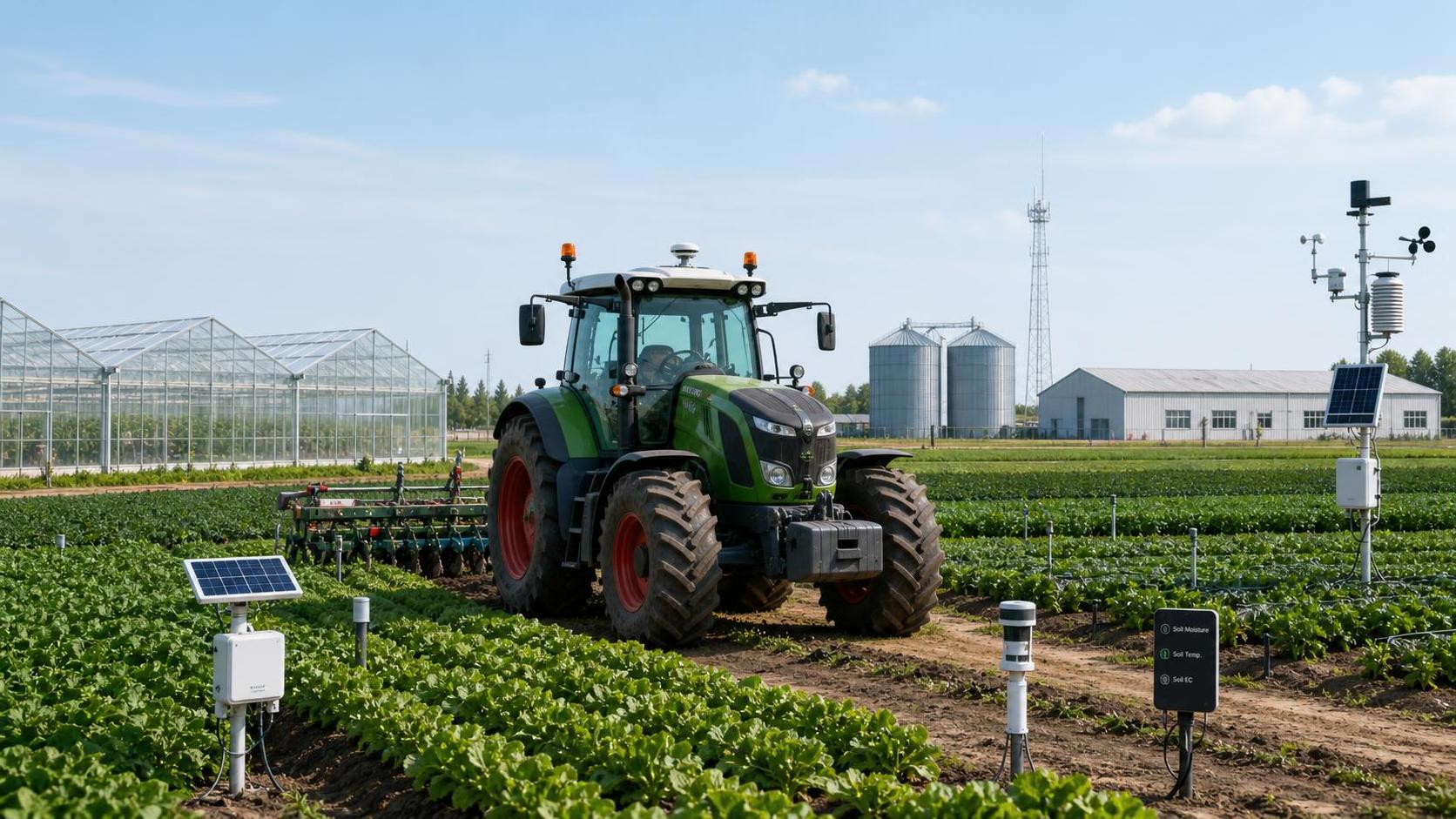
A farm should not approve software because it offers dashboards, maps, alerts, or an impressive list of integrations. The decision should rest on a narrower question: can the system improve a defined operating decision with data that is available, trustworthy, and usable in the conditions where work is actually performed?
That distinction matters because software in agriculture sits between biological processes, machinery, field conditions, labor routines, and financial controls. A platform may perform well in a vendor demonstration yet fail to deliver value if machine data cannot be normalized, connectivity disappears in remote blocks, irrigation records are entered inconsistently, or field teams must duplicate work in several applications. Before rollout, farms need to evaluate not only software capability but also the operating system around it.
Start with the decision the software must improve
A software evaluation becomes unfocused when requirements begin with features. “Need a farm management platform” or “need a digital dashboard” does not define a usable project. The starting point should be a decision that is currently slow, unreliable, expensive, or difficult to audit.
In arable operations, that decision may involve identifying which fields received a specific fertilizer rate, comparing planned and actual fieldwork, allocating machine hours, or validating yield differences across management zones. In greenhouse production, it may concern whether climate, irrigation, drainage, EC, pH, and crop observations can be reviewed together before adjusting a fertigation recipe. In livestock systems, it may be the ability to identify feeding deviations, reproduction events, animal treatment records, or equipment alarms early enough to act.
A useful requirement statement identifies four elements:
- the operational decision to be improved;
- the data needed to make that decision;
- the person or workflow that must act on the output; and
- the measurable consequence of a better decision.
For example, “capture field activity” is not sufficiently specific. “Verify completed spray records by field, product, rate, operator, machine, and weather-related operating constraints before compliance records are finalized” is specific enough to test. It reveals the required data fields, the need for offline entry, the connection to machinery or task records, and the consequences of missing or late data.
Software that supports a critical decision imperfectly may create more operational risk than a simpler system that supports it reliably. This is especially true where activity records affect traceability, input reconciliation, payroll, contractor management, food-chain requirements, or maintenance planning.
Map the real workflow before assessing the interface
Farm workflows are rarely contained inside one application. A crop activity may start as a work order, be executed through a tractor terminal or operator tablet, depend on product inventory, produce machine telemetry, and later be reconciled against invoices and field records. A greenhouse event may involve sensors, a climate computer, a dosing unit, manual crop inspection, and a packing forecast. If the evaluation considers only the central platform, integration gaps will appear after procurement rather than before it.
Document the workflow as it currently occurs, including spreadsheets, paper logs, WhatsApp messages, USB data transfer, third-party agronomy portals, machine displays, and manual exports. These informal tools are not merely inefficiencies; they often reveal functions that formal systems do not yet cover.
The aim is not to digitize every existing practice. Some workarounds should be removed. But a proposed future workflow must specify where data originates, who validates it, what happens when connectivity is unavailable, and how exceptions are handled. A field operator who cannot close a task because a machine identifier is missing will either abandon the process or invent data just to complete it. Both outcomes damage the dataset.
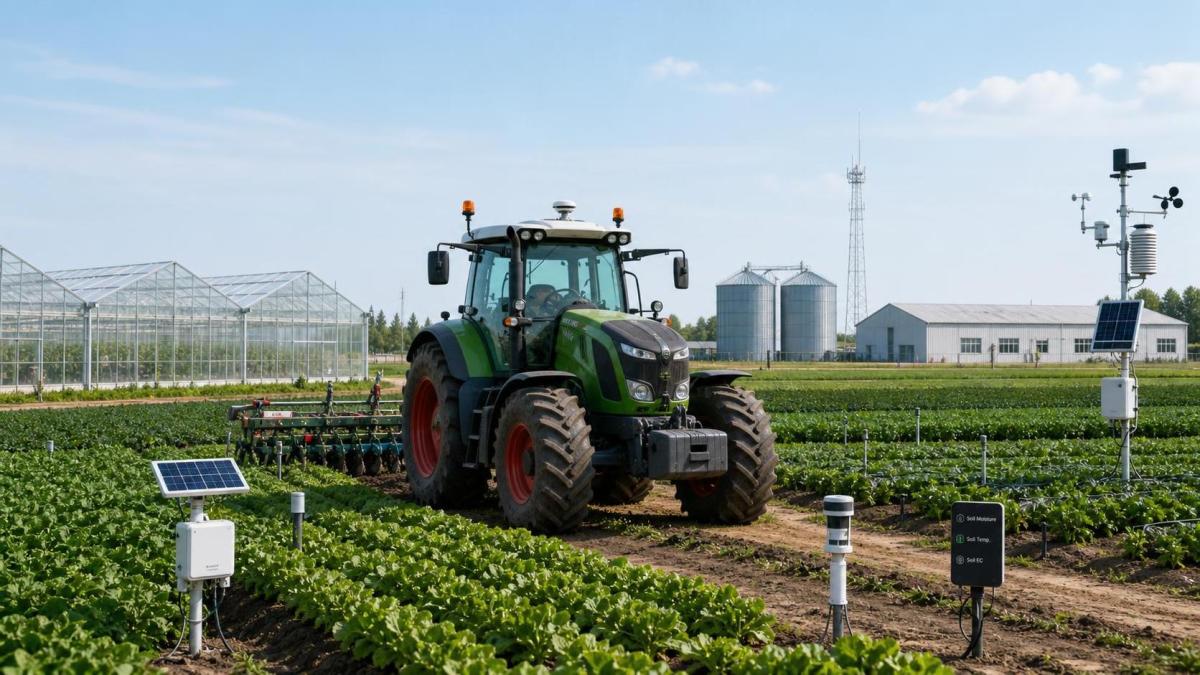
During evaluation, ask suppliers to demonstrate the complete workflow using representative farm scenarios rather than isolated screens. A demonstration should include task creation, execution, delayed synchronization, correction of an error, approval, reporting, and export. It should also show what happens when a required source system is offline or sends incomplete information. The exception path is often more important than the ideal path.
Test integration at the data level, not at the logo level
“Integrates with” is one of the least precise claims in agricultural software procurement. It may mean a one-way import, a manual CSV upload, a scheduled data exchange, a live API connection, or compatibility limited to selected machine models and software versions. These arrangements have very different implementation costs and operational consequences.
Integration with tractors, combines, sprayers, balers, drones, irrigation controllers, greenhouse computers, livestock sensors, and accounting tools should be tested against the farm’s actual installed base. High-horsepower equipment may generate detailed telematics and task data, while older machines may provide only location or engine-hour information, or none at all. A platform cannot create missing source data through better visualization.
Key questions include:
- Which data objects are exchanged: field boundaries, guidance lines, prescriptions, machine location, task status, fuel use, yield maps, inventory, alarms, or maintenance events?
- Is the exchange one-way or two-way, and which system is the authoritative source when records conflict?
- How quickly does data arrive, and is that timing suitable for the intended decision?
- Can data be corrected without breaking the audit trail or causing duplicate records?
- Are APIs documented, accessible under the proposed commercial agreement, and stable enough for long-term operation?
- What additional gateways, subscriptions, SIM plans, cloud accounts, or third-party services are required?
Data ownership should be explicit. Machinery manufacturers, telematics providers, agronomy platforms, and farm software vendors may each hold parts of the operational record. A farm should confirm who can access raw and processed data, whether it can be exported in usable formats, how long it remains available, and what happens when a subscription ends. A platform that is easy to enter but difficult to leave creates a long-term procurement risk.
Data quality determines whether analytics can be trusted
A sophisticated analytics module has little value if field boundaries overlap, crop names are inconsistent, application units vary between records, machine clocks are wrong, or sensor data lacks calibration history. Many rollout problems are data-governance problems presented as software problems.
Before implementation, establish the minimum master data needed for the chosen use case. This may include farm and field identifiers, boundary rules, crop and variety naming conventions, input product lists, equipment IDs, operator or contractor identifiers, storage locations, animal groups, greenhouse zones, and sensor locations. The required level of detail should match the decisions being made. Overly detailed master data burdens users; insufficient detail prevents analysis.
Spatial data deserves particular scrutiny. Field and block boundaries may differ across machine guidance systems, agronomic records, land tenure documents, and satellite imagery. A small boundary discrepancy can distort per-hectare calculations, applied-rate comparisons, and yield analysis. For precision workflows, assess coordinate reference systems, RTK correction dependencies, treatment of headlands, overlapping passes, and how the software handles area adjustments after a boundary changes.
Sensor-based systems require another level of discipline. A greenhouse climate reading, soil moisture probe, weather station, livestock scale, or tank level sensor is only useful when its location, maintenance status, calibration approach, and communication reliability are known. The software should distinguish a genuine operational condition from a stale data point, failed sensor, or transmission gap. A flat line on a dashboard can look reassuring while actually indicating a disconnected device.
Separate scalable architecture from scalable promises
Software may be selected for a pilot block, one dairy unit, or one greenhouse site, then expected to support multiple farms, crops, enterprises, languages, contractors, and reporting structures. Expansion should be assessed before configuration begins, because early data models and user permissions can be difficult to redesign later.
Scalability is not simply the ability to add users. It includes whether the platform can preserve clear boundaries between sites while enabling consolidated reporting; support different production calendars; manage shared machinery; accommodate tenant, owned, and contract-managed land; and apply permissions that reflect actual accountability. A food production group may require group-level visibility but must avoid allowing one site to edit another site’s operational records.
Configuration also needs limits. Flexible forms and custom fields can be useful, but a system that requires extensive custom development for ordinary agricultural workflows is likely to be difficult to maintain. Ask which capabilities are native, which are configuration options, which rely on implementation partners, and which would require bespoke code. The distinction affects schedule, testing effort, upgrade risk, and budget control.
Evaluate usability in field conditions, not office conditions
Adoption is often described as a training issue. In practice, it is usually a workflow design issue. If an operator has to enter the same activity in a machine terminal, a mobile app, and a paper record, resistance is rational. If a greenhouse manager must navigate multiple screens to acknowledge an alarm during a critical irrigation event, the system is not supporting the work.
Usability testing should therefore be conducted with representative tasks and actual devices: rugged tablets, phones, office computers, machine displays, or control-room screens. Test use with gloves, variable light, poor cellular coverage, limited time, and operators who are not familiar with the supplier’s terminology. Check whether the application works offline, how conflicts are handled after synchronization, and whether the mobile workflow requires repeated password entry.
Language, units, and local operating conventions should also be checked. A platform can be technically capable but create errors if it does not clearly distinguish hectares from acres, litres from gallons, active ingredient from product volume, or local date formats. For cross-border groups and contractors, these details are operational controls rather than cosmetic preferences.
Cybersecurity and resilience belong in the farm-risk assessment
As farm operations connect machinery, cameras, controllers, sensor networks, and cloud platforms, software selection becomes part of operational resilience. The risk is not limited to confidential production data. An unavailable platform during planting, harvesting, irrigation scheduling, climate control, or feeding operations can disrupt work even without a data breach.
Evaluate identity and access management: role-based permissions, multi-factor authentication options, account provisioning, removal of former staff or contractors, and logging of significant changes. Confirm where data is hosted, how backups are managed, how often recovery procedures are tested, and what service commitments apply if the platform becomes unavailable.
For systems that connect to operational technology, the boundary between monitoring and control must be clear. A dashboard that reads irrigation data is different from a platform that can remotely alter pump schedules or dosing settings. Remote-control functions require stricter authorization, change records, fail-safe behavior, and local override procedures. Convenience should not obscure the consequences of an erroneous command.
Build the business case around controllable measures
Farm software ROI is frequently overstated because the calculation assigns broad yield or labor gains to a platform without isolating its contribution. A more defensible case links value to specific operating changes that the system can influence.
Potential value may come from reducing duplicate data entry, avoiding missed field activities, improving input reconciliation, shortening time spent compiling reports, limiting unplanned equipment downtime through better maintenance records, or identifying irrigation and climate deviations earlier. The relevant measure depends on the use case. A machinery management platform should not be justified using the same indicators as a greenhouse climate data platform or livestock health system.
Costs should include more than licensing. Budget for data cleanup, device upgrades, connectivity, integration work, migration, configuration, training, internal testing, support during peak seasons, and recurring fees for telemetry or external data services. The implementation effort may be modest for a standalone recordkeeping tool and substantially greater where multiple equipment brands, IoT networks, ERP systems, or controlled-environment controls are involved.
A staged rollout offers a better basis for approval than a broad deployment based on assumptions. Select a bounded operating area with a meaningful workflow, define baseline measures, set acceptance criteria, and establish a clear decision point before expansion. The pilot should be large enough to expose integration, data-quality, and adoption problems; a demonstration dataset controlled by the supplier is not a substitute.
Supplier capability is part of the technical solution
A platform’s reliability depends partly on the supplier’s ability to implement, support, and evolve it. Review support coverage during local operating hours, escalation procedures, training materials, release management, and the availability of implementation partners with relevant agricultural and technical knowledge. A supplier should be able to explain not only what the software does, but how data migration, interface testing, user acceptance, and go-live support are managed.
Contract terms should address service levels, data export, integration responsibilities, change requests, price treatment for additional sites or users, and termination support. Where a supplier relies on external machine-data providers or cloud infrastructure, clarify which party owns each support obligation. A farm should not discover during a harvest-time issue that one vendor blames another for an unavailable data feed.
The strongest rollout decision is rarely the platform with the longest feature list. It is the one that supports a clearly defined operational decision, fits the farm’s machinery and data environment, remains usable under field conditions, and can be expanded without making the operating model more fragile. Software in agriculture delivers value when it becomes dependable infrastructure for work—not another place where information is stored but cannot be acted upon.
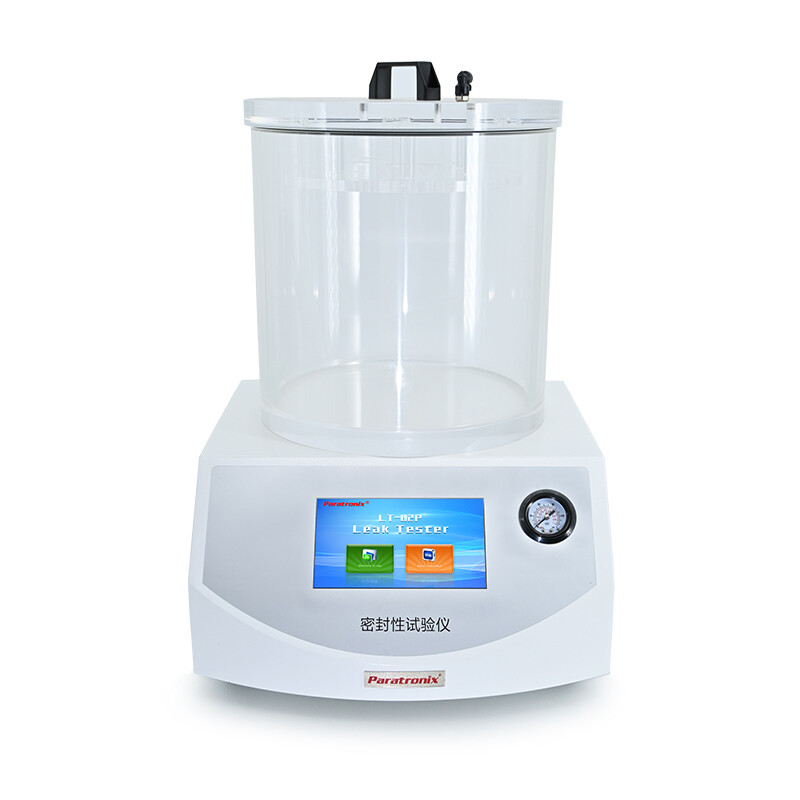
 Probador de Fugas LT-02PEl Probador de Fugas LT-02P puede utilizarse para pruebas de fugas de envases flexibles en las industrias alimentaria, farmacéutica, de productos químicos de uso diario, electrónica y otras. Mediante las pruebas, el proceso y el rendimiento del sellado pueden compararse y evaluarse eficazmente, proporcionando una base científica para determinar las especificaciones técnicas pertinentes. El Probador de Fugas LT-02P también puede utilizarse para pruebas de rendimiento del sellado después de pruebas de caída y compresión.
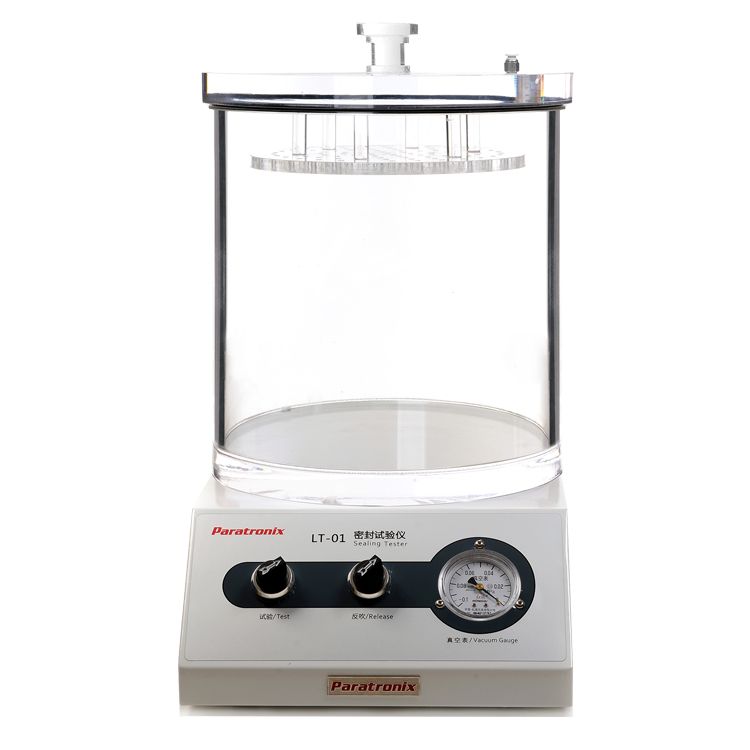
 Comprobador de fugas LT-01El comprobador de fugas LT-01 se puede utilizar para realizar pruebas de sellado de envases blandos en las industrias alimentaria, farmacéutica, química diaria, electrónica y otras. Mediante las pruebas, se puede comparar y evaluar eficazmente el proceso de sellado y el rendimiento, lo que proporciona una base científica para determinar las especificaciones técnicas pertinentes. El comprobador de fugas LT-01 también se puede utilizar para realizar pruebas de rendimiento de sellado después de realizar pruebas de caída y compresión.
Related Intelligence