
Zhengzhou Expo Opens Greenhouse Procurement Hub
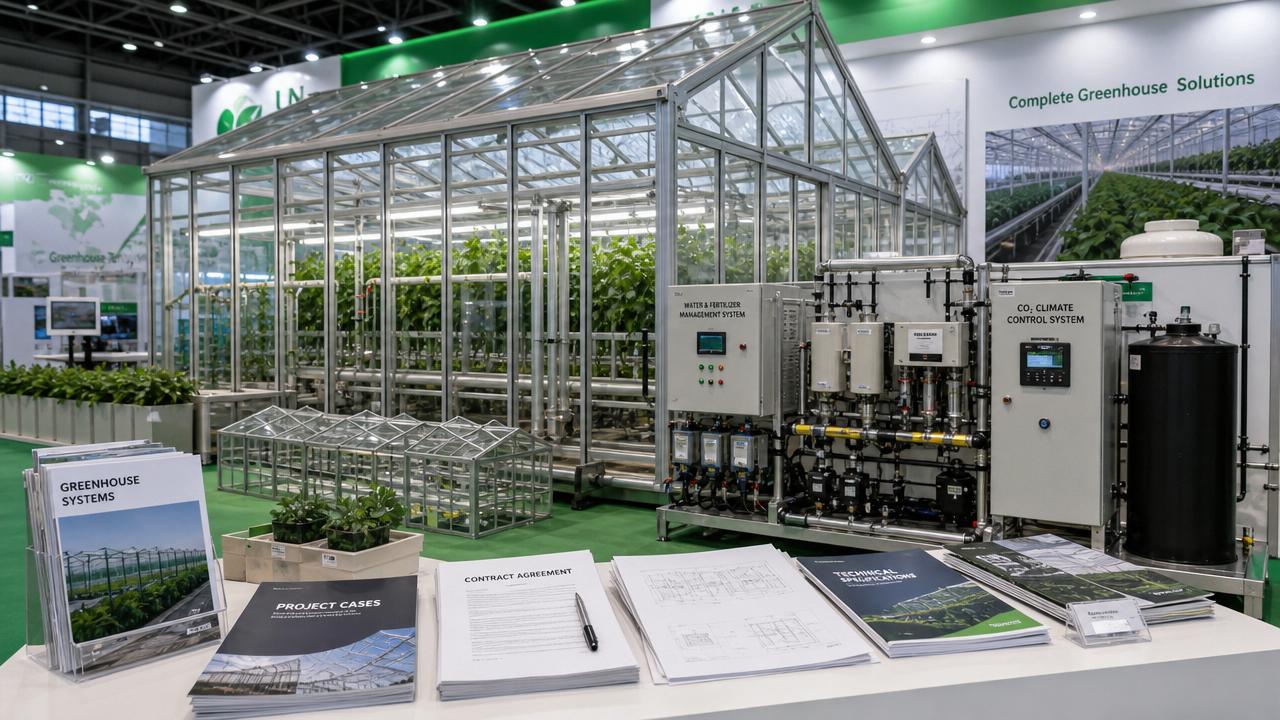
On June 28, 2026, the 10th NEW-E Agricultural Machinery and Parts Exhibition opens in Zhengzhou with a new feature that deserves close attention from greenhouse engineering firms, overseas buyers, project contractors, and agricultural equipment suppliers: a dedicated international matchmaking area for Venlo glass greenhouses, hydroponic fertigation systems, and CO₂ climate control modules. For the industry, the significance is not only the added exhibition zone itself, but also the clearer move toward export-oriented procurement, technical standard communication, and contract coordination in cross-border greenhouse projects.
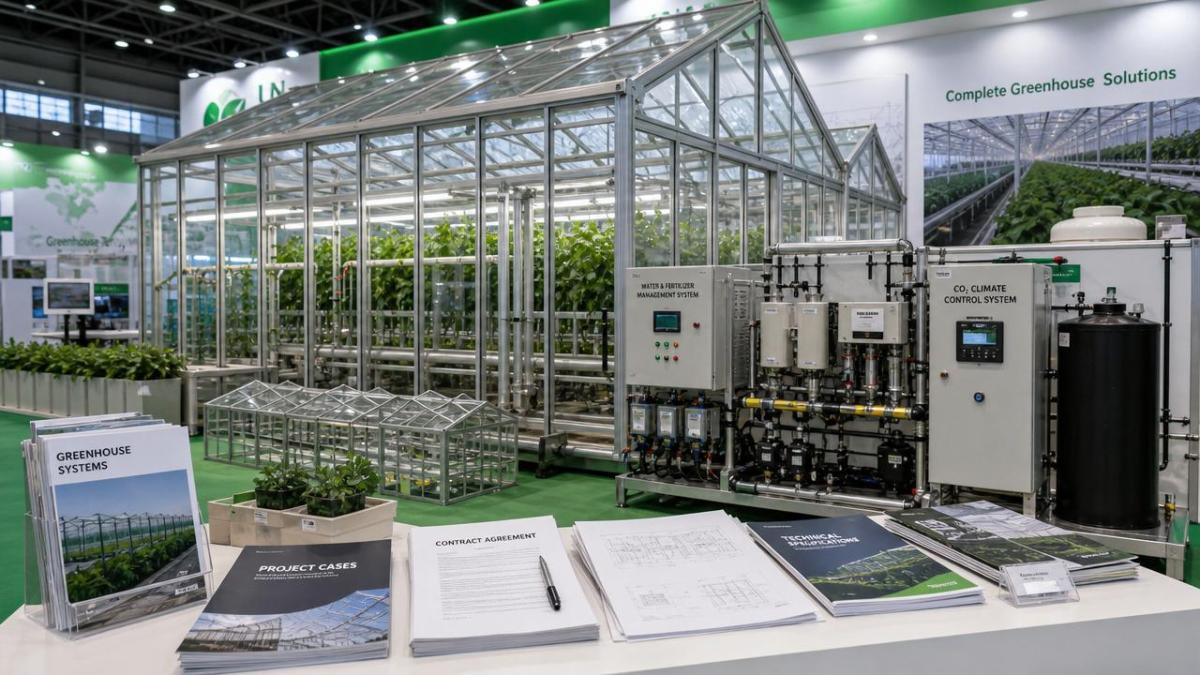
A New Procurement Focus at the Zhengzhou Show
The exhibition is scheduled for June 28–30, 2026 in Zhengzhou. According to the event information provided, this edition will for the first time introduce the “Global Greenhouse Procurement Hub,” a dedicated sourcing and matchmaking area designed for importers from the Middle East, Central Asia, and Southeast Asia.
The procurement area is centered on three product and system categories: Venlo glass greenhouses, Hydroponic Fertigation systems, and CO₂ climate control modules. The organizer has also confirmed the participation of 17 leading Chinese greenhouse engineering companies, including three companies with EN 13031-1 certification.
In addition, the organizer will provide an English-language EPC contract template and explanatory materials on FIDIC-compatible clauses. These are the confirmed elements disclosed in the event summary.
Where the Immediate Industry Impact May Appear
For greenhouse engineering suppliers, the conversation moves beyond product display
Analysis shows that the dedicated procurement zone may affect suppliers most directly because it narrows buyer attention to specific greenhouse structures and integrated systems rather than general exhibition exposure. The practical impact is likely to be felt in how suppliers present engineering capability, certification status, contract readiness, and export communication materials.
What deserves closer attention is whether suppliers can align technical documentation and commercial terms with the expectations of buyers from the targeted regions, especially when procurement discussions involve complete project delivery rather than standalone equipment sales.
For overseas buyers, comparability and execution terms become more visible
From an industry perspective, importers from the Middle East, Central Asia, and Southeast Asia may see a more concentrated comparison environment because the matchmaking area is tailored to their sourcing needs. The likely effect is not only easier product screening, but also earlier review of engineering standards, contract language, and delivery responsibilities.
The provision of an English EPC template and FIDIC-compatible clause notes is especially relevant here, as it may reduce friction in the early stage of project discussion. Even so, buyers still need to distinguish between exhibition-side facilitation and actual project execution capacity.
For service and supply-chain participants, pre-contract coordination may gain weight
Observably, the event may also matter for service providers involved in documentation, coordination, and delivery support. The reason is that once procurement talks shift toward integrated greenhouse systems, supporting functions such as technical translation, contract review, and cross-border handover preparation become more important in the commercial process.
The business impact may therefore appear earlier in the pre-contract stage than in downstream shipment volume, which remains something the market will need to observe rather than assume.
What Companies Should Track Closely Now
Certification language and technical proof points
Companies participating in or following this event should watch how EN 13031-1 certification is referenced in buyer communication. Analysis shows that certification is not simply a label in this context; it may become part of how suppliers are shortlisted, especially when procurement discussions involve structural compliance and engineering credibility.
How contract support is translated into actual deal flow
The availability of an English EPC contract template and FIDIC-compatible clause explanation is a concrete signal, but businesses should not treat it as proof of completed transaction readiness on its own. What deserves closer attention is how these materials are used in negotiation, scope definition, and responsibility allocation between suppliers and buyers.
Priority categories in integrated greenhouse procurement
The named focus on Venlo glass greenhouses, Hydroponic Fertigation systems, and CO₂ climate control modules suggests that integrated system offerings may receive stronger attention than isolated components. Companies should therefore review whether their product, engineering, and sales materials are prepared for system-level discussions rather than item-level quotations alone.
Communication readiness for targeted export markets
Because the procurement area is customized for buyers from three overseas regions, suppliers and service firms should pay attention to whether their current documentation, quotation structure, and project communication process are suitable for cross-border discussions in English. This is a practical issue tied directly to the event setup, not a general management recommendation.
Why This Matters as a Market Signal
Observably, this development is better understood as a structured market signal rather than a confirmed change in transaction outcomes. The dedicated hub, the presence of 17 Chinese greenhouse engineering firms, the inclusion of certified participants, and the provision of contract-language tools together suggest a more deliberate attempt to connect exhibition traffic with export-oriented project procurement.
At the same time, analysis shows that the current information does not confirm actual procurement volume, signed projects, or long-term order conversion. For that reason, the industry should view this as an indicator of direction: stronger emphasis on international buyer targeting, system-based greenhouse sourcing, and earlier contract standardization in cross-border discussions.
How to Read the Development at This Stage
At this stage, it is more appropriate to understand the Zhengzhou exhibition update as a near-term industry signal with possible longer-term implications, rather than as a finished market result. The event points to a more organized interface between Chinese greenhouse engineering supply and overseas procurement demand, especially in the areas of technical standards, contract communication, and integrated project presentation.
Whether that signal develops into sustained business momentum will still depend on subsequent buyer engagement, supplier execution, and follow-up project discussions. A neutral reading today is that the exhibition format is becoming more specific in how it serves international greenhouse procurement.
Basis of This Article
This article is generated based on the user-provided news title, event date, and event summary. The factual basis includes the announced June 28–30, 2026 schedule for the 10th NEW-E Agricultural Machinery and Parts Exhibition in Zhengzhou, the first-time launch of the “Global Greenhouse Procurement Hub,” the confirmed participation of 17 leading Chinese greenhouse engineering companies including three with EN 13031-1 certification, and the provision of an English EPC contract template with FIDIC-compatible clause notes.
For this type of industry update, commonly relevant source categories may include official exhibition announcements, company disclosures, industry association information, authoritative media coverage, and standard organization documents. A specific official source link was not provided in the input, so further verification is still needed. Follow-up observation should focus on any later official clarification regarding participation details, procurement arrangements, and practical outcomes after the exhibition opens.
Related Intelligence