
Robotic Farming Operations: Where Automation Pays Off First
Robotic Farming Operations: Where Automation Pays Off First
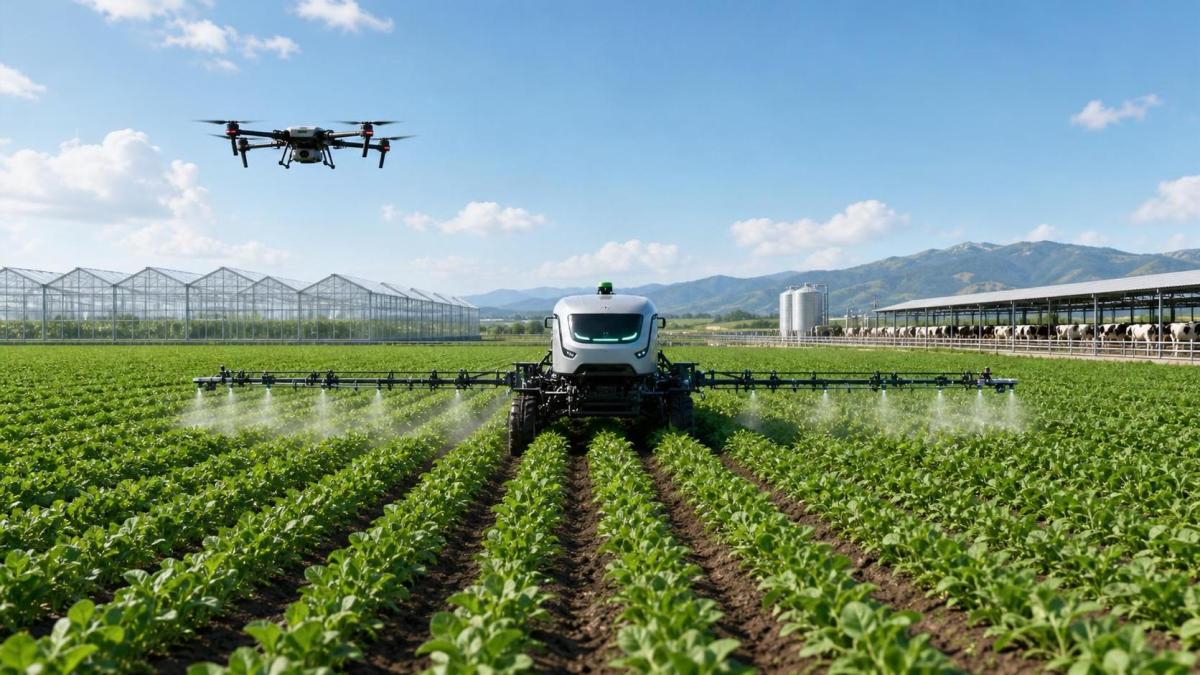
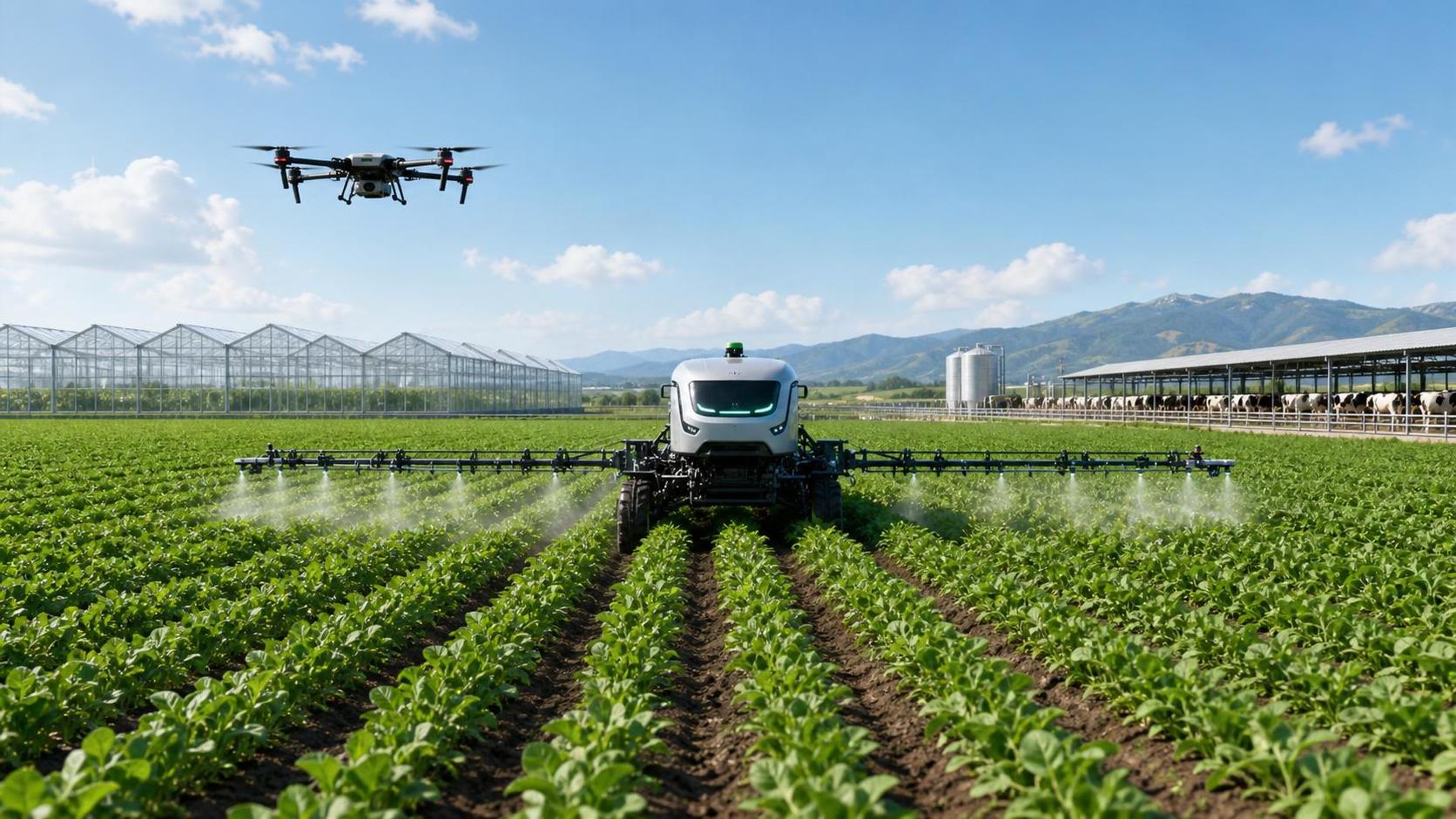
Robotic farming operations are moving from pilot projects into practical capital decisions. The shift is happening because labor is tighter, weather windows are shorter, and input costs remain volatile.
That changes the buying question. Most operations are no longer asking whether automation matters. They are asking where robotic farming operations generate payback first and with the least execution risk.
In real farm businesses, the earliest wins usually come from tasks with three traits. They are repetitive, time-sensitive, and expensive when done imprecisely.
That is why autonomous guidance, precision spraying, robotic feeding, and greenhouse climate automation often move ahead of more ambitious full-autonomy projects.
The strongest robotic farming operations strategy is usually phased. It starts with systems that protect margins quickly, then expands into wider digital control.
Why Robotic Farming Operations Pay Back Unevenly
Not every automation investment produces the same return. Robotic farming operations pay back fastest where labor substitution and operational precision happen at the same time.
Fieldwork is a clear example. Missing a planting or spraying window can reduce yield far more than the equipment payment itself.
Livestock offers another strong case. Feeding, milking, and monitoring are daily workloads, which means savings accumulate every week rather than once per season.
Greenhouses and controlled environment sites often see even earlier returns. Climate errors, water losses, and inconsistent fertigation create immediate cost leakage.
So the right evaluation model is simple. Focus first on robotic farming operations that compress labor demand, improve timing, and cut avoidable input waste.
The First Automation Tier: Guidance, Steering, and Section Control
For many crop operations, the first profitable layer of robotic farming operations is not a driverless tractor. It is RTK guidance, auto-steering, and implement control.
These systems reduce overlap, operator fatigue, missed rows, and uneven field coverage. They also create a cleaner base for future autonomy.
The business case is usually strongest in large acre operations using high-horsepower tractors, planters, seeders, or sprayers. Small accuracy gains scale quickly across many hectares.
A useful rule is this: if a machine runs long hours and overlap costs are visible, robotic farming operations at the guidance layer deserve early attention.
- Lower seed, fertilizer, and chemical overlap
- Better field accuracy during long shifts or night work
- Less training pressure on hard-to-find operators
- Faster transition into variable-rate applications
This tier may look modest compared with full autonomy. In practice, it is often the lowest-risk entry point into robotic farming operations.
Where Precision Drones Deliver Fast ROI
Precision spraying drones have become one of the clearest robotic farming operations use cases. They address labor shortages, access constraints, and treatment timing in one system.
Their value is highest where terrain is difficult, crop damage from ground equipment is costly, or narrow spray windows limit conventional application.
Drones also fit well into data-driven robotic farming operations. Multispectral imaging, NDVI maps, and prescription planning help target problem zones instead of treating entire fields equally.
That said, drone ROI depends on workflow discipline. Battery logistics, refill cycles, operator compliance, and local regulations all affect real output.
The best buying cases usually appear in these conditions:
- High-value crops where treatment precision changes margin
- Wet or uneven fields that delay wheeled sprayers
- Large operations needing rapid scouting and localized action
- Regions with chronic labor or contractor shortages
When those conditions are present, robotic farming operations using drones can generate fast savings and better crop protection consistency.
Livestock Automation Often Wins Earlier Than Field Robots
Many buyers overlook this point. Robotic farming operations in livestock often produce earlier and more measurable returns than field autonomy.
The reason is simple. Feeding, mixing, milking, and animal monitoring happen every day, which creates a steady stream of labor and performance data.
Feeding robots and TMR automation reduce labor dependence and improve ration consistency. That can support milk yield, feed conversion, and herd management stability.
Rotary milking systems, machine vision, and sensor-based monitoring extend that value. They turn robotic farming operations into a management platform, not just a labor tool.
For dairy and large livestock businesses, early ROI often comes from fewer staffing gaps, lower routine variability, and faster response to health issues.
Greenhouse and Controlled Environment Systems Pay Off Through Stability
Greenhouse automation is another area where robotic farming operations pay off early. Climate control and fertigation decisions happen continuously, not occasionally.
That makes errors expensive. Overheating, poor humidity control, and incorrect irrigation settings affect yield quality almost immediately.
Automated sensors, CO2 control, irrigation systems, and hydroponic dosing reduce these losses. They also make production more predictable for contract supply planning.
In this segment, robotic farming operations often justify themselves through output consistency as much as labor savings. That matters when quality premiums are part of the revenue model.
For procurement teams, the key is system integration. Climate controls, fertigation, and monitoring should exchange data cleanly, or operating gains will stall.
How to Compare Robotic Farming Operations Before Buying
A strong buying process compares robotic farming operations on operating reality, not feature lists. The most expensive mistake is paying for autonomy that the workflow cannot absorb.
This framework helps buyers rank robotic farming operations by usable return, not marketing ambition.
Common Risks That Slow Automation ROI
Even strong robotic farming operations can underperform when deployment discipline is weak. The problems are usually practical rather than technical.
- Buying oversized systems without enough annual utilization
- Ignoring operator onboarding and process redesign
- Underestimating connectivity, mapping, or data cleanup needs
- Choosing vendors with weak local service capacity
- Failing to define baseline costs before implementation
A useful safeguard is to set clear pre-purchase metrics. Measure labor hours, overlap losses, treatment delays, feed consistency, or climate deviations before installation.
Then compare actual results after one season or one production cycle. That makes robotic farming operations accountable to business outcomes.
Where to Start and What to Sequence Next
The best robotic farming operations roadmap usually starts with the bottleneck that hurts margin most today. That might be spraying capacity, feeding labor, or greenhouse climate variability.
After that, sequence investments by data readiness and operational fit. Systems that share guidance data, crop maps, sensor inputs, or management software usually scale better.
In many cases, the smartest first move is not the most advanced machine. It is the robotic farming operations layer that stabilizes work and builds decision-quality data.
That may mean RTK steering before autonomous tractors, feeding automation before full livestock robotics, or climate sensors before full greenhouse retrofits.
The pattern is consistent across segments. Automation pays off first where precision, timing, and labor risk already cost money every day.
For procurement planning, that is the practical lens to use. Rank robotic farming operations by measurable friction removed, not by how futuristic they sound.
Related Intelligence