
Greenhouse Climate Automation: Common Control Mistakes to Fix
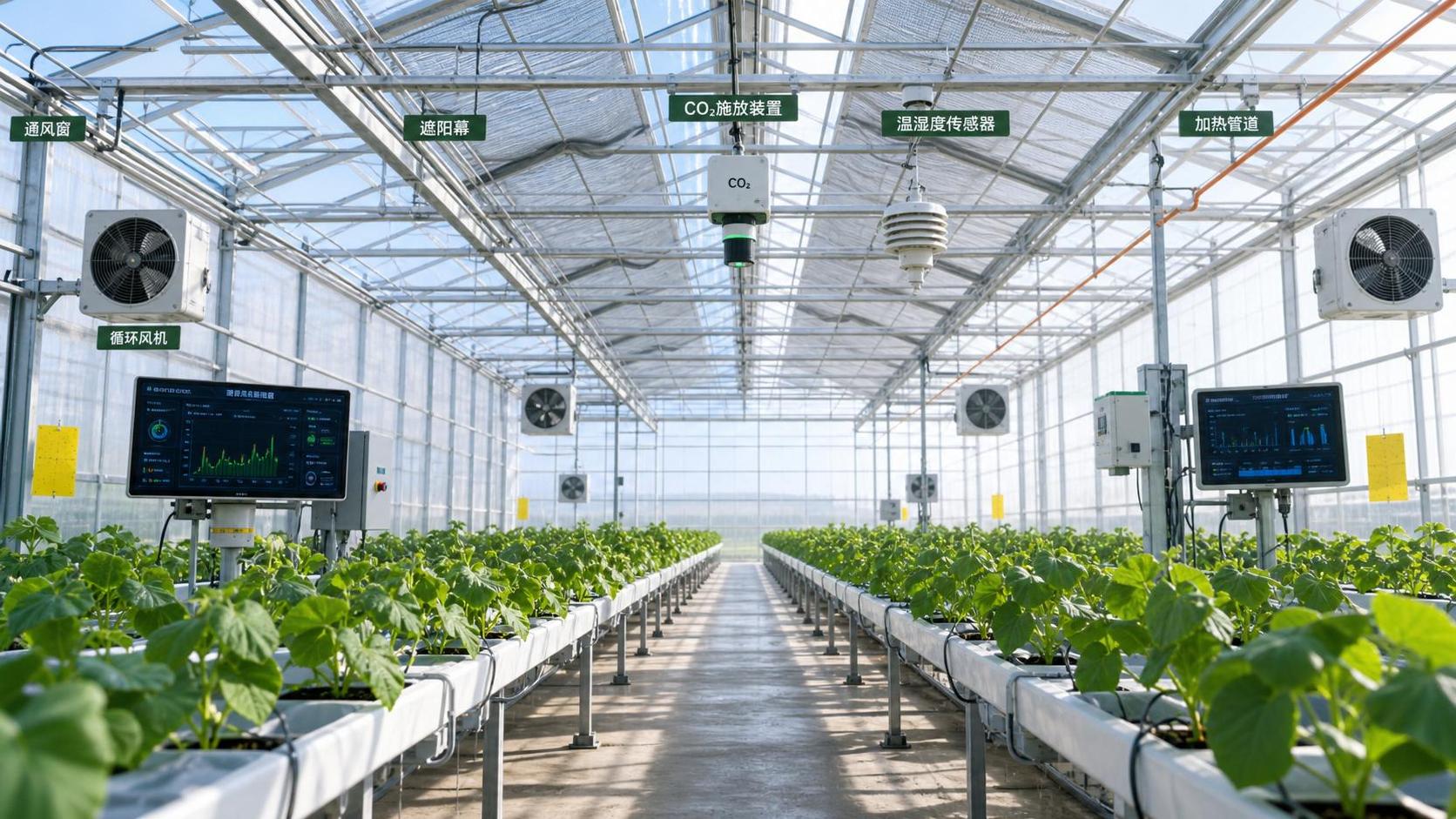
Why does greenhouse climate automation still fail in daily operation?
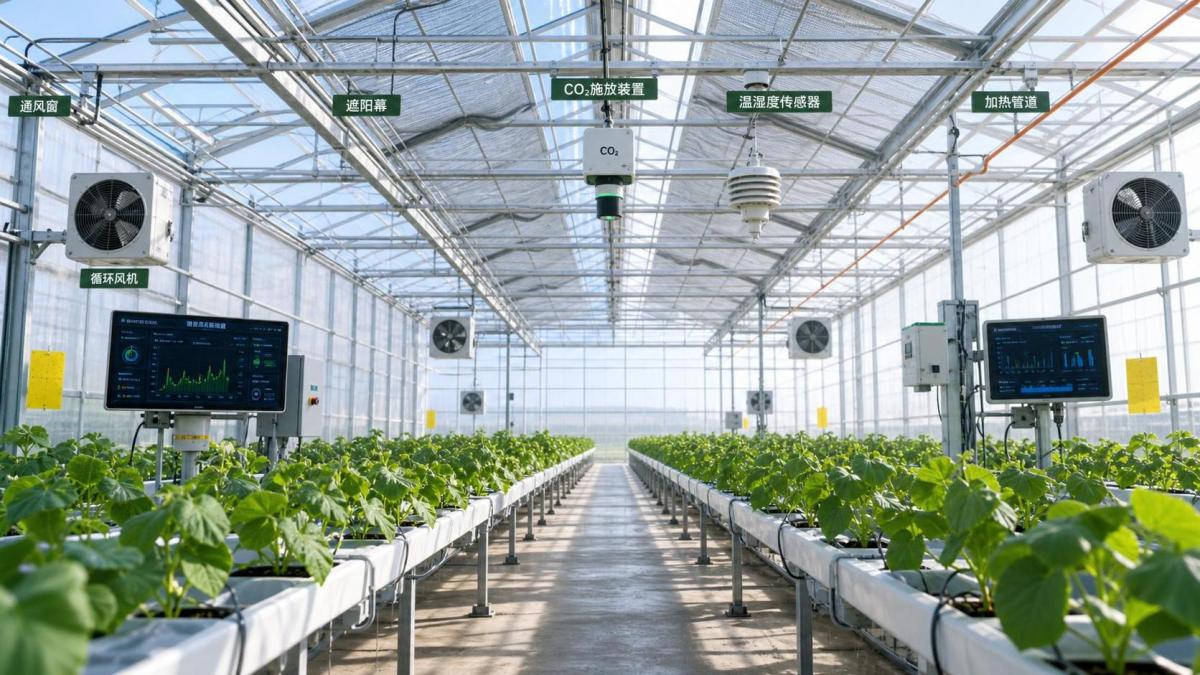
Greenhouse climate automation promises stable growth, lower labor pressure, and better energy use. Yet many houses still drift between overheating, damp mornings, and weak afternoon recovery.
The reason is rarely that automation itself does not work. More often, the control logic was installed, then left with generic settings.
In practice, greenhouse climate automation fails when sensors disagree, equipment stages overlap, or one target chases another. Temperature control may fight humidity control. CO2 dosing may run during unnecessary venting.
That creates unstable plant conditions and wastes fuel, power, water, and gas. The problem is not just comfort inside the greenhouse. It affects crop timing, disease pressure, and input cost.
Across controlled environment agriculture, the better question is not whether to automate. It is whether greenhouse climate automation is tuned for the crop, the structure, and the season.
This is why technical platforms such as SAMS keep returning to control quality, not just equipment lists. The hardware matters, but the sequence logic decides whether the hardware works together.
Are temperature and humidity setpoints causing the conflict?
Very often, yes. A common mistake is treating temperature and humidity as separate targets with no shared strategy.
For example, heating may start at sunrise to lift air temperature quickly. At the same time, vents may open because humidity remains high. That combination burns energy while diluting heat.
Another issue appears at night. If the temperature setpoint is held too low, moisture stays on leaves longer. If it is held too high, fuel use rises without real yield benefit.
A stronger approach is to control climate by plant risk zones, not by isolated numbers. That means checking air temperature, relative humidity, vapor pressure deficit, and crop stage together.
When greenhouse climate automation is revised, the first adjustment should usually be setpoint coordination. Review these points:
- Day and night setpoints should reflect crop demand, not a fixed annual rule.
- Humidity alarms should trigger staged action, not immediate full venting.
- Heating and dehumidification sequences should be linked.
- Radiation changes should influence morning strategy.
If the greenhouse feels like it is constantly correcting itself, the targets are probably competing instead of cooperating.
What happens when sensors are accurate individually but wrong as a system?
This is one of the most overlooked greenhouse climate automation problems. A sensor can be calibrated and still produce bad control decisions.
The issue is placement, averaging, and priority. One humidity sensor near a wet pad will read differently from another above the crop. A temperature probe near a pipe rail may report a warmer zone.
If the controller treats those readings as equal, the climate response becomes erratic. Fans may cycle too often. Fogging may stop too early. Screens may close on partial information.
A useful way to diagnose this is to compare what the system sees with what the crop experiences. Walk the house at the same time you check trend logs.
The table below helps organize the most frequent control mistakes and practical fixes.
For greenhouse climate automation, data quality is not just calibration accuracy. It is whether each reading supports a realistic decision in that exact zone.
Why does CO2 control often look good on paper but underperform in the house?
Because CO2 programs are often scheduled by clock time instead of greenhouse condition. That sounds minor, but it changes cost efficiency dramatically.
If vents are already opening for temperature relief, CO2 enrichment may escape before plants use it. If radiation is weak, demand is limited anyway.
A better greenhouse climate automation strategy ties CO2 dosing to three checks at once: vent position, light availability, and crop activity window.
Another mistake is using one aggressive target all day. Plants do not respond the same way during low light morning hours and high radiation midday periods.
More reliable control usually comes from staged enrichment. Maintain a moderate baseline, then raise targets only when ventilation loss stays low and photosynthetic conditions are favorable.
This matters beyond gas cost. Poor CO2 logic can mislead the whole team into thinking the greenhouse climate automation platform is weak, when the real issue is timing discipline.
Could equipment sequencing be the hidden reason automation feels unstable?
Yes, and this problem shows up even in modern houses with strong hardware. Fans, screens, heating pipes, vents, pad systems, fogging, and circulation may each work well alone.
Instability appears when the sequence between them is unclear. One command starts before another has finished. A cooling step begins while thermal screens remain nearly closed. Dehumidification starts without enough air movement.
In actual greenhouse climate automation, sequence order matters as much as the final target. The controller should know which device leads, which device follows, and which device must wait.
A practical review usually includes these checks:
- Define minimum run times for fans and pumps.
- Prevent simultaneous heating and strong cooling unless the strategy is intentional.
- Set vent movement in stages instead of full travel jumps.
- Link screen position to radiation, humidity, and pipe temperature together.
SAMS often frames agricultural technology around system integration, and greenhouse control is a clear example. Equipment value comes from coordination, not just specification.
How do you know whether the automation settings need tuning or a hardware change?
This is a common decision point. Many climate complaints lead too quickly to new equipment proposals, even when the greenhouse climate automation logic has not been fully reviewed.
Start with trend data before changing hardware. If the system reaches targets but overshoots often, the issue is usually tuning. If commands are correct but the house responds too slowly, capacity may be the problem.
A few signs point more toward control logic than equipment failure:
- Climate swings occur at the same times every day.
- Different devices work against each other.
- Manual intervention improves conditions temporarily.
- Sensor trends look noisy or inconsistent by zone.
Signs pointing toward hardware limits are different. These include long recovery after weather shifts, poor airflow distribution, undersized heating, or unreliable actuator response.
The most effective path is usually phased. First correct greenhouse climate automation settings. Then measure whether the remaining gap is mechanical, structural, or operational.
What is the smartest next step if control mistakes keep repeating?
Do not start with another long list of ideal settings. Start with a short diagnostic routine that can be repeated every week.
Review one sunrise period, one midday peak, and one night cycle. Those three windows expose most greenhouse climate automation problems faster than average daily summaries.
Then document four items together: sensor reading, equipment command, actual equipment response, and crop symptom. That creates a usable decision trail.
If repeated issues remain, compare the greenhouse as a system. Climate control, irrigation timing, screens, and airflow rarely behave as separate departments inside the crop.
That broader view is where industry intelligence becomes useful. A platform such as SAMS helps connect greenhouse climate automation with energy use, water efficiency, sensor strategy, and digital farm management trends.
The main takeaway is simple. Most control problems are fixable, but only when the logic is examined in sequence, not piece by piece.
The next move is to audit setpoints, sensor placement, CO2 timing, and equipment staging in one review. From there, it becomes much easier to judge cost, upgrade priority, and implementation timing.
Related Intelligence