
Precision Farming Equipment Germany: Key Specs to Compare
Why Precision Farming Equipment in Germany Demands Closer Comparison
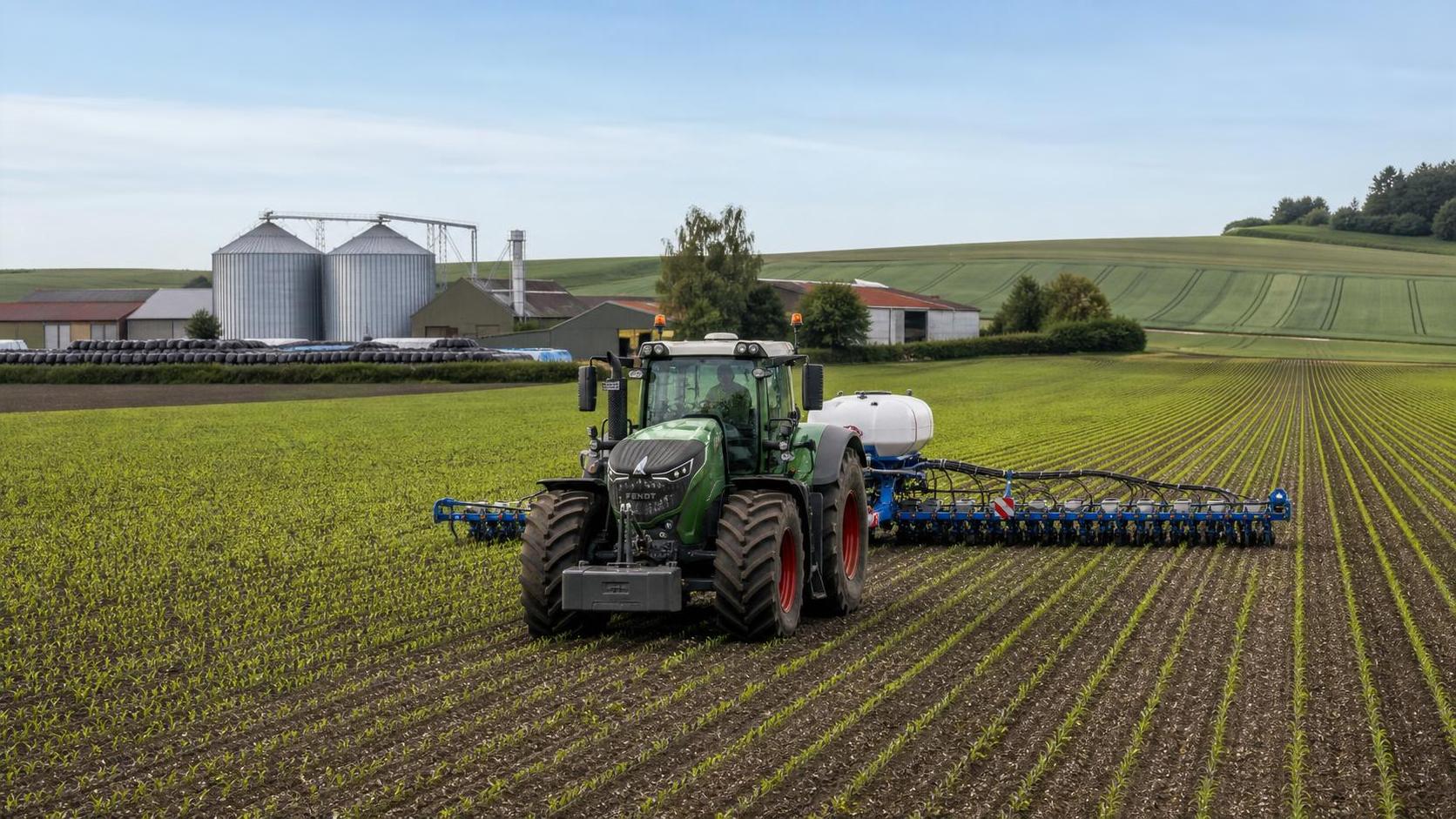
Precision farming equipment Germany is no longer judged by screen size, horsepower, or software claims alone.
Field accuracy, machine interoperability, and stable data flow now determine whether an investment improves output or adds operational friction.
That matters in Germany, where farms, contractors, cooperatives, and equipment fleets often work across mixed field sizes, strict input management, and demanding documentation standards.
In practice, comparing precision farming equipment Germany means looking past brochure language and testing how guidance, implements, sensors, and farm software perform as one system.
This is also why industry platforms such as SAMS track machinery, crop sensing, digital farm tools, and automation together rather than as isolated product categories.
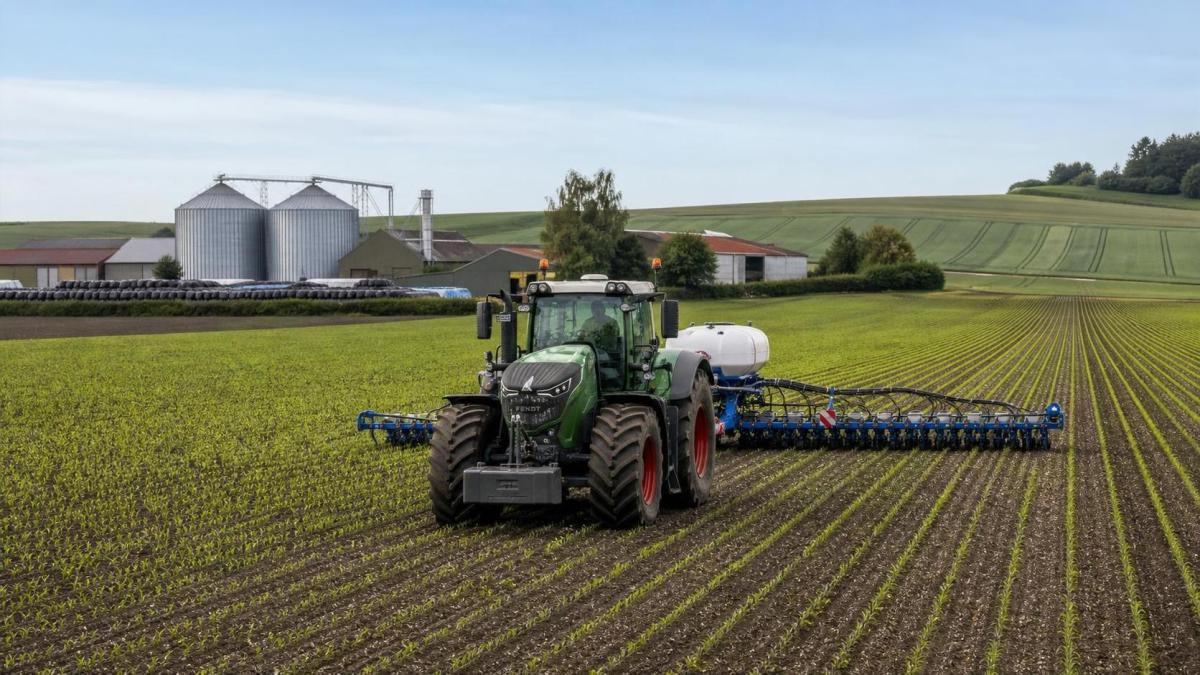
The real benchmark is operational consistency across seeding, spraying, fertilization, harvesting, and reporting.
What Falls Under Precision Farming Equipment Germany
The term covers more than tractor guidance kits.
It typically includes RTK steering systems, ISOBUS terminals, section control, planters, seeders, sprayers, fertilizer spreaders, drones, telemetry modules, and agronomic decision software.
Some systems are machine-centered.
Others are data-centered, such as NDVI mapping, prescription maps, variable-rate application, or cloud platforms linking field records with machine tasks.
The broader market increasingly connects tractors, combines, and input equipment with greenhouse controls, irrigation, and livestock automation.
That integration matters because input efficiency is no longer a single-machine issue.
It depends on whether mechanical power, sensing, and management data can support the same operational decisions.
The Specifications That Actually Change Field Performance
When screening precision farming equipment Germany, several specifications carry more weight than brand positioning.
Guidance accuracy and correction stability
RTK accuracy is often presented as a simple centimeter figure.
A better question is how stable the correction signal remains near tree lines, rolling terrain, transport corridors, and weak mobile coverage.
Repeatability across seasons matters more than peak accuracy on a test plot.
ISOBUS depth, not just ISOBUS presence
ISOBUS compatibility is frequently overstated.
Technical evaluation should confirm which functions work reliably: UT, TC-BAS, TC-GEO, TC-SC, AUX-N, and task documentation exchange.
A terminal that technically connects but limits implement control creates hidden inefficiency.
Section control and rate response
Section count, shutoff speed, nozzle or row-level granularity, and overlap reduction directly affect seed, fertilizer, and chemical waste.
Response delay becomes critical at headlands and irregular field boundaries.
Data handling and file compatibility
Precision farming equipment Germany should support practical data movement, not only proprietary dashboards.
Common questions include ISOXML support, shapefile import, API availability, cloud sync reliability, and whether records remain usable after a hardware upgrade.
Human-machine interface
A technically advanced system can still underperform if operators need too many steps to switch fields, load prescriptions, or recover after signal loss.
Usability is a measurable specification because it shapes training time and execution accuracy.
A Practical Comparison Table
The table below summarizes the core dimensions worth comparing before shortlisting precision farming equipment Germany.
Why the Market Focus Has Shifted
The attention around precision farming equipment Germany is tied to tighter margin control and more complex compliance requirements.
Input prices remain volatile.
Labor availability is uneven.
Weather windows are shorter and less predictable.
Under those conditions, precision tools are expected to deliver measurable agronomic and operational gains, not just digital visibility.
This is also why connected equipment categories are getting more attention.
A high-horsepower tractor with RTK steering has more value when paired with responsive seeders, sprayers, and farm software that can reuse the same field boundaries and task data.
SAMS reflects that broader view by linking machinery performance, crop sensing, automation, and return-on-investment analysis within one decision framework.
Where Different Equipment Types Need Different Benchmarks
Not every precision farming equipment Germany category should be judged by the same checklist.
Tractors and self-propelled platforms
Focus on steering precision, hydraulic response, terminal integration, and data handoff between tractor and implement.
CVT behavior and operator workload can affect precision during long shifts.
Planters, seeders, and spreaders
Metering consistency, section width, variable-rate responsiveness, and boundary accuracy usually matter more than headline throughput.
Sprayers and drones
Terrain following, droplet control, application logging, and shutoff latency become central.
In drone platforms, payload efficiency and mission stability deserve close review.
Combines and harvest data systems
Yield map accuracy, moisture sensing calibration, and clean export into farm management software are often underestimated.
Poor harvest data can weaken the value of later prescription work.
How to Evaluate Beyond the Demonstration Plot
A useful comparison process combines technical verification with operating context.
- Check whether the system fits existing tractors, implements, and software without custom workarounds.
- Review signal resilience, especially if fields vary in terrain, coverage, or tree obstruction.
- Ask for actual task files, not screenshots, to confirm documentation and export quality.
- Measure update policy, diagnostics access, and dealer response during peak seasonal periods.
- Test operator workflow for setup time, error recovery, and field switching.
These points often reveal more than a polished machine demonstration.
Return on Investment Comes from System Fit
The strongest ROI case for precision farming equipment Germany usually comes from cumulative savings and execution quality.
Overlap reduction, input optimization, labor efficiency, and cleaner documentation all contribute.
Yet the gains disappear quickly when systems cannot share data, when service support is thin, or when operators bypass advanced functions.
That is why a narrow price comparison can be misleading.
A lower-cost package with weak compatibility may produce higher lifetime cost than a better-integrated platform.
A Clearer Next Step for Shortlisting
A strong shortlist for precision farming equipment Germany starts with field operations, not catalog categories.
Map the tasks that matter most: seeding accuracy, section control, prescription execution, harvest data quality, or mixed-fleet interoperability.
Then compare systems against those tasks using repeatability, compatibility, support depth, and data usability as core filters.
From there, market intelligence sources such as SAMS can help extend the comparison into supplier readiness, application cases, and long-term upgrade logic.
That approach produces a more reliable decision than focusing on feature counts alone.
Related Intelligence