
Smart Irrigation Solutions Australia for Uneven Field Conditions
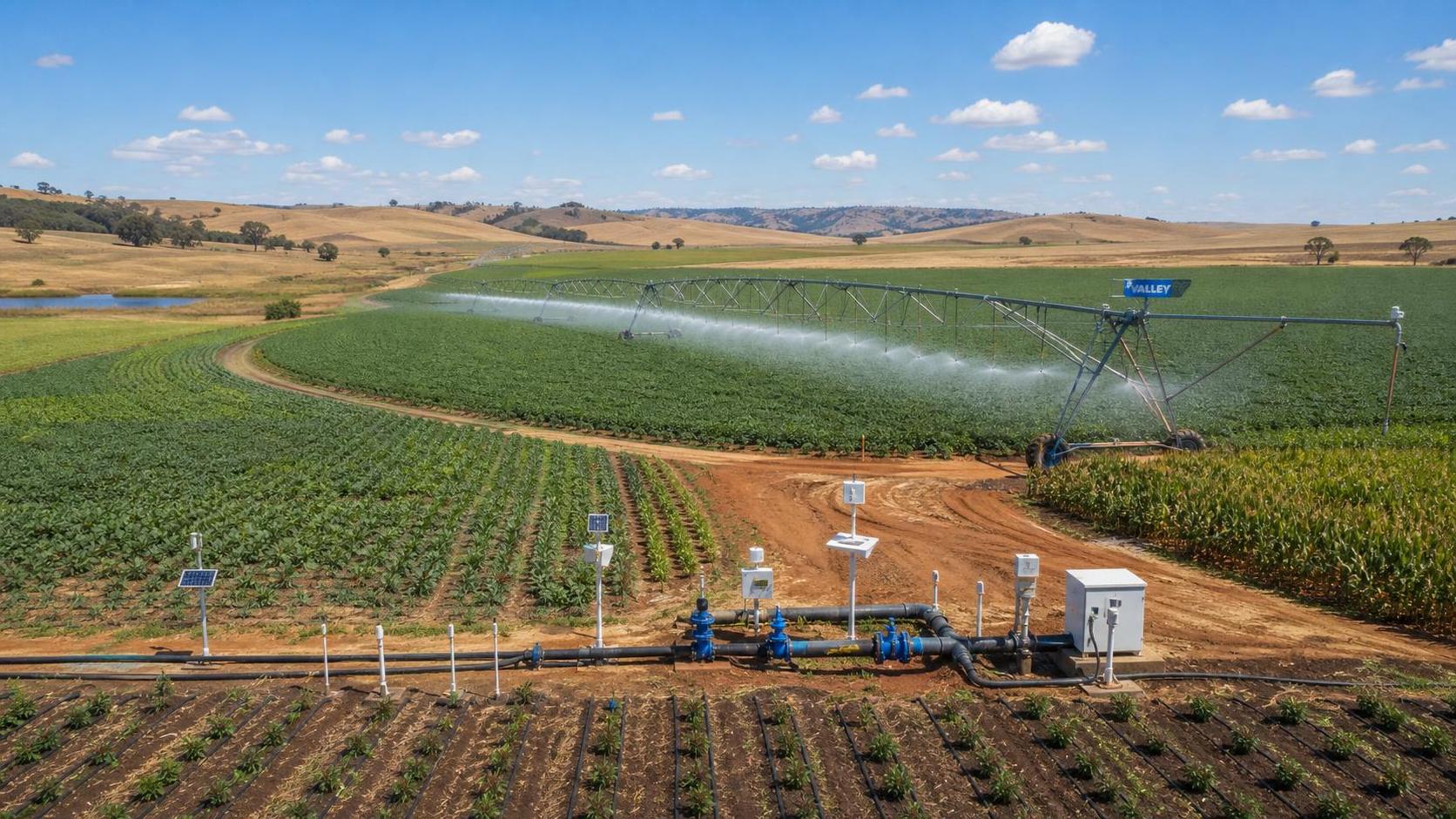
Smart Irrigation Solutions Australia for Uneven Field Conditions
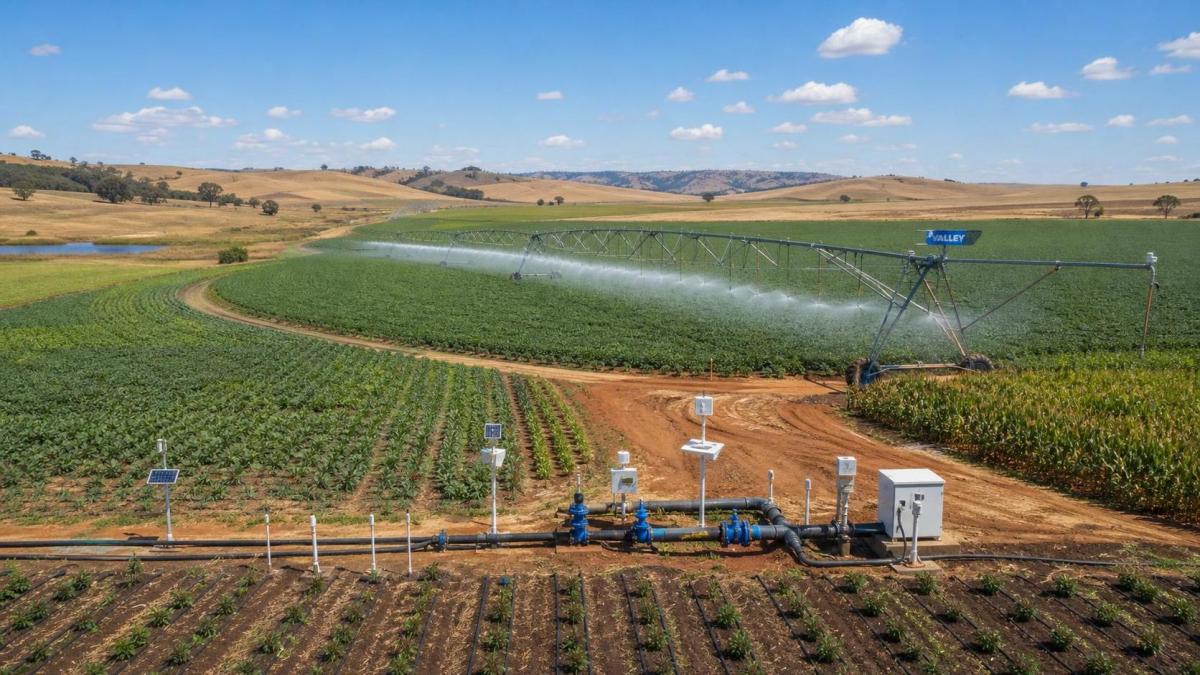
For farms with rolling ground, sandy rises, low-lying patches, and mixed soil zones, irrigation rarely behaves evenly.
That is why smart irrigation solutions Australia is becoming a practical priority, not just a technology upgrade.
When water application matches terrain, crop stage, and soil response, projects gain better control over yield and operating cost.
In real field conditions, uneven land creates runoff, ponding, pressure loss, and inconsistent infiltration.
Those issues often look small on paper, yet they quietly reduce return per hectare.
A well-designed system can correct much of that waste through smarter layout, sensing, and automated decision support.
This is where smart irrigation solutions Australia stands out.
It combines agronomic data, hydraulic design, and digital control into a more stable operating model.
For broadacre farms, orchards, and mixed production sites, that can mean fewer irrigation corrections and more predictable crop performance.
Why Uneven Fields Demand a Different Irrigation Strategy
Traditional scheduling assumes blocks behave similarly.
Uneven Australian fields rarely do.
Slope changes alter water speed.
Soil variation changes holding capacity.
Wind exposure can raise evaporation on one side of the block while shaded sections stay wetter for longer.
The result is uneven crop stress.
This also affects labor planning, fertilizer use, and harvest timing.
Smart irrigation solutions Australia addresses these differences by treating the field as multiple response zones.
That shift matters because one watering decision no longer needs to fit every section.
More clearly now, the best systems are designed around field variability from day one.
- High points often need shorter, more frequent irrigation cycles.
- Depressions may require slower application rates to prevent saturation.
- Mixed-texture blocks benefit from separate control zones and pressure monitoring.
- Remote sections usually need automated alerts to reduce manual inspection time.
Core Components of Smart Irrigation Solutions Australia
Not every digital irrigation system is truly smart in field use.
The strongest smart irrigation solutions Australia combines several layers of control.
First comes sensor input.
Soil moisture probes, weather stations, flow meters, and pressure sensors create a live view of field behavior.
Second comes control logic.
This includes automated valves, pump sequencing, and scheduling software tied to thresholds.
Third comes variable-rate capability.
This allows different sections to receive different water volumes based on terrain and crop need.
Finally, data visibility ties everything together.
Dashboards help teams spot leakage, underperformance, or poor timing before the season slips away.
In Australian conditions, connectivity and durability also matter.
Hardware must handle heat, dust, UV exposure, and long distances between assets.
- Moisture sensing by depth, not surface appearance.
- Terrain-responsive zoning for uneven field sections.
- Remote access for pumps, pivots, valves, and alarms.
- Reporting tools that support water use, labor, and ROI review.
How to Match System Design to Field Variability
Design errors usually begin before installation.
A smart plan starts with mapping, not equipment selection.
Topography, infiltration rate, soil type, crop layout, and water source constraints should be reviewed together.
This is one of the most practical advantages of smart irrigation solutions Australia.
It supports design decisions with measurable field data instead of broad assumptions.
For example, center pivots on undulating ground may need pressure regulators and drop adjustments.
Drip systems in uneven orchards may need separate submains and tighter flushing management.
Surface irrigation projects may need reshaping, reuse channels, or staged automation rather than full replacement.
From a project perspective, the right answer is often hybrid, not uniform.
Operational Gains Beyond Water Savings
Water efficiency is the headline benefit, but it is not the only one.
Smart irrigation solutions Australia can also improve labor coordination and maintenance timing.
Teams spend less time checking whether irrigation happened and more time managing exceptions.
That reduces routine travel across large properties.
It also creates better records for water compliance, seasonal review, and future capital planning.
Another gain is more stable fertigation performance.
When water delivery is uneven, nutrient placement usually becomes uneven too.
A controlled irrigation profile supports more accurate input use and cleaner crop response.
In practice, that can sharpen both agronomic outcomes and financial reporting.
- Lower pumping waste through better pressure management.
- Reduced rework caused by overwatered or missed zones.
- Faster identification of leaks, blockages, and valve failures.
- Stronger season-to-season benchmarking for asset decisions.
Common Risks When Deploying Smart Irrigation Solutions Australia
The technology works best when operating assumptions are realistic.
One common risk is overbuying software without fixing hydraulic constraints.
If pressure distribution is poor, automation simply repeats weak performance more precisely.
Another risk is poor sensor placement.
Sensors installed only in easy locations will not represent the whole field.
Data quality matters more than dashboard appearance.
There is also a management risk.
Alert-heavy systems can be ignored if thresholds are not tuned to actual farm operations.
Smart irrigation solutions Australia should simplify decisions, not create noise.
The more practical approach is staged deployment with measurable checkpoints.
- Validate flow and pressure first.
- Place sensors in representative high, mid, and low zones.
- Automate priority blocks before scaling to the full site.
- Review labor impact and water performance after one crop cycle.
A Practical Selection Framework for the Next Project Phase
The best investment case usually starts with three questions.
Where is water being lost?
Where is crop response most inconsistent?
Where is manual oversight consuming too much time?
Those answers help define the right level of smart irrigation solutions Australia for the site.
Some operations need full variable-rate irrigation with remote analytics.
Others need a simpler package built around sensors, valve control, and better scheduling discipline.
Either way, the commercial value comes from solving actual field constraints.
For uneven terrain, that usually means linking design, automation, and agronomic feedback into one operating loop.
That is the real strength of smart irrigation solutions Australia.
It gives farm projects a more precise way to manage variability, protect yield, and support long-term resource efficiency.
The next step is straightforward: map variability, rank the highest-cost problem zones, and build the irrigation upgrade around those priorities first.
Related Intelligence