
Hydroponic Water Saving: What Actually Reduces Waste
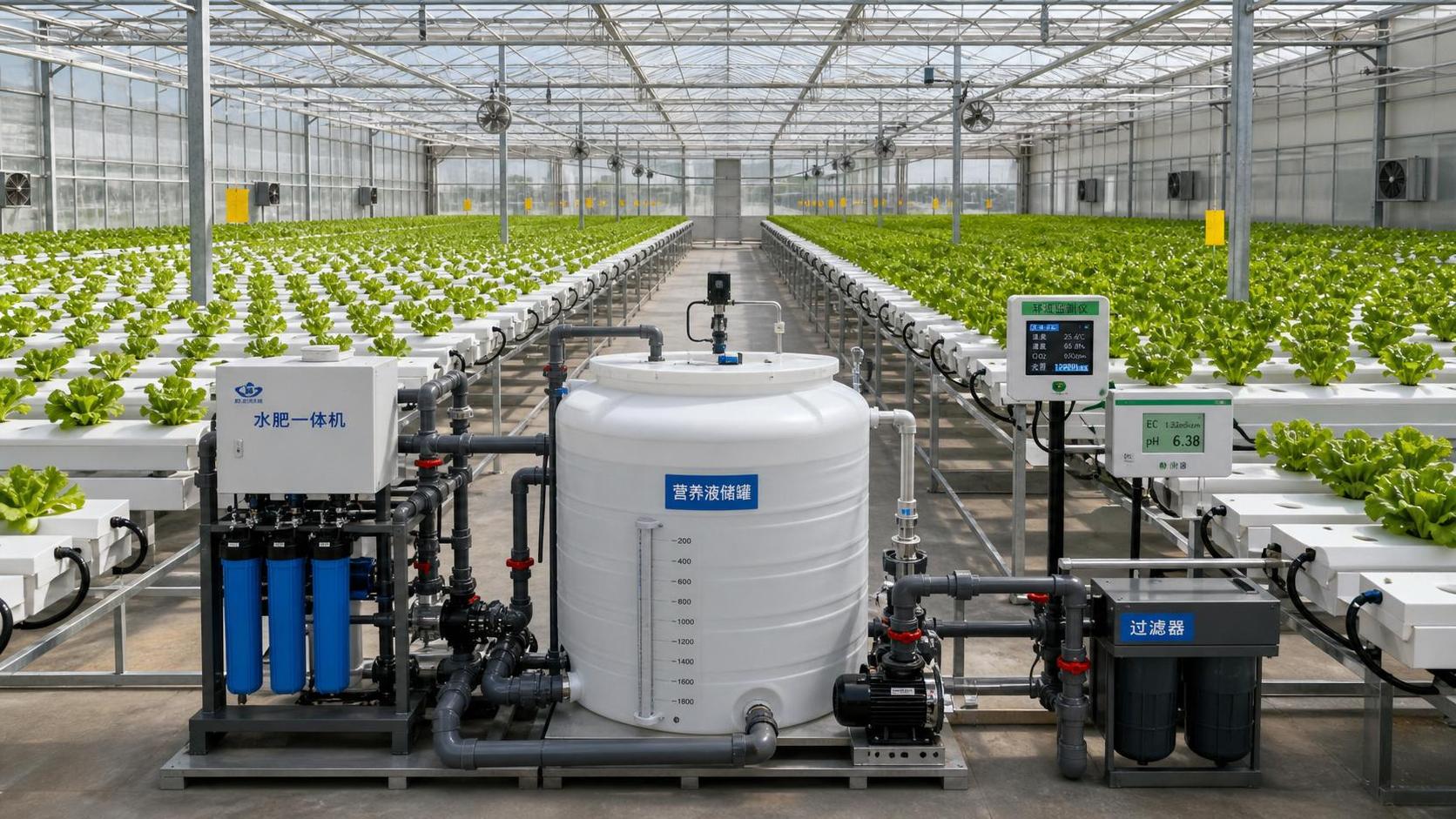
Hydroponic water saving starts with where water really disappears
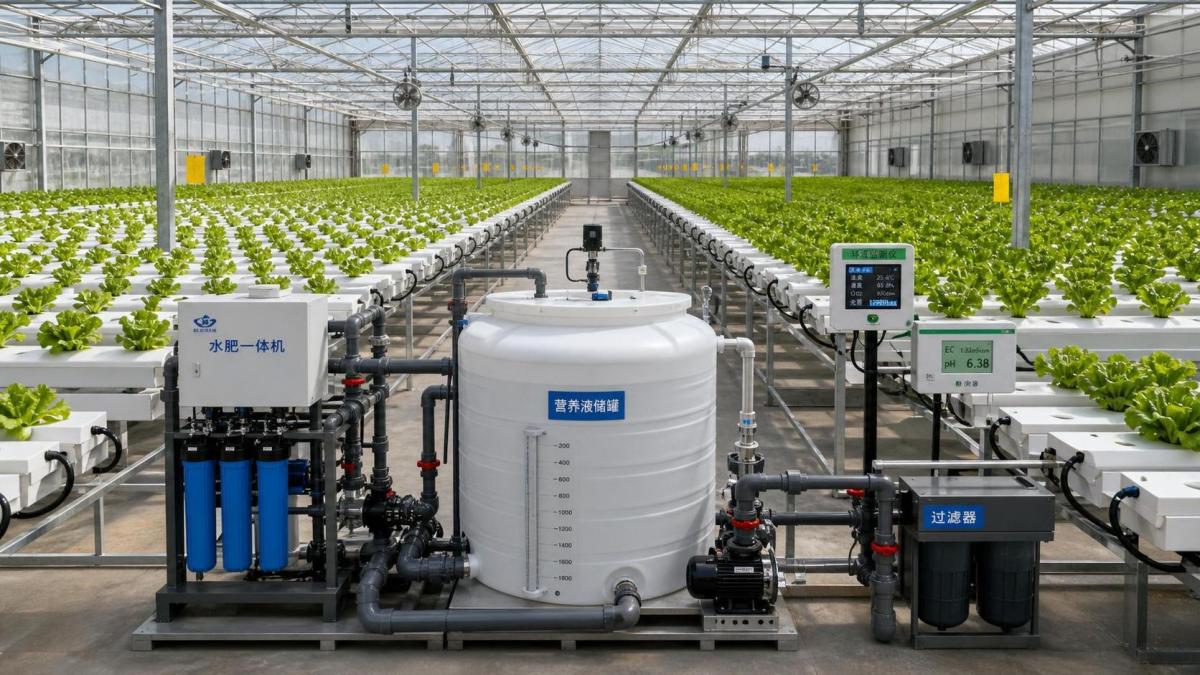
Hydroponic water saving sounds simple until daily operation begins. Many systems use less water than soil growing, but lower use does not automatically mean lower waste.
In practice, water is lost through leaks, poor recirculation balance, drain discharge, evaporation from exposed surfaces, and incorrect nutrient dosing that forces replacement.
That is why operators often see different results from similar greenhouses. The equipment layout matters, but monitoring discipline matters just as much.
Across controlled environment agriculture, hydroponic water saving is strongest when pumps, sensors, irrigation timing, and root-zone conditions work as one system.
This is also why SAMS often frames greenhouse efficiency as a systems question, not only a crop question. Water performance links directly with fertigation, climate control, and digital farm management.
Does recirculation always reduce waste, or can it create hidden losses?
Recirculation usually delivers the biggest hydroponic water saving, but only when return water stays usable. That is the part broad claims often skip.
A closed-loop system can cut fresh water demand sharply. Even so, if pathogens, sodium buildup, or unstable EC force dumping, the saving drops fast.
The better question is not whether water returns to the tank. It is whether that return stream remains clean, measurable, and worth reusing.
More efficient setups usually share a few traits:
- Covered tanks and channels to limit evaporation and contamination
- Reliable filtration before water re-enters the mixing tank
- Routine EC, pH, temperature, and dissolved oxygen checks
- Defined thresholds for correction instead of late emergency discharge
In actual greenhouse operation, stable recirculation beats aggressive recirculation. Pushing reuse too far without treatment often leads to larger corrective losses later.
What parts of the system usually waste water without being noticed?
Most waste is not dramatic. It comes from small, repeated problems that blend into normal operation.
Dripper mismatch is a common example. When some emitters deliver more than planned, runoff rises while root uptake stays unchanged.
Uneven pressure across long irrigation lines creates a similar effect. One section stays wet, another dries down, and the response is often extra irrigation for the whole zone.
Leaks around valves, flexible connections, UV-damaged tubing, and tank overflows also add up. Because each event looks small, it may stay unrecorded for weeks.
The same applies to exposed gutters and open nutrient tanks. In warm conditions, evaporation may not be the largest loss, but it is persistent.
A practical inspection table helps separate real hydroponic water saving from assumptions:
This kind of check is more useful than generic efficiency claims. It turns hydroponic water saving into something measurable and correctable.
Can climate control improve hydroponic water saving as much as irrigation changes?
Often, yes. Water use in hydroponics is tied to plant transpiration, so greenhouse climate strategy directly shapes how much irrigation is actually needed.
If temperature climbs too fast, plants demand more water. If humidity stays poorly managed, irrigation decisions become reactive instead of planned.
This does not mean lowering irrigation until plants struggle. It means keeping the root zone and greenhouse atmosphere aligned so each pulse has a purpose.
More stable results usually come from coordinating:
- Climate sensors for temperature, humidity, and radiation
- Irrigation triggers based on plant demand, not fixed clock intervals alone
- Drain targets adjusted by season, light level, and crop stage
- Root-zone temperature control where seasonal stress is severe
That systems view reflects how modern greenhouse operators use connected tools. Water saving improves when climate control, fertigation, and data logging share the same logic.
Is dosing accuracy really a water issue, or mostly a nutrient issue?
It is both. Poor dosing wastes nutrients first, but it often wastes water soon after.
When injectors drift, pH correction becomes unstable. When EC overshoots, the usual response is dilution, flushing, or partial tank replacement.
That is avoidable loss. In many facilities, the difference between average performance and strong hydroponic water saving is simple calibration discipline.
Needle pumps, venturi systems, sensors, and flow meters all need verification. A dosing skid that looks automated can still be inaccurate if maintenance intervals slip.
A useful field rule is to treat any unexplained recipe correction as a warning sign. Repeated manual adjustment usually points to hidden drift somewhere in the line.
In facilities that already use IoT dashboards or digital farm platforms, trend alarms can reduce these losses early. The value is not the dashboard itself. The value is faster correction.
Which hydroponic setups are most likely to save water in daily operation?
The answer depends less on the crop label and more on operational control. A technically advanced layout can still waste water if the daily routine is weak.
Even so, some setup choices usually support hydroponic water saving more consistently than others.
The strongest performers usually combine physical recapture with digital visibility. That combination matters more than chasing the newest hardware name.
What mistakes make hydroponic water saving look better on paper than in reality?
One common mistake is counting only applied irrigation water while ignoring dumped solution, sanitation flushes, and line cleaning losses.
Another is comparing systems across different climates without adjusting for radiation, crop density, or production targets. The numbers may look neat but say little about real efficiency.
There is also a management mistake: assuming low drain always means good water performance. In some crops, pushing drain too low can raise salinity stress and trigger bigger losses later.
A more reliable approach is to track water in three layers:
- Fresh water entering the system
- Water recaptured and reused
- Water discharged, leaked, evaporated, or lost in maintenance
Once those figures are separated, hydroponic water saving becomes much easier to improve. It also becomes easier to compare equipment choices and operating methods fairly.
What should be checked first before trying to improve results?
Start with a water balance for one full production week. Measure source water, recirculated volume, drain percentage, and any discharged solution.
Then inspect the basics that usually create the fastest gains: leaks, overflow points, emitter uniformity, sensor calibration, and tank covering.
After that, review whether irrigation timing follows plant demand or only habit. Many systems lose water because schedules never changed after seasonal conditions shifted.
For more advanced facilities, connect those checks with greenhouse climate records and fertigation logs. That broader view often reveals why water use moved before crop symptoms appeared.
The practical takeaway is straightforward. Hydroponic water saving comes from control quality, not from hydroponics alone.
When the next adjustment is planned, build a short checklist around recirculation stability, leak prevention, dosing accuracy, and root-zone response. That is where real waste reduction usually begins.
Related Intelligence