
Automation Fit and Farm Use Cases for Poultry Cage Systems
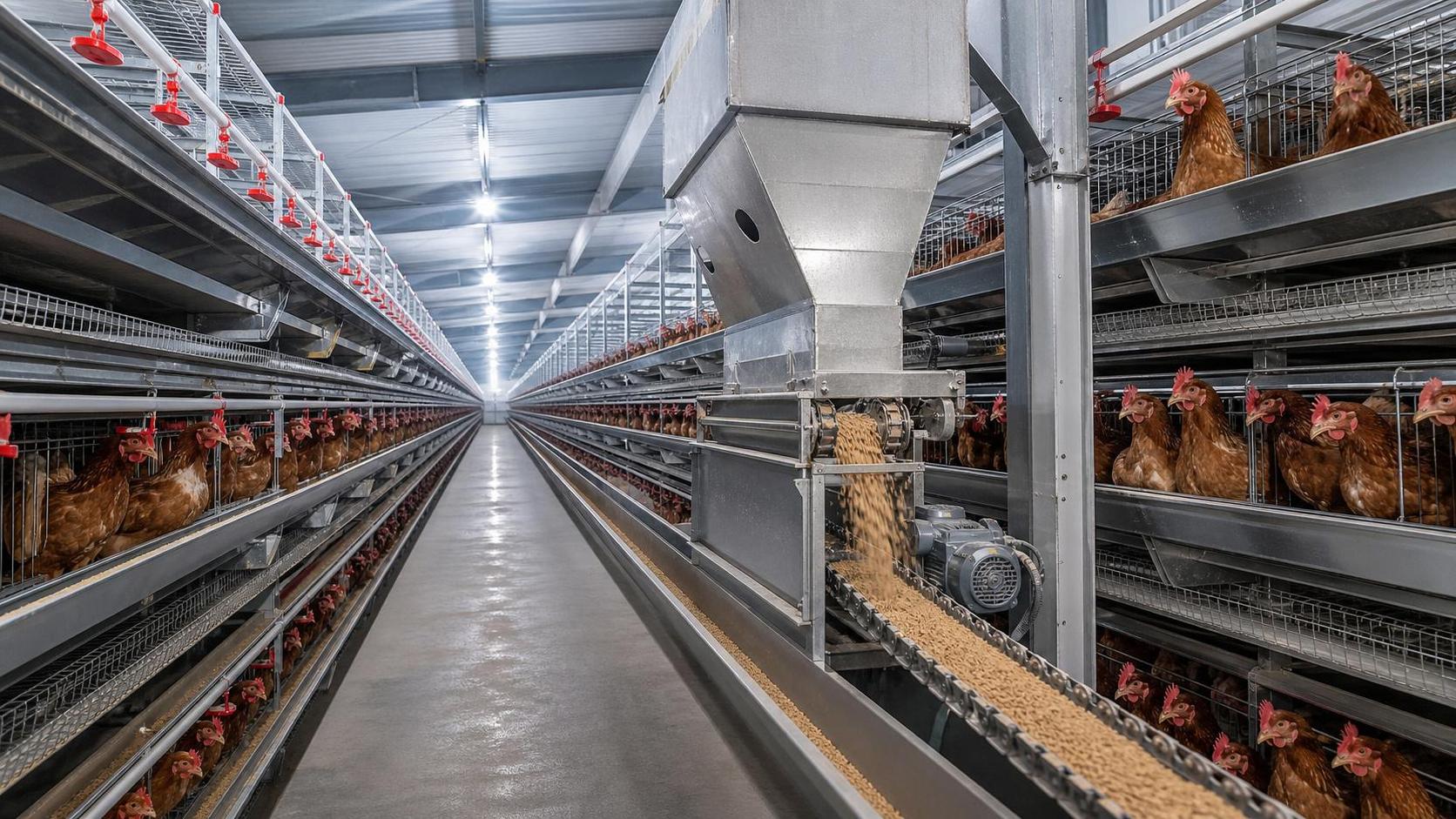
Automation in poultry housing is often discussed as a way to reduce labor, but the real value depends on whether the system fits the farm's scale, building conditions, management routine, and maintenance ability. A farm can buy automatic feeding, drinking, manure removal, and egg collection equipment, yet still struggle if the house is poorly planned, the power supply is unstable, or workers are not trained to inspect the system every day.
For layer farms and larger commercial projects, automated cage equipment can support more consistent routines. It can help workers distribute feed more evenly, inspect water lines more quickly, remove manure on schedule, and reduce repetitive handling. At the same time, automation introduces motors, belts, chains, sensors, controllers, spare parts, and installation requirements. Buyers should evaluate the complete operating model, not only the equipment list.
This guide explains when automation makes sense, which system areas matter most, what questions buyers should ask suppliers, and how farms can test equipment before full operation. It is intended for farm owners, consultants, and procurement teams comparing cage automation options for practical poultry production.
Automation Should Match Farm Scale
The first question is whether the farm size can benefit from automation. A small house with limited birds may not need a high level of equipment complexity. Manual feeding and egg collection can work if labor is reliable and the layout is easy to manage. However, as flock size grows, manual routines become slower and less consistent. Workers may spend too much time carrying feed, checking rows, cleaning manure, or collecting eggs.
Automation becomes more attractive when the farm needs repeatable routines across many cage rows. A feed cart or chain feeding system can reduce uneven distribution. A nipple drinking system with proper pressure control can support water access while reducing leakage. Manure belts or scrapers can make waste removal more predictable. Egg collection equipment can reduce handling time and help protect product quality when properly maintained.
The buyer should compare labor savings with investment, power needs, maintenance capacity, and spare part availability. A farm that cannot maintain motors, belts, and control parts may be better served by a semi-automatic design. Automation is useful when it improves daily operation and the farm can keep it working.
Main System Areas to Evaluate
A cage automation package is made of several linked equipment groups. The value of the system depends on how these groups work together after installation. The following table summarizes the main decision areas buyers should review before confirming an order.
Use Cases Where Automation Adds Clear Value
Automation is most useful when the farm has enough scale and routine pressure to justify it. A multi-row layer house that needs regular feeding, water checks, manure removal, and egg collection can benefit from systems that reduce repeated walking and carrying. The value is not only speed. A more consistent routine can help managers detect problems earlier and keep work organized.
Another use case is a farm that expects to expand. If the first house is designed with future automation in mind, the buyer can avoid expensive redesign later. Row spacing, electrical routing, manure direction, and feed storage should leave room for upgrades. Even if the farm starts with semi-automatic operation, it can choose cage hardware and layout that do not block later improvements.
Farms with labor shortages may also consider automated equipment. However, automation does not remove the need for skilled workers. It changes the work. Staff must inspect motors, belts, nipples, troughs, frames, alarms, and bird behavior. A farm that uses automatic poultry cages still needs a disciplined daily inspection routine.
Installation Planning Before Equipment Arrives
Many automation problems begin before installation starts. The building may not be level, the house width may not match the proposed row layout, or the farm may not have prepared electrical points and water supply. Buyers should review installation requirements while negotiating the order, not after the container arrives.
Important preparation steps include confirming house dimensions, checking floor level, marking row positions, preparing water tanks and filters, planning feed storage, arranging power supply, and assigning trained workers or contractors. The supplier should provide drawings, packing lists, installation sequence guidance, and technical notes for each system area.
During installation, the farm should check alignment row by row. Small errors in cage position can affect feeding lines, egg belts, manure belts, and worker movement. Water pressure should be tested before birds enter the house. Feeding movement should be tested with a small quantity of feed. Manure handling should be run empty to check tracking, tension, and access.
Supplier Evaluation Beyond the Quotation
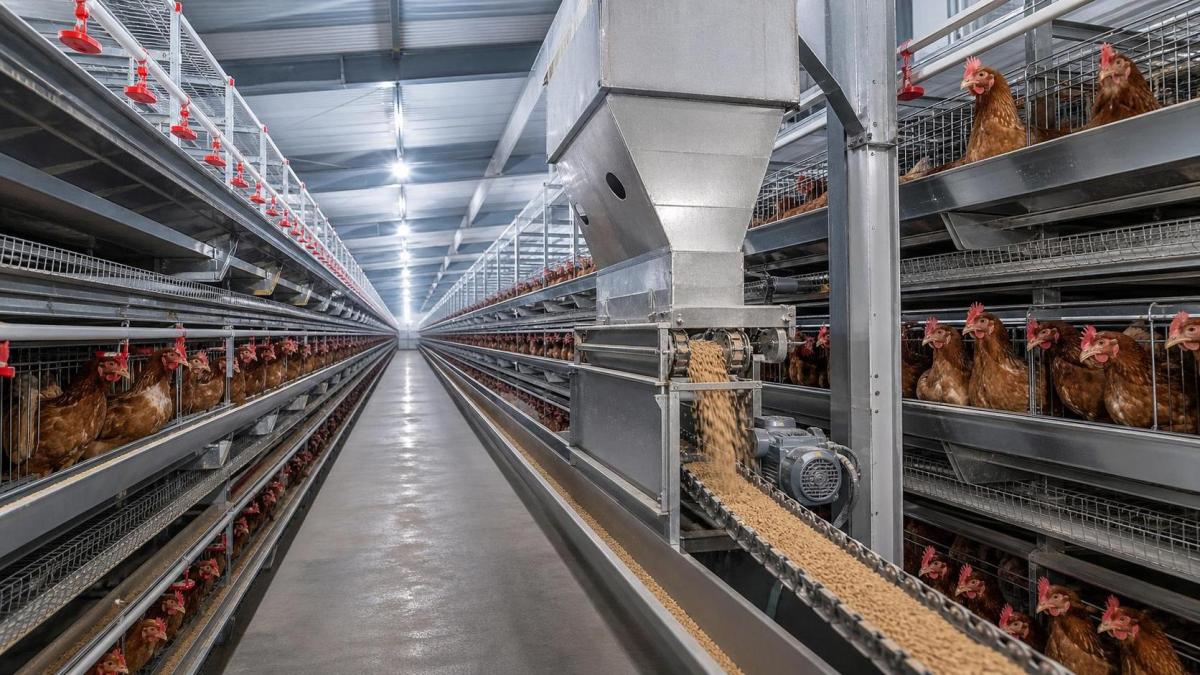
Automatic cage equipment should not be purchased from a quotation alone. Buyers should ask the supplier to explain the operating routine and maintenance needs. A professional offer should include equipment specifications, capacity assumptions, layout drawings, included accessories, spare parts, packing details, and installation support.
Buyers should also ask how the supplier handles replacement parts. Motors, belts, nipples, drinker cups, brackets, fasteners, control parts, and small accessories may need replacement during the equipment's working life. If the supplier cannot identify parts clearly, the farm may lose time when a small component fails. Documentation is not paperwork for formality; it is part of operational continuity.
Another useful question is how the supplier recommends training workers. Operators should know how to start and stop systems, check abnormal movement, respond to water pressure issues, clean equipment, and recognize signs of bird access problems. Training should be practical and connected to the actual installed system.
Daily Operation and Maintenance Discipline
Automation reduces some manual tasks, but it does not make the farm self-managing. Workers still need to check birds, equipment movement, water access, feed level, manure condition, and house environment. A daily inspection list should be posted and followed. The manager should know who is responsible for each check and how problems are reported.
Maintenance should be scheduled, not left until a breakdown occurs. Moving parts need inspection. Feed residues should be cleaned. Water lines may need flushing. Manure belts or scrapers should be checked for tracking and tension. Electrical panels should be kept dry and protected. The farm should also keep basic spare parts available, especially for components that could stop feeding or drinking routines.
Record-keeping helps identify whether automation is performing as expected. Farms can track feed distribution issues, water leakage, egg handling problems, downtime, repair frequency, and worker time. These records help managers decide whether adjustments, training, or replacement parts are needed.
Buyer Checklist Before Signing
- Confirm house size, row layout, tier count, aisle width, and target bird capacity.
- Ask which feeding, drinking, manure removal, egg collection, and control components are included.
- Request drawings, installation sequence notes, packing list, and spare part list.
- Check power requirements, backup operation, and electrical safety needs.
- Review water quality, filtration, pressure control, and flushing method.
- Ask how workers should inspect, clean, and maintain each automated part.
- Plan pre-operation tests before placing birds in the house.
- Confirm after-sales support, replacement parts, and documentation language.
FAQ
When should a farm choose automated cage equipment?
Automation is most suitable when flock size, labor pressure, and routine complexity make manual work inconsistent or costly. The farm must also be able to maintain the equipment.
Does automation remove the need for workers?
No. It changes worker tasks from carrying and repeating manual routines to inspection, adjustment, cleaning, monitoring, and maintenance.
What should buyers test before stocking birds?
Test feeding movement, water pressure, nipple function, manure handling, egg collection alignment, control panels, and worker access before the first flock enters the house.
Why is spare part planning important?
Small parts can stop key routines if they fail. Buyers should identify replacement parts before operation starts and keep essential items on site.
Editorial Review Note
This article is buyer-facing guidance for poultry equipment planning. It avoids fabricated prices, unsupported project numbers, guaranteed labor-saving claims, and invented certifications. Final upload should be reviewed against the destination portal's house style, category rules, and formatting requirements.
Related Intelligence