
How to Evaluate a Smart Agricultural Machinery Company
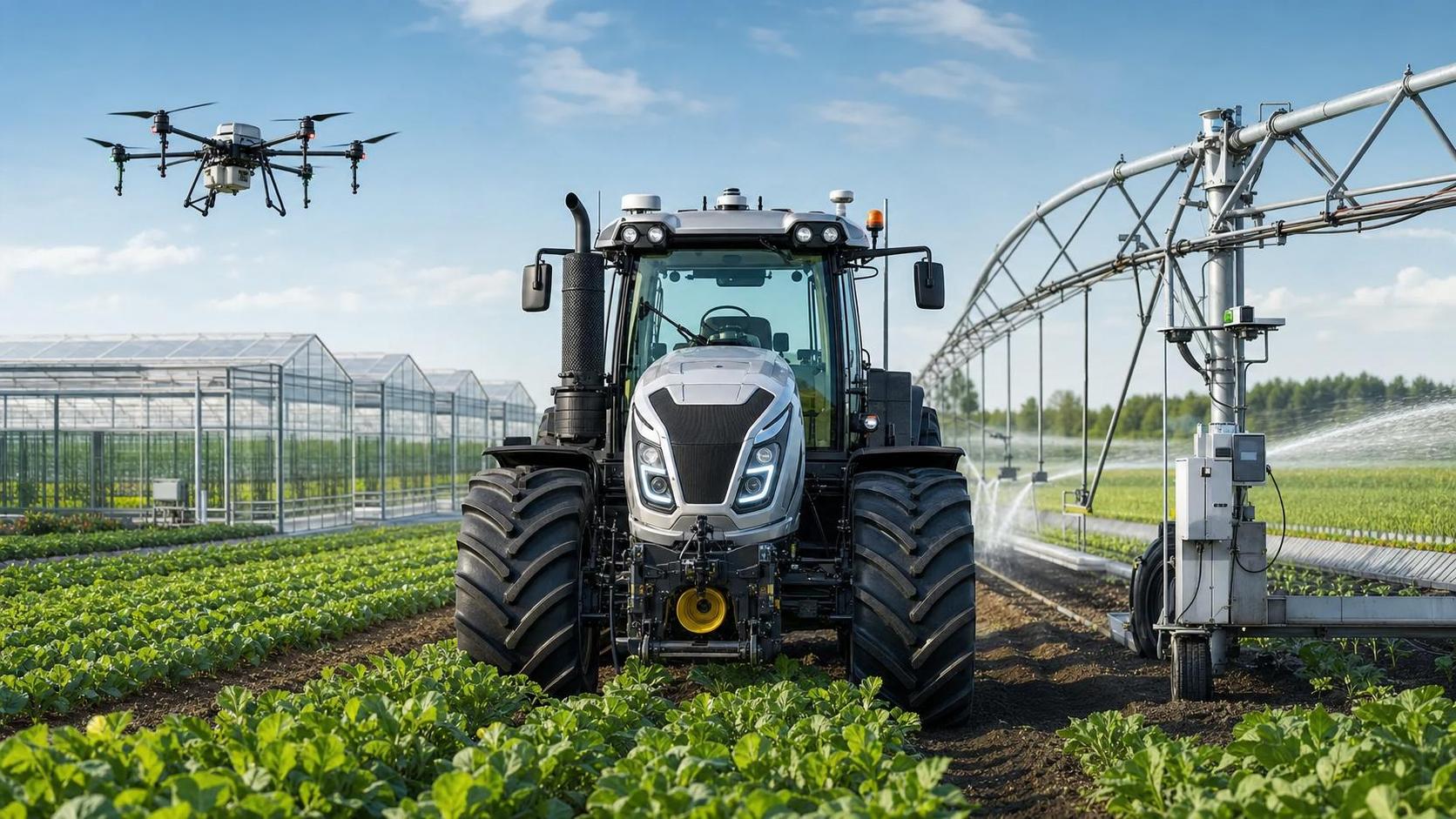
Evaluating a smart agricultural machinery company takes more than checking a catalog, a machine size, or a quoted price. The stronger question is whether that company can support real operating outcomes across field crops, greenhouse production, livestock systems, and digital farm management. In a market shaped by labor pressure, tighter margins, climate volatility, and rising data use, the right supplier is not simply selling equipment. It is delivering reliability, integration, service depth, and business value that can hold up over time.
What a smart agricultural machinery company really provides
A smart agricultural machinery company operates at the intersection of mechanical performance and digital control. That includes tractors, combines, balers, precision drones, irrigation systems, greenhouse automation, and livestock equipment.
The evaluation should focus on systems, not isolated products. A machine may look competitive on paper, yet fail when guidance accuracy, software compatibility, spare parts lead time, or operator training become daily issues.
This is why industry platforms such as SAMS are useful in early research. They frame machinery decisions around technical capability, field application, ROI, and long-term suitability rather than brochure language.
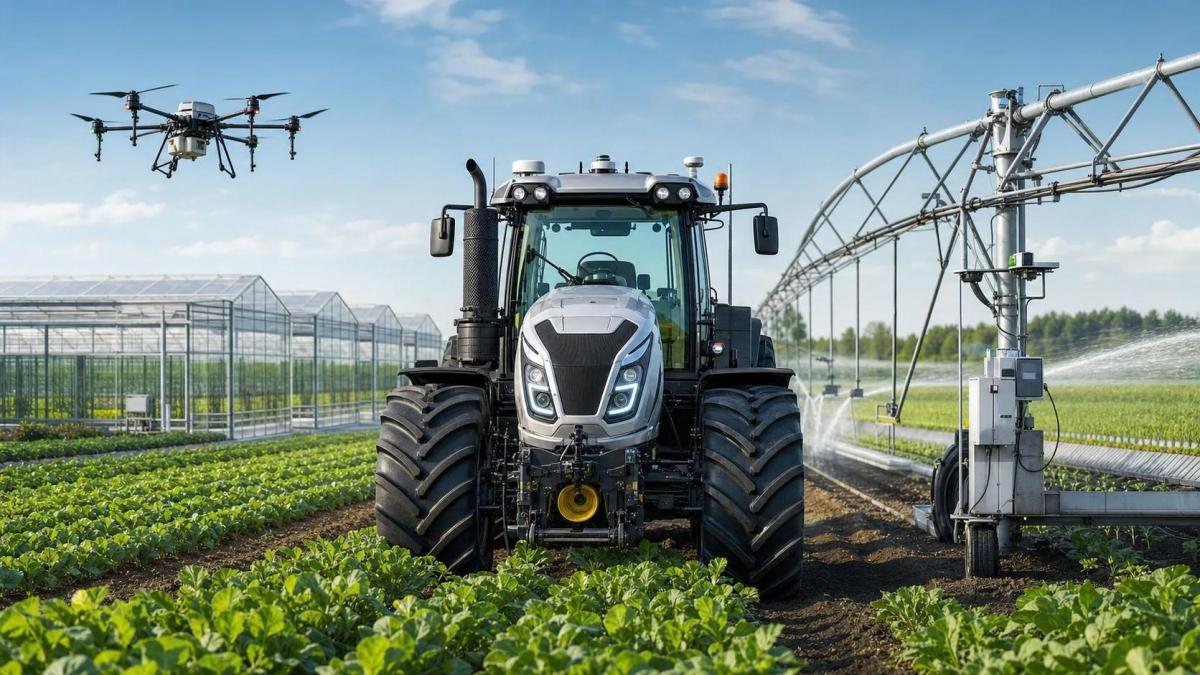
In practice, the best supplier is usually the one that can connect power systems, automation features, crop or livestock data, and support infrastructure into one workable operating model.
Why this evaluation matters more now
Agriculture is becoming more capital intensive and more data dependent. Equipment decisions now affect labor allocation, input efficiency, uptime, sustainability targets, and production timing.
A 300 to 500 HP tractor with RTK steering, for example, is no longer judged only by drawbar power. Buyers also examine accuracy, operator fatigue reduction, software reliability, and compatibility with planters or variable-rate tools.
The same shift appears in harvesters, sprayer drones, fertigation systems, and feeding robots. A smart agricultural machinery company must show how technology performs under real working pressure, not only in demonstration settings.
That matters especially when harvest windows are short, water costs are rising, or labor access is inconsistent. Small inefficiencies can become large operating losses within one season.
Technical capability is the first serious filter
A credible smart agricultural machinery company should be able to explain its engineering logic clearly. That includes core machine design, control systems, sensing technology, and the performance limits of each product line.
Look beyond rated specifications
Horsepower, tank size, working width, or battery duration are useful starting points. They are not enough on their own.
More useful questions include PTO stability under load, CVT efficiency during varying torque demand, threshing consistency in difficult crop conditions, and drone terrain-following accuracy on uneven land.
Check the digital layer
Software and connectivity are now part of machine quality. RTK guidance, prescription maps, NDVI integration, climate sensors, machine vision, and IoT dashboards should work as operating tools, not decorative features.
Ask whether data can move across platforms, whether updates are stable, and whether the interface is practical for daily use. A smart system that creates extra complexity often loses value quickly.
Application fit matters more than product breadth
Some companies look impressive because they offer many categories. A better sign is whether they understand specific use cases and can match machinery to real operational goals.
That means different things in different settings. Broad product range alone does not prove fit.
A strong smart agricultural machinery company usually has case examples that show performance by crop, terrain, climate, and production model. That operating context is often more valuable than generic claims.
Market credibility should be evidence based
Brand visibility helps, but credibility should be tested through verifiable signals. A serious review looks at market presence, export readiness, installed base quality, and how the company is discussed in technical channels.
Independent industry reporting can help here. SAMS, for example, is useful because it links supplier visibility with application analysis, trend reporting, and machinery performance topics that matter in actual procurement decisions.
- Check whether the company can document field results, not only provide promotional references.
- Review certifications, compliance readiness, and export support for target markets.
- Look for continuity in parts supply, dealer development, and technical training.
- Watch for gaps between brand messaging and documented application experience.
A smart agricultural machinery company with genuine market depth usually leaves a trail of evidence across service networks, repeat business, distributor stability, and user performance data.
Service capacity often decides the real outcome
In heavy equipment and digital agriculture, service is not an afterthought. It is part of the product.
Downtime during planting, harvest, feeding cycles, or greenhouse climate stress can erase the advantage of a lower purchase price. That is why after-sales structure deserves close attention.
Key service questions
- How fast can critical spare parts be delivered?
- Is remote diagnostics available for software and sensor issues?
- Can technicians handle both mechanical and digital faults?
- Is operator onboarding included and updated over time?
- Are warranty terms aligned with real working conditions?
The more advanced the machinery, the more important this becomes. A smart agricultural machinery company may offer autonomous steering, machine vision, or fertigation control, but weak support can turn advanced features into operating risk.
ROI should be measured in operating terms
Capital expenditure in agriculture is increasingly judged by measurable return. That return may appear as yield stability, labor savings, reduced overlap, better input placement, lower loss, or more predictable output.
For a smart agricultural machinery company, the strongest commercial argument is not a general efficiency claim. It is a transparent model that links cost to field or facility performance.
Examples vary by category. Autonomous guidance may reduce skips and overlaps. Greenhouse climate systems may lift output while lowering water use. Livestock automation may improve feeding consistency and labor planning.
When reviewing proposals, compare payback logic across several years. Include maintenance, software subscriptions, training, replacement parts, and expected utilization rates.
How to structure the final evaluation
A disciplined comparison process helps separate promising suppliers from risky ones. It also reduces the chance of overvaluing a new feature that has limited operational impact.
A practical review sequence
- Define the operating problem before reviewing brands.
- Match equipment categories to the target production model.
- Compare technical depth, not just machine range.
- Test service capability with scenario-based questions.
- Review ROI using local conditions and realistic utilization.
- Use independent intelligence sources to validate supplier claims.
This is where an intelligence platform like SAMS becomes especially relevant. It helps turn scattered machinery information into a clearer decision framework across tractors, harvesters, drones, greenhouse systems, livestock automation, and connected farm technologies.
The next step is usually not to shortlist by price alone. It is to build a comparison sheet around reliability, integration, support, and return under the exact conditions where the equipment will work. That approach gives a more realistic view of which smart agricultural machinery company can perform as a long-term partner, not just a short-term vendor.
Related Intelligence