
How to Compare a Smart Farm Machinery Manufacturer
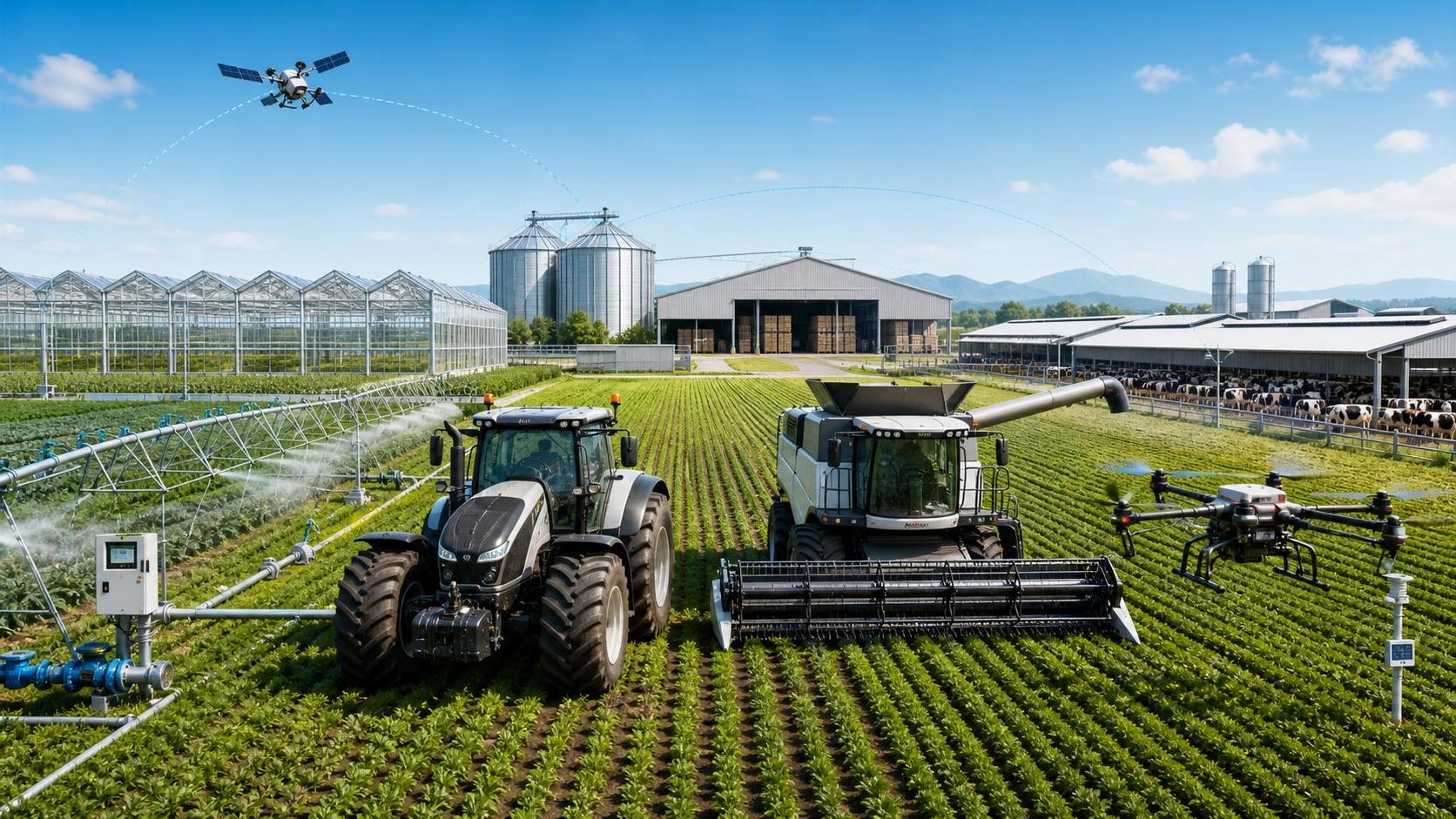
Comparing a smart farm machinery manufacturer is no longer a narrow equipment exercise. It is a business decision tied to output stability, labor efficiency, automation readiness, and long-term operating cost across crops, livestock, greenhouse, and digital farm systems.
A strong supplier may deliver more than tractors, combines, drones, or irrigation units. It may also shape data visibility, service speed, upgrade paths, and the practical return on every hectare, animal unit, or production cycle.
That is why the best comparison framework looks beyond brochures. It connects machine performance, software compatibility, field conditions, lifecycle support, and capital planning into one realistic evaluation process.
What a smart farm machinery manufacturer really provides
The term sounds straightforward, but the scope is wider than hardware assembly. A smart farm machinery manufacturer usually combines mechanical engineering with sensors, automation logic, control systems, and data integration.
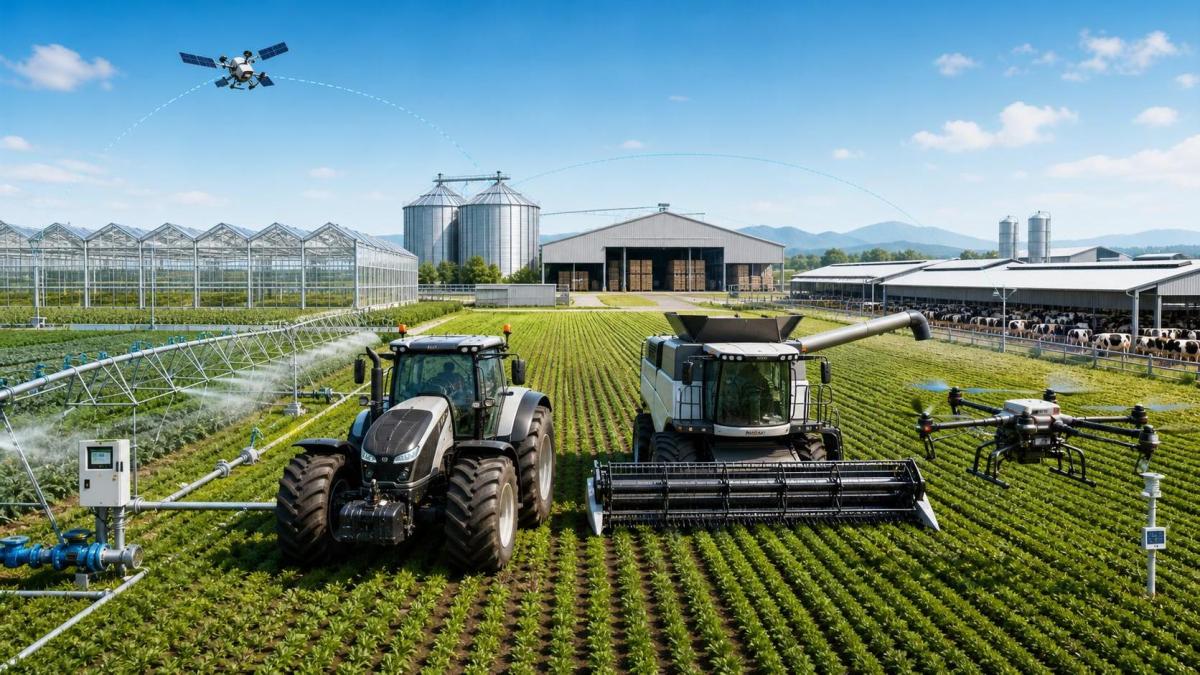
In practical terms, that can include high-horsepower tractors, RTK guidance, CVT transmissions, planters, combine harvesters, balers, precision spraying drones, greenhouse climate control, livestock feeding automation, and farm management platforms.
The comparison becomes more important as agricultural systems become connected. A machine that works well on paper may still create bottlenecks if it cannot share data, adapt to local conditions, or hold performance during critical seasons.
This broader view matters across the agricultural value chain. Exporters, large farms, greenhouse operators, livestock facilities, and investment groups often need one supplier picture that covers reliability, intelligence, and market readiness together.
Why comparison standards have become stricter
Agriculture now operates under tighter timing, higher input costs, and greater climate uncertainty. A delayed harvest, uneven application rate, or unstable greenhouse climate can erase expected gains very quickly.
That has changed the definition of value. Buyers are no longer comparing only horsepower, tank size, or rated capacity. They are comparing accuracy, uptime, automation quality, and system behavior under real workloads.
A smart farm machinery manufacturer should therefore be assessed against today’s operating pressures:
- Short harvest windows that demand high throughput and low downtime
- Labor constraints that increase the value of autonomous guidance and easier control
- Input efficiency goals linked to fertilizer, seed, water, and fuel use
- Digital reporting needs for traceability, benchmarking, and asset planning
- Expansion plans that require scalable platforms rather than isolated machines
Industry intelligence platforms such as SAMS are useful in this context because they connect machinery selection with application case analysis, ROI logic, and supplier visibility across multiple equipment categories.
Start with fit, not brand visibility
Well-known names may reduce perceived risk, but fit should come first. A smart farm machinery manufacturer must match the operational profile, not just the reputation level.
The first screening step is defining the actual use case. That includes crop type, field scale, terrain, working hours, connectivity conditions, operator skill level, and maintenance resources.
A 300-500 HP tractor platform, for example, should be judged differently from a drone spraying system or a greenhouse fertigation setup. Each one has different productivity risks, service demands, and integration expectations.
The same logic applies to livestock automation. A feeding robot or rotary milking platform may look advanced, but the relevant question is whether it improves consistency, reduces manual pressure, and supports herd management targets.
Useful screening questions
- Is the equipment designed for the same scale and workload as the target operation?
- Does the manufacturer have application history in similar regions or production systems?
- Can the system handle both current requirements and expansion over the next few years?
- Are software, sensors, and attachments compatible with the existing fleet or platform?
Compare performance where outcomes are measurable
The strongest evaluation points are those linked to operational results. That makes the comparison clearer and reduces the influence of generic marketing language.
For tractors, the focus may be fuel efficiency, traction stability, PTO performance, guidance accuracy, and operator workload. For combines, throughput, grain loss, threshing efficiency, and service access usually matter more.
For drones, terrain following, spray consistency, battery workflow, and mapping accuracy are central. In greenhouse systems, climate uniformity, fertigation precision, water savings, and sensor responsiveness become stronger indicators.
A smart farm machinery manufacturer should be able to support those claims with test data, field cases, and clear performance boundaries rather than broad statements about innovation.
Look closely at integration and intelligence depth
Not every connected machine is truly smart in a useful sense. Some systems collect data but do little with it. Others support prescription maps, remote diagnostics, machine vision, and farm-level coordination.
This is where a smart farm machinery manufacturer can differ sharply from a conventional equipment supplier. The question is not only whether software exists, but whether it improves decisions and reduces avoidable field variation.
Relevant indicators include RTK compatibility, NDVI map support, variable-rate application readiness, telematics dashboards, fault alerts, and data export options for external platforms.
In mixed operations, integration matters even more. A disconnected tractor, greenhouse controller, irrigation unit, and livestock platform may increase data volume while reducing actual management clarity.
Service capacity often decides the real winner
A machine can perform well in demonstrations and still become a weak investment if service response is slow. For seasonal agriculture, downtime risk is often more expensive than a higher purchase price.
A reliable smart farm machinery manufacturer should show evidence of parts availability, remote support, technical documentation, training structure, and dealer or regional service coverage.
This is especially important for advanced systems such as autonomous steering, sensor-driven spraying, climate control, and feeding automation. These systems depend on calibration, software updates, and troubleshooting discipline.
When comparing suppliers, it helps to ask for service metrics instead of promises. Response time, spare parts lead time, technician access, and upgrade policy usually reveal more than a polished presentation.
Support signals worth checking
- Regional inventory for critical parts
- Remote diagnostics and software support
- Commissioning and operator training procedures
- Maintenance schedules matched to local use intensity
- Documented case history after installation
Use total value, not purchase price, as the final filter
The lowest quote may not deliver the best financial result. Smart equipment should be judged by lifecycle economics, not by acquisition cost alone.
That includes fuel or power consumption, labor savings, maintenance frequency, consumable efficiency, software fees, resale strength, and revenue protection during critical operating windows.
For example, a higher-priced combine with lower grain loss may outperform a cheaper model very quickly. The same applies to a drone platform that reduces chemical waste or a greenhouse system that stabilizes climate and yield.
This is where market analysis and application interpretation become useful. SAMS-style supplier comparison is valuable because it links equipment claims to practical performance, CAPEX logic, and per-acre return rather than isolated specifications.
A practical way to move from comparison to decision
A good evaluation process usually narrows the field in stages. Start with operational fit. Then compare measurable performance, intelligence depth, support quality, and lifecycle cost under the same assumptions.
Shortlists become stronger when they are built around real scenarios: harvest surge periods, large-acre guidance accuracy, greenhouse water control, livestock feeding routines, or multi-site fleet visibility.
Before choosing a smart farm machinery manufacturer, align the comparison sheet with actual production risks. That makes technical differences easier to judge and prevents overpaying for features that will not be used.
The next step is simple but important: document the required outcomes, request evidence against those outcomes, and compare manufacturers on the same operational basis. That approach produces better decisions than brand-led selection alone.
Related Intelligence