
How automated livestock scheduling reduces missed feeding tasks
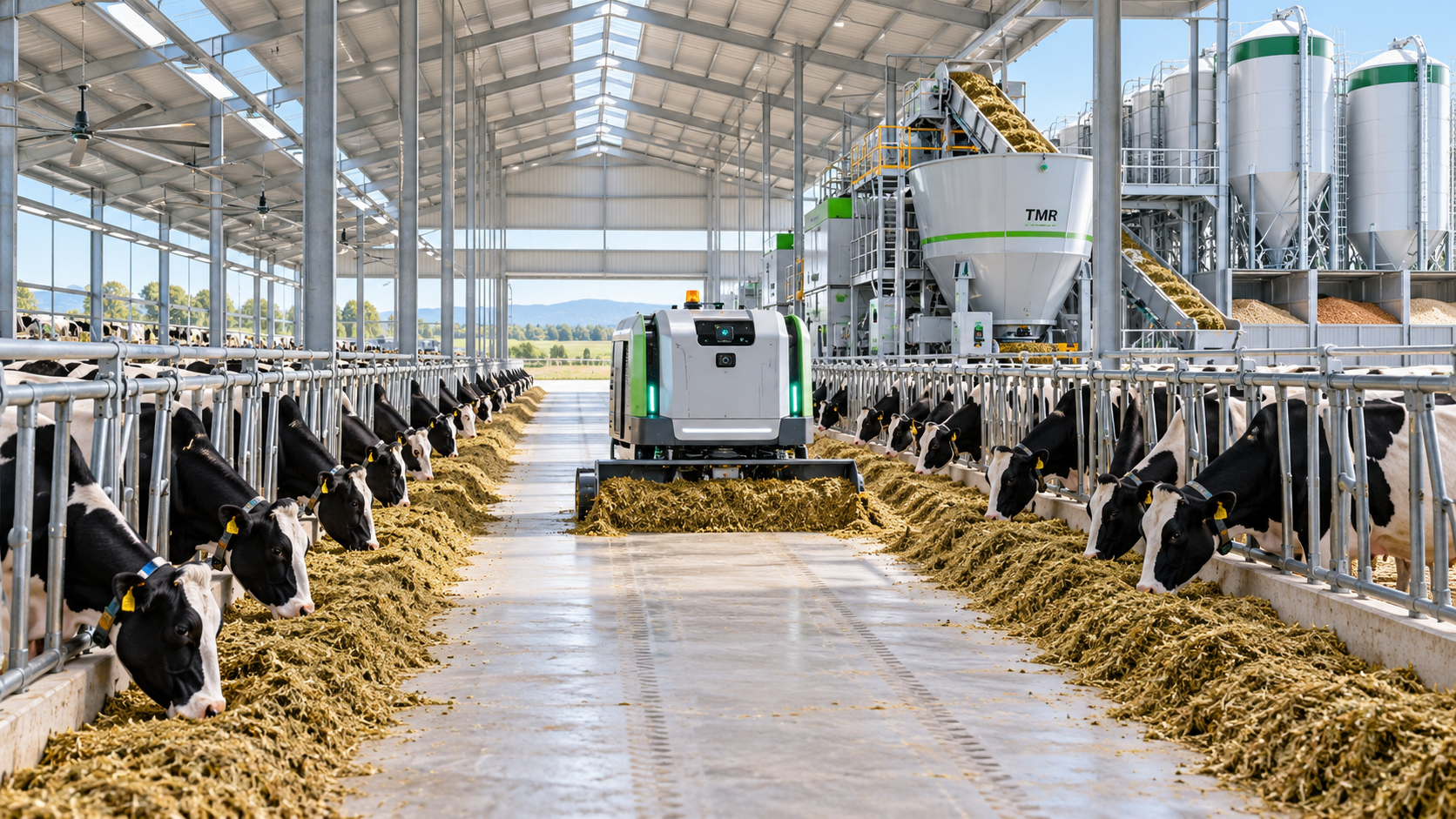
How Automated Livestock Scheduling Reduces Missed Feeding Tasks
Automated livestock scheduling helps farm operators keep feeding routines consistent, even during busy shifts, staff shortages, or changing herd demands across different animal groups.
By coordinating feed delivery, ration timing, equipment status, and task alerts, these systems reduce missed feeding tasks while improving labor visibility and animal care.
For livestock operators, the main value is practical: fewer forgotten tasks, clearer priorities, faster response to disruptions, and more reliable daily feeding execution.
Automated livestock scheduling is most useful when it supports operators rather than replacing judgment, especially on farms with multiple barns, rations, shifts, or feeding systems.
Why feeding tasks are missed on working livestock farms
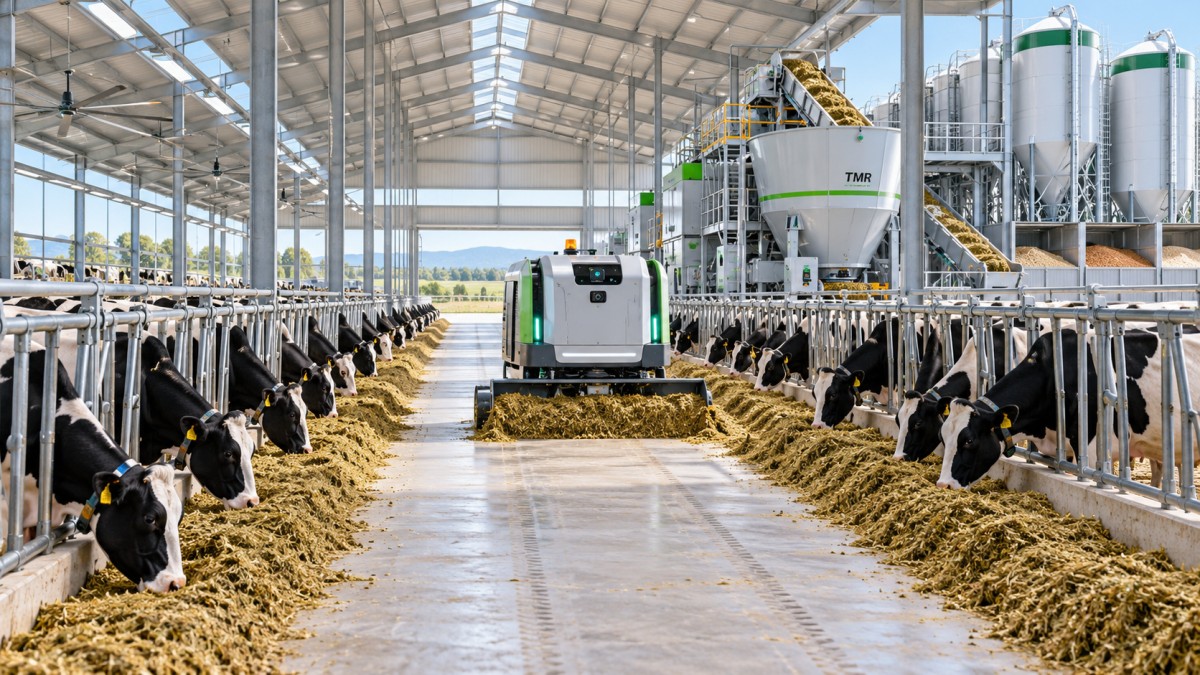
Missed feeding tasks rarely happen because operators do not understand their importance. They usually result from competing priorities, unclear handovers, equipment interruptions, or rapidly changing daily conditions.
A feeding routine can appear simple on paper, yet actual operations involve ingredient availability, animal movement, weather changes, cleaning requirements, repairs, health checks, and staff coordination.
When one person is responsible for several barns or production groups, a delayed ration mix can become a forgotten delivery without a visible system prompt.
Shift changes create another common weakness. One operator may assume the next person completed a task, while the next person believes it remains unfinished.
Paper checklists can help, but they often become unreliable when schedules change. Notes may be misplaced, incompletely updated, or unavailable to workers in another location.
Feeding robots, TMR mixers, conveyors, and feed pushers also introduce operational dependencies. A scheduled task cannot be completed if machinery requires attention or ingredients run short.
Even a short delay can matter. Cattle, dairy cows, poultry, swine, and other livestock respond to consistent routines, particularly when production demands are high.
In dairy operations, delayed feed availability may affect intake patterns, sorting behavior, cow traffic, rumen stability, and ultimately milk production performance over time.
For operators, the key issue is not simply whether a task was scheduled. It is whether the farm can verify that it occurred correctly.
That distinction makes automated livestock scheduling valuable. It creates a shared, time-based record of planned work, completed work, exceptions, and outstanding actions.
How automated livestock scheduling creates a more reliable feeding workflow
An automated livestock scheduling system converts recurring farm activities into visible operational tasks. It assigns timing, location, responsible personnel, equipment, and completion status for each activity.
Instead of relying on memory, operators receive a structured daily sequence. The system can display what must happen now, what is due next, and what needs follow-up.
For feeding, schedules may include ration preparation, ingredient loading, mixer operation, delivery order, feed push-up intervals, bunk checks, and leftover feed assessment.
Each task can be linked to a specific animal group. This prevents a generic instruction such as “feed cattle” from hiding differences between fresh cows, heifers, calves, or finishing groups.
Time windows are more practical than rigid timestamps in many farms. Operators need enough flexibility to manage normal variation without allowing essential tasks to disappear.
A system might mark a feeding task as due within a defined period, then escalate alerts if the task remains incomplete after that period closes.
Escalation matters because missed work is easier to correct early. A supervisor can intervene before animals experience a long delay or the next feeding activity is disrupted.
Completion records also reduce uncertainty. Workers can confirm that a ration was delivered, while managers can see whether delays were isolated or becoming routine.
When connected equipment provides data, automated livestock scheduling can compare planned events with machine activity. This gives operators stronger evidence than a manual checkbox alone.
For example, a feeding robot may report completed routes, while a mixer may record batch weight, loading sequence, mixing duration, and discharge activity.
Start with the feeding tasks that carry the highest operational risk
Not every farm task requires the same level of scheduling control. Operators should first automate activities where missing or delaying work creates clear animal welfare or production risk.
Primary feed delivery is usually the first priority. The schedule should identify each group, ration type, expected delivery window, and responsible operator or machine.
Feed push-up is another high-value task, especially in dairy barns. Consistent access helps cows reach feed more easily and can support steadier intake behavior.
Fresh feed inspections should also be scheduled. Operators need prompts to check whether feed is available, whether sorting is visible, and whether bunk conditions require correction.
Water system checks belong in the same operational view. Animals may still receive feed, but inadequate water access can quickly reduce intake and undermine performance.
Ingredient inventory checks become important where rations depend on several stored materials. A missing ingredient can cause late mixing or unplanned changes to formulation.
Calf and young-stock feeding may require tighter task control because smaller animals can be more sensitive to inconsistent feeding timing and preparation errors.
Medication-related feed procedures should use separate verification steps. Operators must not assume that a completed delivery confirms the correct product, dose, or target group.
Equipment cleaning and maintenance tasks also protect feeding reliability. A mixer inspection or robot cleaning task may prevent a later failure during a critical feeding window.
By prioritizing these activities, farms avoid building an oversized digital checklist. The goal is to control consequential work, not create unnecessary administrative burden.
Use alerts that help operators act instead of creating alarm fatigue
Alerts are central to automated livestock scheduling, but excessive notifications can make operators ignore messages. The system should distinguish between routine reminders and urgent exceptions.
A normal reminder may appear when a feed push-up window opens. An urgent alert should be reserved for a missed primary feeding task or equipment failure.
Alert recipients should match responsibility. Sending every notification to every employee creates confusion, while targeted alerts make ownership clearer during demanding shifts.
Many farms benefit from an escalation chain. The assigned operator receives the first alert, followed by a lead operator or manager when action is delayed.
Alerts should include useful context. A message stating “feeding overdue” is less helpful than one identifying the barn, animal group, ration, and lateness duration.
Mobile access is particularly important for operators working across large sites. A dashboard in the office cannot prevent missed tasks when staff spend most of the day outdoors.
However, mobile alerts should not encourage unsafe multitasking. The system should support quick confirmation after work is completed, not distract operators while driving machinery.
Operators should be able to record a reason for delay, such as equipment repair, blocked access, ingredient shortage, animal handling, or a changed feeding plan.
Those reasons turn schedule data into useful improvement information. Repeated delays can reveal a labor bottleneck, an unreliable machine, or an unrealistic task window.
Review alert settings after the first few weeks. Farms often find that some notices need tightening, while others should be combined or removed entirely.
Connect schedules with feeding equipment and real farm conditions
Automated livestock scheduling becomes more powerful when it connects with equipment data, but integration should solve an operating problem rather than exist for technical novelty.
A TMR mixer connection can confirm that a batch was mixed and discharged. It may also help operators compare actual batch weights with the intended ration plan.
Feeding robots can supply route completion data, battery status, obstacle alerts, and feeding frequency records. These inputs help identify incomplete or delayed feed delivery cycles.
Feed inventory systems can trigger warnings before a critical ingredient reaches a minimum level. This gives the team time to arrange supply or adjust approved plans.
Animal monitoring data can add context. Changes in rumination, activity, milk yield, or feed intake may indicate that feeding timing or availability needs investigation.
Still, operators should avoid assuming that connected machines always prove successful feeding. A machine can complete a route while feed access remains affected by physical conditions.
Regular bunk observations remain essential. Operators should check feed distribution, refusal patterns, sorting, spoiled material, and whether all groups can comfortably access feed.
Weather and facility conditions also affect schedules. Extreme heat, frozen equipment, mud, power interruptions, and ventilation problems may require revised work priorities.
The best systems allow authorized users to adjust schedules without losing traceability. Staff should see what changed, why it changed, and who approved it.
This balance between automation and practical observation helps farms use data without losing the local knowledge that experienced livestock operators bring every day.
Build better handovers between shifts and farm teams
Feeding reliability often depends on communication more than technology. Automated livestock scheduling gives teams a common record that reduces assumptions during shift changes.
At handover, the incoming operator should see completed tasks, overdue items, delayed work, equipment warnings, ration changes, and notes requiring immediate attention.
A clear status view is especially useful when feeding responsibility moves between livestock staff, machinery operators, nutrition teams, and maintenance personnel during the same day.
Task ownership should be explicit. A schedule needs to identify whether one person completes work, verifies it, or responds when an automated system reports an exception.
Shared visibility can also reduce unnecessary phone calls. Operators can check task status directly instead of interrupting colleagues to confirm whether feeding has happened.
For farms with temporary workers, a structured schedule provides guidance without assuming deep knowledge of every animal group, building layout, or standard operating procedure.
Training remains necessary. Staff need to understand that confirming a task means the work was genuinely completed, not merely that someone intended to complete it.
Supervisors should review missed tasks without using the system only as a disciplinary tool. The aim is to identify process weaknesses before they affect livestock.
When workers trust that accurate reporting leads to practical support, they are more likely to document delays and exceptions rather than conceal them.
That transparency makes automated livestock scheduling a management tool for daily improvement, not simply another source of compliance paperwork for busy operators.
Measure whether scheduling is actually improving feeding consistency
Installing a scheduling platform does not automatically improve results. Operators and supervisors should track a small set of measures that show whether feeding reliability is changing.
The most direct measure is on-time task completion. Farms can compare the percentage of feeding tasks completed within their intended time windows before and after implementation.
Missed-task frequency is equally important. A system should distinguish between a late task, an intentionally rescheduled task, and a task that was never completed.
Reviewing delay reasons helps the farm focus improvement work. Frequent machine-related delays may justify maintenance action, spare parts planning, or revised equipment capacity.
Labor timing can also reveal value. Operators may spend less time locating information, checking assumptions, and responding to preventable confusion between team members.
Animal performance indicators provide supporting evidence rather than a simple proof of causation. Feed intake, milk output, growth, health observations, and refusals should be reviewed together.
Do not judge the system only by dashboard activity. The important question is whether the schedule helps people complete essential feeding work more consistently under real conditions.
A useful monthly review can identify the most common exceptions, assess whether alerts were effective, and adjust task windows for seasonal or operational changes.
What operators should look for when choosing a scheduling system
For working livestock teams, usability matters more than a long feature list. The system should make today’s work easier to understand during a busy shift.
Look for a clear mobile interface, simple task completion steps, offline capability where connectivity is weak, and role-based access for operators, managers, and technicians.
The platform should support recurring schedules as well as changes for animal movements, revised rations, weather disruptions, maintenance events, and emergency feeding procedures.
Equipment integration is useful when it is dependable and understandable. Ask what data is collected, how exceptions are displayed, and whether manual verification remains possible.
Reporting should be practical. Operators need short daily views, while supervisors need trend reports that expose recurring delays, repeated missed tasks, and unresolved equipment issues.
Implementation support is important because feeding routines differ among farms. A provider should help map actual workflows instead of forcing every site into a generic template.
Start with one barn, one production group, or one high-risk feeding process. Early use should refine task definitions and alert rules before wider deployment.
A successful automated livestock scheduling system is not the most complicated platform. It is the one that workers consistently use to prevent important work from being missed.
Conclusion: reliable feeding depends on visible, accountable routines
Automated livestock scheduling reduces missed feeding tasks by making responsibilities, timing, status, and exceptions visible before small delays become larger operational problems.
Its strongest benefit is not automation for its own sake. It gives operators a dependable way to organize feeding work during busy, variable, and labor-constrained conditions.
Farms should focus first on critical feed delivery, feed access, equipment readiness, and shift handovers, then build integrations and reporting around proven daily workflows.
When schedules remain practical, alerts remain relevant, and workers can record real conditions, livestock automation supports more consistent feeding and more confident daily decisions.
Related Intelligence