
CIAME Asia Vietnam Opens Visitor Registration
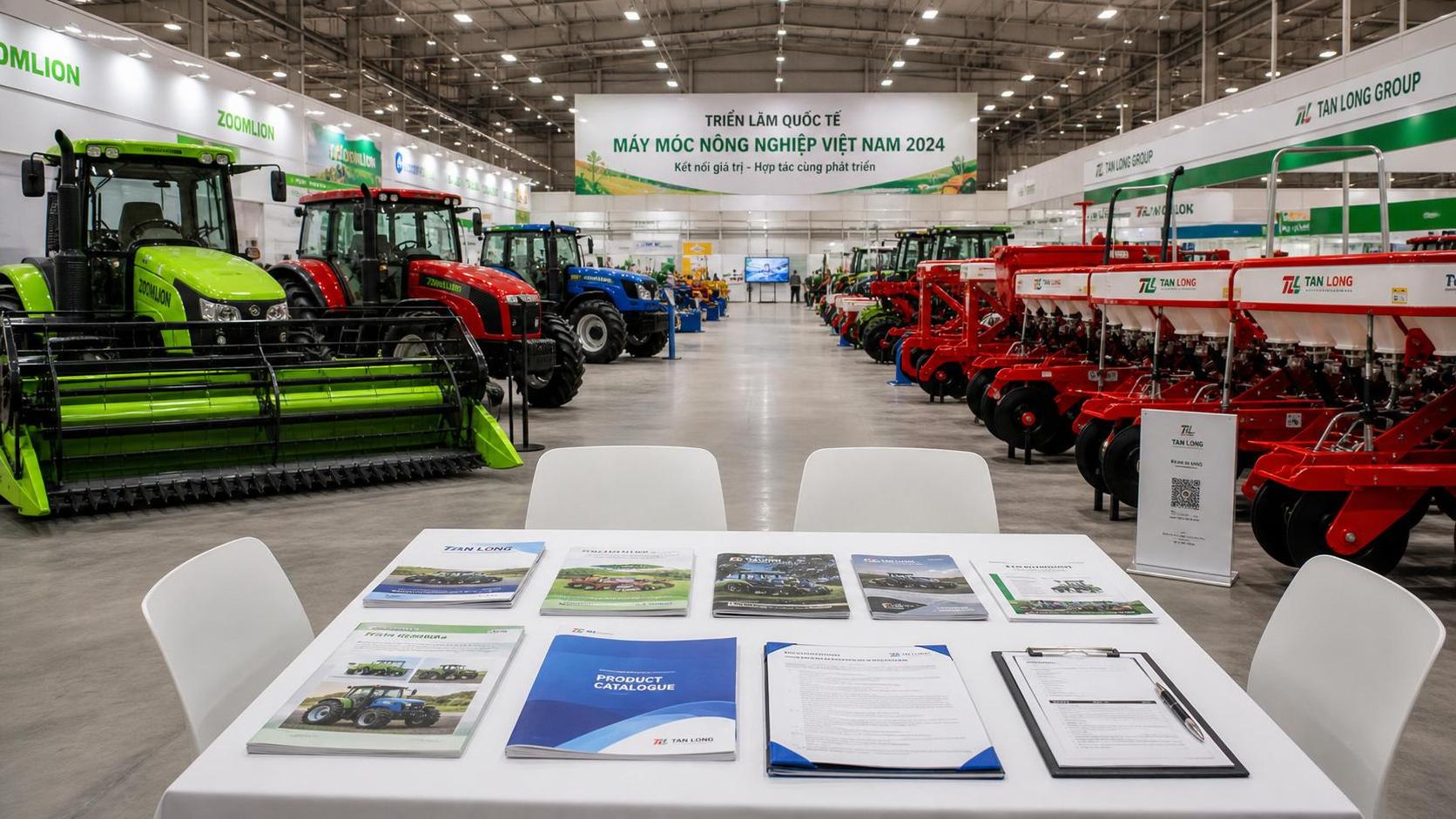
On June 15, 2026, organizers opened visitor registration for CIAME Asia Vietnam 2026, with official support from the Vietnam Cooperative Alliance (VCA). For companies involved in agricultural machinery, distribution, sourcing, and market expansion in Vietnam, the development is worth close attention because it signals that a large, organized group of end buyers with purchasing authority is being mobilized into one exhibition channel rather than reached through fragmented outreach.
What Has Been Officially Announced
The confirmed information is limited but commercially meaningful. The organizer stated that the visitor registration system for CIAME Asia Vietnam 2026 is now open. The event has received official support from VCA, which will organize targeted attendance by leaders and procurement representatives from 36,000 cooperatives under its network.
According to the provided event summary, VCA covers more than 70% of Vietnam’s specialized agricultural cooperatives and represents the country’s largest cluster of end buyers with the strongest purchasing decision-making authority. Based on the same summary, this creates a ready-made B2B matching channel for overseas exhibitors that is described as more precise and potentially higher in conversion than broader, less targeted visitor acquisition.
Why This Matters Across the Value Chain
A more concentrated route to end-demand
From an industry perspective, exporters and machinery brands may be affected first because the registration launch is not only an event milestone; it also indicates that buyer organization is being structured early. The impact is likely to be felt in lead generation, meeting preparation, product positioning, and sales prioritization, especially for companies seeking direct access to decision-makers rather than general traffic.
Stronger implications for channels and local market development
Distributors, channel operators, and market-entry teams should also pay attention. Analysis shows that when cooperative leaders and procurement representatives are invited in a targeted way, discussions at the exhibition are more likely to move beyond brand exposure and toward product fit, purchasing requirements, and local distribution cooperation. What deserves closer attention is whether companies are prepared to translate exhibition interest into follow-up commercial processes.
Pressure on service and delivery readiness
Supply chain service providers and after-sales support teams may also feel indirect effects. Observably, a more concentrated buyer audience increases the importance of readiness around quotations, technical communication, documentation, delivery expectations, and post-meeting response speed. The event itself does not confirm transaction outcomes, but it does raise the operational importance of pre-show coordination and post-show execution.
What Companies Should Watch Next
Follow any update in official event rules or visitor organization details
Companies should closely track whether organizers release more detailed guidance on registration rules, matchmaking arrangements, or buyer participation formats. Analysis shows that the value of a targeted audience depends not only on who is invited, but also on how meetings are structured and how access is managed.
Prepare for buyer conversations, not just booth visibility
For exhibitors, the practical issue is whether commercial materials are ready for procurement-level discussions. What deserves closer attention is the ability to present product information, supply capability, delivery timelines, and supporting documents in a way that fits a buyer group with actual purchasing authority.
Separate event momentum from confirmed business results
Observably, the opening of visitor registration and the mobilization of cooperatives are strong market signals, but they are not the same as completed orders or finalized partnerships. Companies should distinguish between a high-quality opportunity pipeline and realized business outcomes when allocating budgets, staff time, and follow-up resources.
Plan post-exhibition follow-up in advance
Because the stated advantage of this development lies in precision and conversion potential, the real test for participating companies may come after meetings take place. From an industry perspective, follow-up workflows, customer communication, document readiness, and internal response timing may be just as important as exhibition-day activity.
How This Signal Should Be Read for Now
Analysis shows that this news is best understood as an early-stage but concrete market-access signal rather than a finished result. The confirmed facts point to organized buyer mobilization around a major agricultural machinery exhibition in Vietnam, and that alone changes how suppliers may evaluate the event’s commercial relevance.
At the same time, it is more appropriate to understand this as a development that still requires observation. The current information confirms the opening of registration and the scale of targeted cooperative outreach, but it does not yet confirm attendance quality in practice, deal flow, or downstream purchasing outcomes.
What the Update Ultimately Indicates
In practical terms, this development suggests that CIAME Asia Vietnam 2026 is building a more structured bridge between exhibitors and organized end buyers in Vietnam’s agricultural sector. For machinery suppliers, channel partners, and service providers, the significance lies less in headline scale alone and more in the concentration of purchasing authority within the invited audience.
A neutral reading is that the announcement marks a meaningful short-term change in exhibition access conditions and a longer-term signal worth monitoring for companies evaluating Vietnam-related business opportunities. At this stage, it is more appropriate to treat it as a commercially relevant industry development with potential, rather than as proof of finalized market results.
Basis of This Article
This article is generated from the user-provided news title, event date, and event summary. The factual basis includes the announced opening of visitor registration for CIAME Asia Vietnam 2026 on June 15, 2026, the official support from VCA, and the stated targeted invitation of 36,000 cooperatives through that network.
For this type of industry update, commonly relevant source categories would include official event announcements, company statements, industry association information, authoritative media reports, and standard-setting or institutional documents where applicable. A specific official source link was not provided in the input, so further verification remains necessary. Continued observation should focus on later official updates regarding participation arrangements, buyer organization details, and any concrete post-event business follow-through.
Related Intelligence