
Autonomous Harvesting Orchards: Costs, ROI, and Adoption Risks
Autonomous Harvesting Orchards: Costs, ROI, and Adoption Risks
Autonomous harvesting orchards are moving from pilot projects to boardroom discussions as growers confront rising labor costs, tighter harvest windows, and pressure to improve per-acre returns. For business decision-makers, the real question is not only whether orchard automation works, but how equipment costs, ROI timelines, integration complexity, and operational risks compare with conventional harvesting models.
If you are evaluating autonomous harvesting orchards from a procurement or investment angle, skip the broad promises for a moment. The practical work starts with a checklist: what exactly is being automated, what labor is actually removed, what bottlenecks remain, and how quickly the system can pay back under your orchard conditions rather than in a controlled demo block.
Start by defining the harvest problem, not the machine category
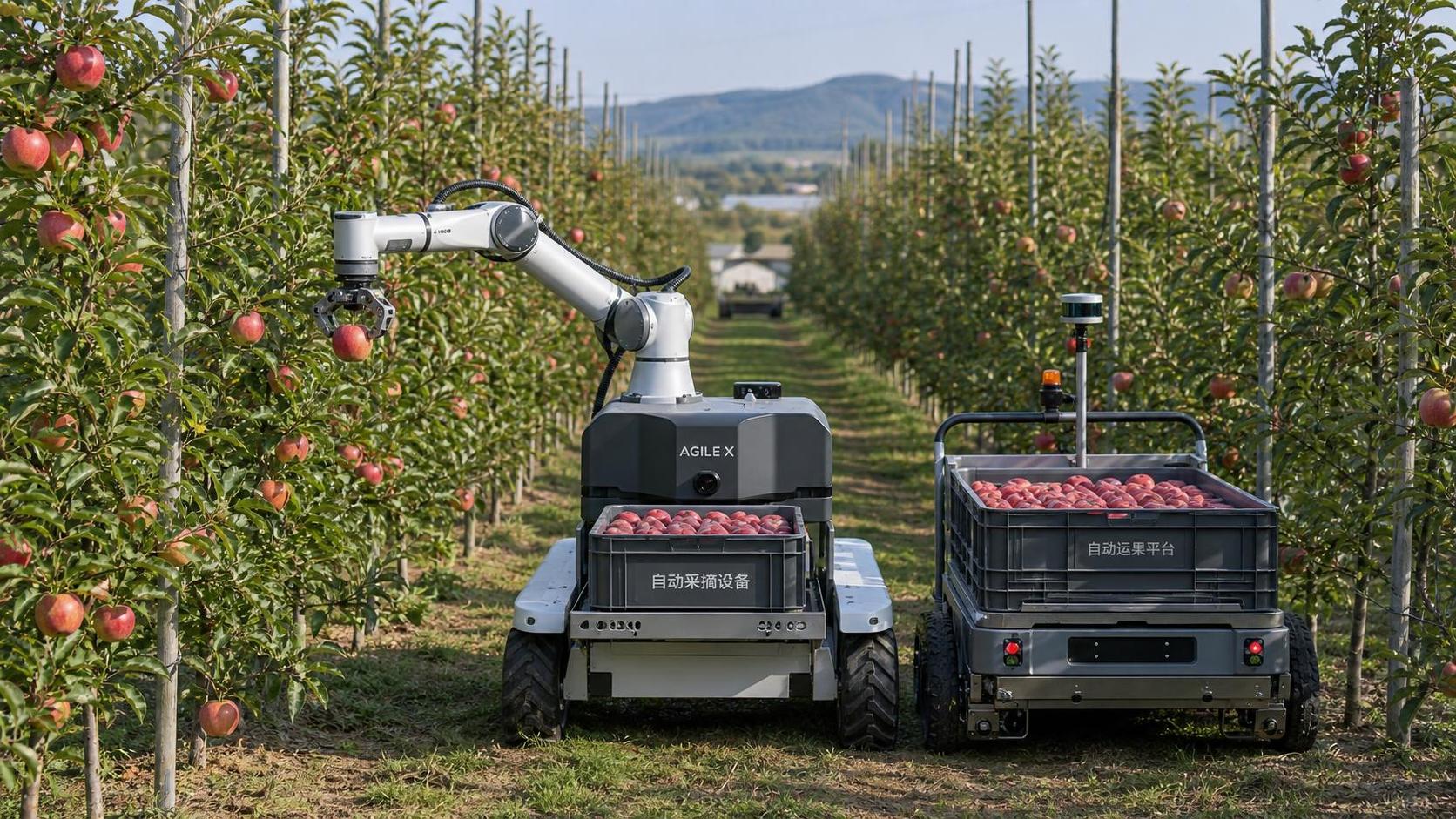
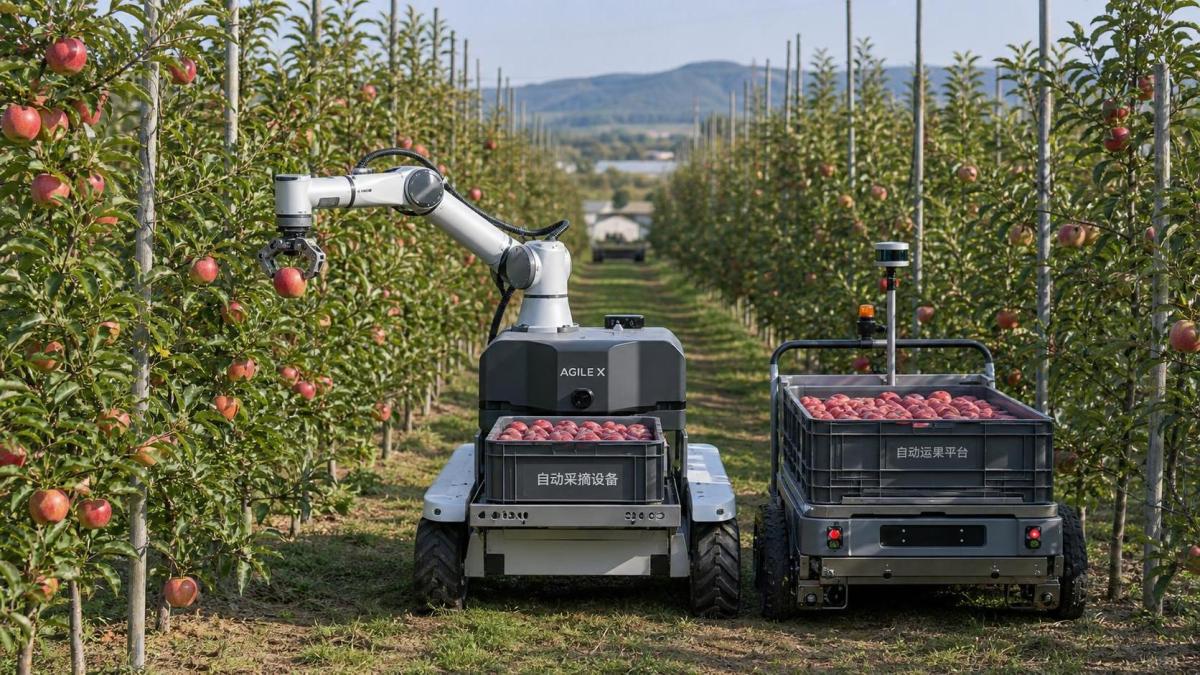
A common buying mistake is to treat orchard automation as one product decision. In practice, “autonomous harvesting orchards” can mean several different things: robotic fruit picking, autonomous platforms moving bins, self-driving orchard carriers, machine vision-assisted sorting in the field, or semi-autonomous systems that still depend on a human crew for picking and supervision.
Those are not the same CAPEX decision, and they do not solve the same labor problem.
- If your main pain point is picker scarcity during a short harvest window, focus on systems that materially reduce hand-picking dependence.
- If harvest labor is available but logistics are failing, autonomous transport platforms and bin handling may deliver faster ROI than full picking robots.
- If fruit damage or uneven maturity is driving losses, machine vision and selective picking accuracy matter more than travel autonomy alone.
Before asking for quotations, write down the current harvest workflow in plain numbers: labor hours per acre, bins per shift, fruit loss, bruising claims, overtime, contractor rates, and the revenue impact of delayed harvest. Without that baseline, every ROI discussion turns vague very quickly.
Check whether your orchard layout is automation-ready
This is where many projects get slowed down. Not because the robotics are bad, but because the orchard was never designed for them.
Tree architecture, row spacing, canopy density, slope, headland turning space, trellis consistency, and fruit visibility all affect machine performance. Systems that look convincing in modern, uniform, high-density orchards can struggle in older mixed blocks with inconsistent tree shape and tight access.
Ask suppliers to evaluate your actual orchard profile, not a generic crop category. Apples in one production system can be a very different automation case from apples in another. The same goes for citrus, stone fruit, and pears.
Useful screening questions:
- What row widths and turning radii are required?
- How does the system handle uneven terrain, mud, dust, or low-light harvest conditions?
- What canopy and fruit-visibility assumptions were used in prior deployments?
- Does performance change materially between trained orchards and conventional canopies?
If the supplier cannot answer in orchard-design terms, they are probably still selling the concept rather than a mature deployment model.
Separate headline price from total deployed cost
For procurement teams, the machine quote is only the beginning. Total cost usually includes site assessment, software licensing, communications infrastructure, charging or fueling setup, operator training, service coverage, spare parts, and sometimes orchard modifications.
That matters because autonomous harvesting orchards are often justified on labor savings alone, while the real cost stack sits elsewhere.
Procurement teams should ask for a five-year cost model, not just machine price and a maintenance percentage. If software or autonomy features depend on annual subscriptions, get that in writing early.
Be strict about the ROI formula
A credible ROI case for autonomous harvesting orchards usually combines several factors: reduced seasonal labor expense, lower overtime, better harvest timing, lower fruit loss, fewer unpicked rows, and possibly longer daily operating windows. But not every orchard will capture all of them.
What you want from suppliers is not a generic payback claim. You want assumption transparency.
- What picking rate is assumed per hour?
- What fruit quality level is required for that rate?
- How much human supervision is still needed per machine?
- What annual utilization is required to hit the claimed payback?
- Does ROI depend on using the same machine across multiple varieties or sites?
This last point is usually underappreciated. If equipment can only operate efficiently for a short harvest period in one crop window, capital utilization may be weaker than expected. Large operators with multiple orchards or staggered varieties often have a better automation business case than single-site growers with concentrated harvest timing.
Do a downside scenario as well. Model slower picking speed, one missed harvest week due to technical issues, and higher-than-planned supervision labor. If the project still makes sense, the investment case is more durable.
Look hard at labor substitution claims
Many systems do not eliminate labor; they reconfigure it. That can still be valuable, but the budget logic changes.
For example, a robotic harvester may reduce the number of skilled pickers needed in the row while increasing demand for technicians, machine attendants, or QC staff. For management, that is often easier to handle than seasonal labor volatility, but it is not “labor-free harvesting.”
Ask for a labor map of the future workflow:
- How many people are removed from the field crew?
- How many people are reassigned to support, transport, supervision, sorting, or service?
- What training level is needed, and who provides it?
For board-level approval, this distinction matters because payroll savings, risk reduction, and staffing mix are different financial stories.
Don’t ignore fruit quality and packout risk
A harvesting system that moves fast but increases bruising, stem pulls, skin damage, or missed maturity selection can erase the labor savings very quickly. This is especially important in fresh-market fruit where packout and grade drive margin more than harvesting speed alone.
Ask suppliers what quality metrics they track and how those results were measured. If performance data comes from trials, verify whether those trials reflect your fruit type, training system, and destination market. Processing fruit and premium export fruit are not interchangeable use cases.
If there is no independently structured quality comparison available, mark that as 【待核实】 in your internal evaluation.
Service capacity often decides the real adoption risk
In field machinery procurement, buyers often focus on machine capability first and support second. With autonomous systems, that order should be reversed during final due diligence.
A harvest robot down for two days in peak window is not the same as a conventional unit waiting for service in the off-season. Response time, software diagnostics, local parts, and dealer competence become revenue protection issues.
Push on these points:
- Is there local service coverage or only factory remote support?
- Which components are field-replaceable?
- What is the spare-parts lead time during harvest season?
- What uptime commitment, if any, is contractually defined? 【待核实】 if only discussed verbally.
Check the safety, liability, and compliance side early
Autonomy in orchards raises practical questions around worker interaction, supervised operation, emergency stopping, transport between blocks, and insurance treatment. Requirements vary by market, and buyers should not assume that a machine demonstrated in one country can be deployed under the same operating model elsewhere.
Rather than guessing, involve your insurer, legal team, and safety manager before PO stage. Ask the vendor for documented safety architecture, operator training requirements, and any market-specific compliance information they can formally provide. Where certifications or regulatory status are cited, request the original documents and verify applicability to your market. Do not rely on brochure wording.
Pilot in commercial conditions, not demo conditions
This sounds obvious, but it is one of the biggest gaps between interest and successful adoption. A controlled demonstration can prove functionality. It does not prove commercial fit.
A useful pilot should include real shift lengths, real crew interactions, actual fruit handling, normal orchard variability, and the same packhouse quality standards you use in production. Track downtime, reset frequency, supervision hours, harvested volume, defect rate, and turnaround between blocks.
If possible, test during the harvest period that actually hurts your business most. That is where ROI either survives contact with reality or it does not.
A short procurement checklist that keeps discussions grounded
- Define whether you need picking automation, logistics automation, or both.
- Benchmark current labor, losses, and timing costs before reviewing proposals.
- Confirm orchard compatibility by block, not by crop label.
- Request full deployed-cost visibility over at least five years.
- Stress-test ROI assumptions under slower and more expensive operating scenarios.
- Evaluate fruit quality impact with the same seriousness as labor savings.
- Verify service depth, parts support, and downtime response before signing.
- Treat safety, liability, and compliance as commercial requirements, not later admin work.
- Run pilots under real harvest pressure and document results in your own operating terms.
For most buyers, the best autonomous harvesting orchards decision is not the most advanced machine on paper. It is the system that fits orchard design, protects fruit quality, has support behind it, and still makes financial sense when the assumptions get less optimistic. That is usually where disciplined procurement teams separate useful automation from expensive experimentation.
Related Intelligence