
Poultry Farm Equipment Cost in 2026: Supplier Questions That Matter
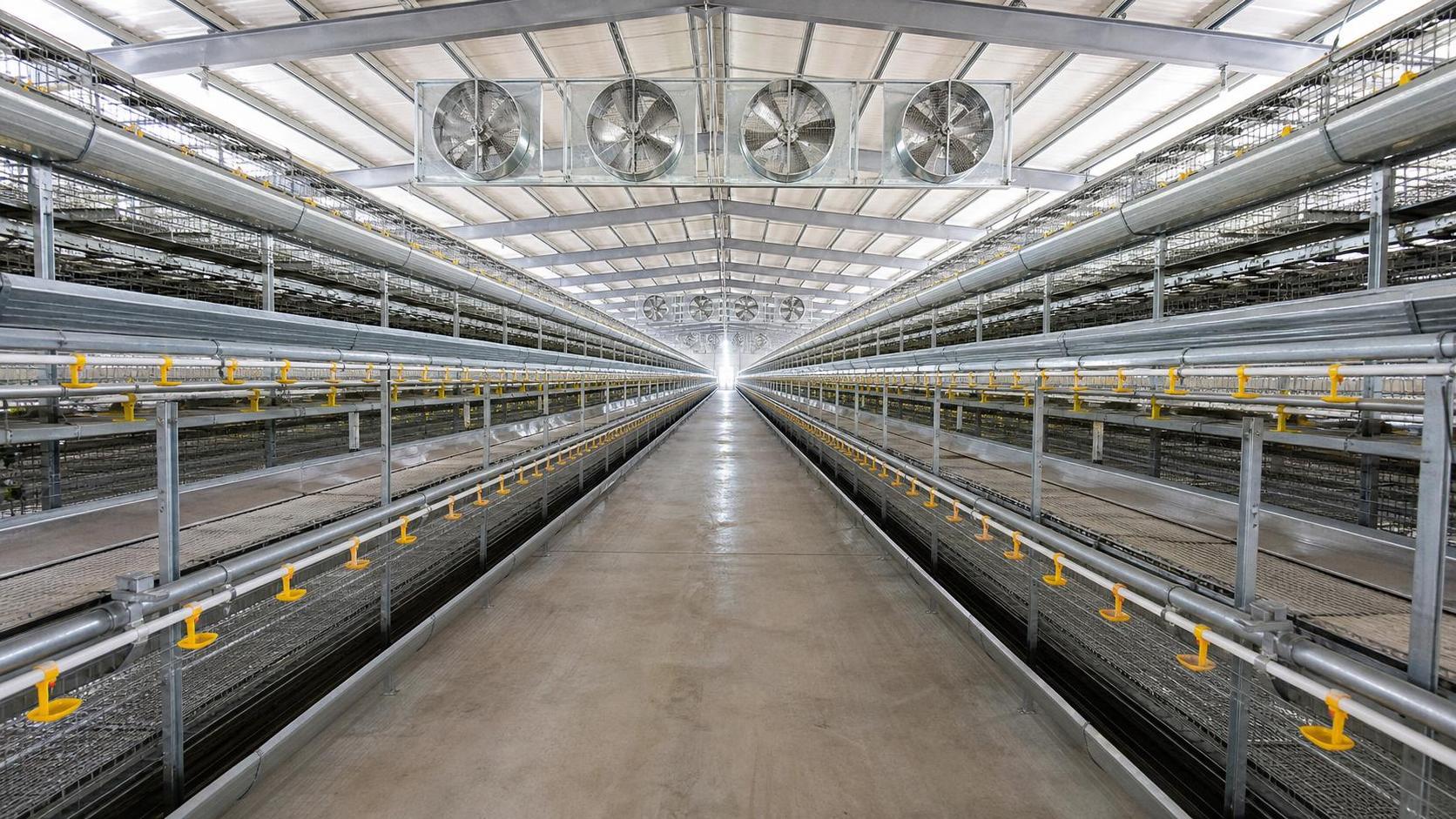
Why Equipment Cost Has Become a Strategic Question
In 2026, the cost of poultry farm equipment is no longer a narrow budgeting issue handled only by farm owners or project engineers. It has become a broader business concern tied to expansion timing, labor availability, energy use, biosecurity expectations, and long-term operational reliability. For procurement teams, distributors, and commercial evaluators, the most useful question is not simply how much a feeding line, cage system, ventilation unit, or drinking system costs on paper. The more important question is what the full investment is likely to mean over the life of the project.
This matters because poultry operations are under pressure from several directions at once. In many markets, producers are trying to increase output while controlling labor dependency. At the same time, buyers are more alert to sanitation standards, production consistency, and maintenance demands. Equipment decisions therefore influence not only initial spending but also bird performance, downtime risk, staffing needs, and future upgrade flexibility. A lower quotation can still produce a higher total burden if parts wear quickly, installation is inefficient, or technical support is weak.
That is why supplier conversations in 2026 need to go deeper than a model list and a unit price. A serious purchase review should connect equipment cost to system design, facility conditions, operating targets, and service structure. When that discussion is handled well, buyers are better positioned to compare offers that may look similar at first glance but carry very different commercial outcomes.
What Usually Drives the Final Cost
Many buyers begin with equipment categories such as feeding, drinking, climate control, manure removal, egg collection, brooding, or housing structure. That is useful, but it only captures part of the cost picture. In many scenarios, final expenditure is shaped by a mix of technical and operational variables that are easy to underestimate during early sourcing.
System scale is one of the clearest factors. A small upgrade in an existing house may require only selective replacement, while a new integrated project often involves coordinated purchasing across multiple systems. The larger the project, the more important compatibility becomes. Equipment that does not align well across power requirements, layout dimensions, or control logic can create hidden spending during installation and commissioning.
Material quality also has a major effect. Galvanized steel quality, motor durability, controller stability, pipe thickness, corrosion resistance, and component finish may all influence service life. In harsh environments with humidity, dust, chemical exposure, or temperature variation, lower-grade materials may lead to faster replacement cycles. What appears economical during quotation review may become expensive when maintenance intervals shorten.
Another cost driver is the level of automation. Automated feeding, environmental monitoring, and manure handling can reduce labor pressure and improve consistency, but the investment logic depends on local operating conditions. In some cases, partial automation offers the best balance between capital control and efficiency. In others, labor scarcity or strict consistency targets may justify a more advanced setup.
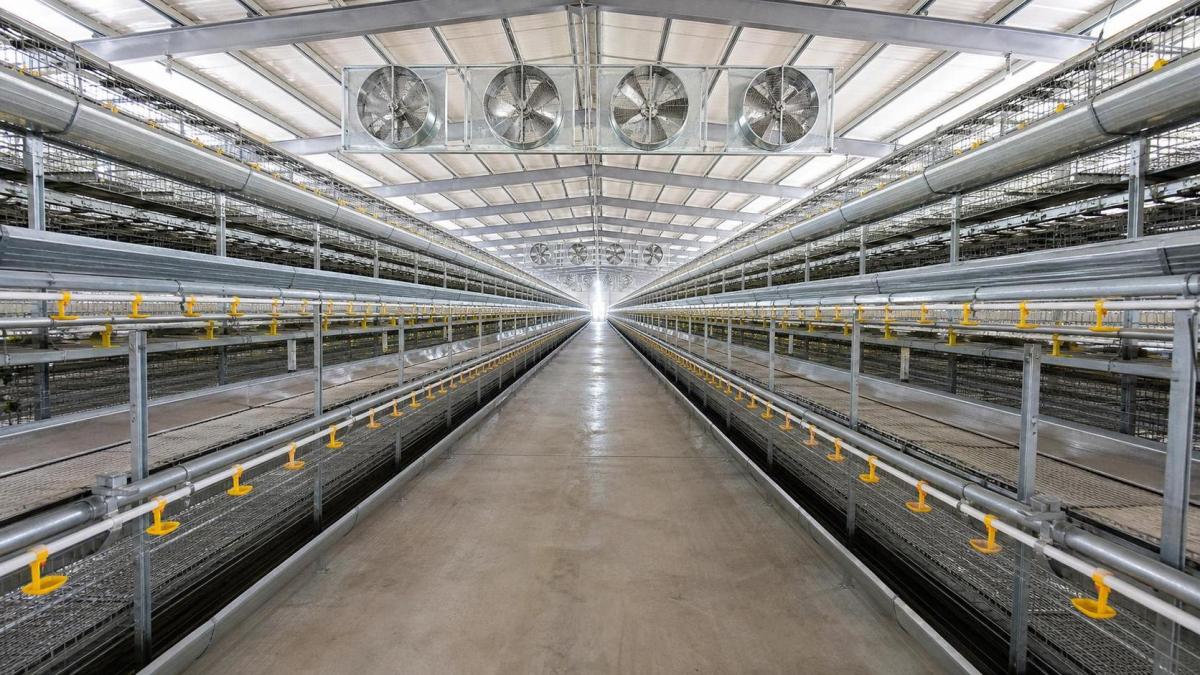
Why Supplier Questions Matter More Than List Prices
Supplier evaluation has become central because the same equipment category can be offered with different assumptions built into the price. One quotation may include design support, installation guidance, spare parts recommendations, and commissioning assistance. Another may cover only product supply. Without clear questions, buyers can misread these differences and compare unlike offers as though they were equivalent.
For teams reviewing poultry farm equipment cost, the most useful approach is to place price within a larger assessment of layout suitability, component lifespan, ease of maintenance, after-sales response, and the supplier’s ability to support stable operation once the system is in use. This gives the cost discussion practical meaning rather than treating it as a single procurement number.
This is especially important for distributors and project partners who may later need to support end users in the field. A supply relationship that looks competitive at ordering stage may become difficult if replacement parts are slow, documentation is incomplete, or the original configuration was not well matched to the site. Asking detailed questions early helps protect both direct buyers and channel partners from avoidable downstream friction.
Supplier Questions That Deserve Attention in 2026
Procurement teams can improve decision quality by asking structured, operationally relevant questions. The goal is not to make sourcing more complicated, but to make cost comparisons more truthful.
- What exactly is included in the quotation? Buyers should clarify whether the price covers core equipment only or also includes controllers, connection hardware, installation accessories, and startup support.
- How is the system adapted to climate and house conditions? Ventilation, cooling, and structural choices may need adjustment depending on regional temperature, humidity, and farm layout.
- Which components are most likely to require replacement first? This can reveal expected maintenance patterns and help estimate future operating burden.
- How are spare parts supplied, and what is the typical response process? Fast access to standard parts can be more valuable than a small difference in initial price.
- What technical documents are provided? Installation drawings, operating instructions, and maintenance guidance often affect project efficiency and reliability.
- Can the system be expanded later? If production growth is likely, modularity may matter as much as current capacity.
- What assumptions were used to size the system? Buyers should understand whether the proposal is based on bird type, stocking density, local power conditions, or target production rhythm.
These questions help uncover whether a quoted price reflects a complete operational solution or only a partial equipment package. They also reduce the risk of late-stage variation orders, installation delays, or post-handover disputes.
Common Cost Misjudgments During Procurement
One common mistake is treating all automated systems as interchangeable. Two feeding systems may look similar in specification sheets, yet differ significantly in motor quality, sensor reliability, chain performance, or ease of cleaning. These differences may not stand out in an early quotation review, but they often affect service continuity.
Another misjudgment is underestimating installation complexity. Even technically sound equipment can become costly if it requires extensive adjustment on site because of inaccurate dimensions, missing parts, or weak coordination between housing design and equipment layout. For new projects, this can affect construction sequencing. For retrofit projects, it may extend downtime and disturb production planning.
Buyers also sometimes focus too heavily on equipment itself while overlooking utility demands. Power stability, water quality, airflow design, and waste handling conditions all influence how effectively the system performs. When supplier discussions exclude these factors, the final equipment decision may not reflect real operating conditions.
How Different Buyers Tend to Evaluate Cost
Not every stakeholder evaluates equipment cost in the same way. Farm operators often care most about productivity stability, labor savings, and maintenance effort. Procurement officers may prioritize quotation clarity, delivery timing, and lifecycle value. Business evaluators often look at return logic, expansion suitability, and operational risk. Distributors and agents may place additional emphasis on standardization, field support, and parts availability across multiple customer projects.
This difference matters because a supplier proposal that satisfies one stakeholder may leave gaps for another. A practical sourcing process usually aligns technical, operational, and commercial priorities before final comparison. That may include defining which systems are essential for performance, which features are desirable but not critical, and which service commitments need to be formalized before ordering.
A Practical Comparison Framework
When comparing multiple suppliers, a structured framework often produces better results than relying on headline price alone. Buyers can review quotations across several dimensions at once.
This kind of comparison can help teams justify decisions internally. It also creates a more transparent basis for negotiation, since discussions move beyond simple price pressure and toward operational fit.
What Businesses Should Do Before Finalizing a Supplier
Before moving forward, companies usually benefit from defining their actual operating priorities. If the goal is to reduce labor intensity, automation level and maintenance simplicity may deserve more weight. If the goal is rapid market entry, delivery capability and installation coordination may matter more. If the project is being developed through a distributor network, documentation and service responsiveness may become critical.
It is also useful to ask suppliers to explain how their proposed configuration matches the intended production environment. That discussion can reveal whether the offer is based on real project understanding or a generic template. In many cases, the most reliable supplier is not the one with the shortest quotation, but the one whose proposal shows awareness of operating conditions and likely pain points.
Conclusion
In 2026, poultry farm equipment cost should be treated as a strategic procurement topic rather than a simple line-item expense. The real issue is how equipment decisions affect production continuity, maintenance demands, labor efficiency, and future flexibility. For information researchers, purchasing teams, business evaluators, and channel partners, the most effective way to manage cost is to ask better supplier questions early.
A well-judged purchase is usually built on clarity: what is included, how the system fits the farm, what support follows delivery, and where long-term risk may appear. When those points are examined carefully, buyers are more likely to identify value that holds up beyond the quotation stage.
Related Intelligence