
Machinery Reliability Standards That Reduce Downtime in Peak Season
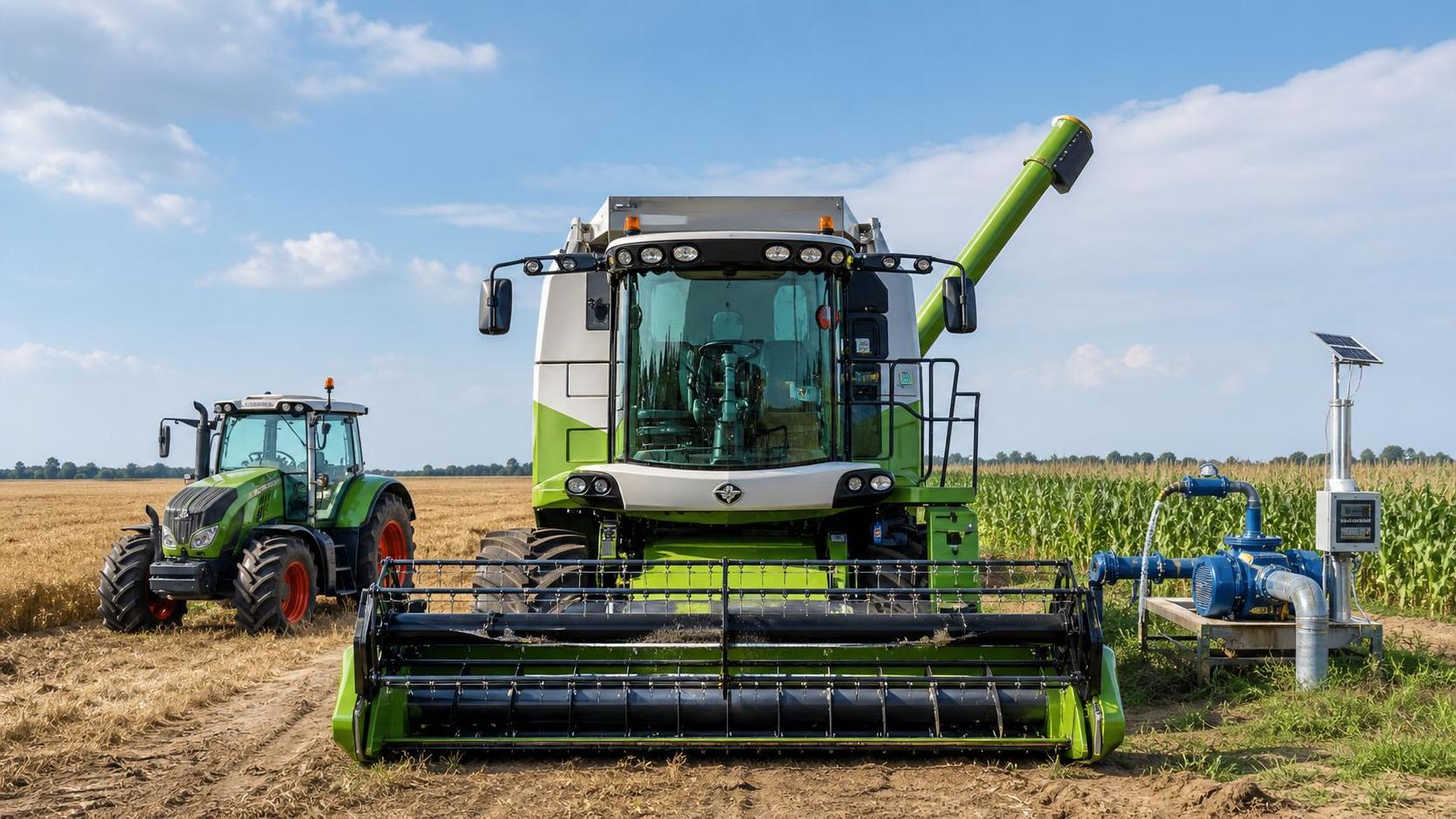
Why do machinery reliability standards matter most when the season gets tight?
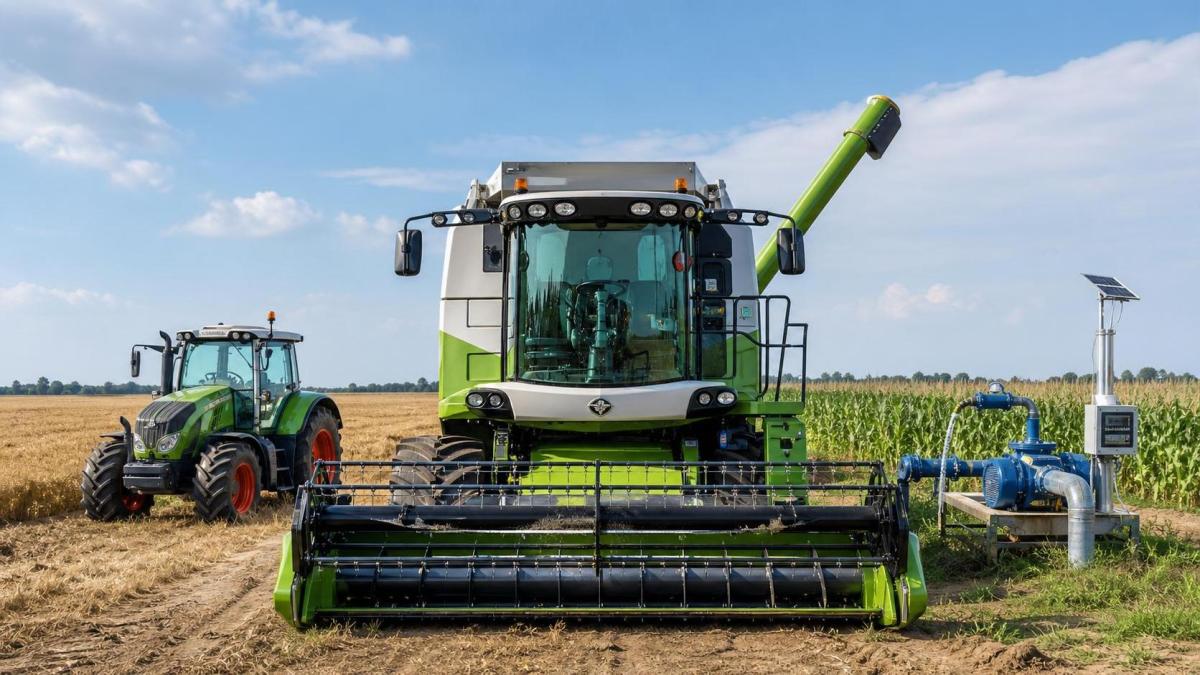
Peak season compresses risk. A small fault in a tractor, combine, drone, pump, or feeding system can quickly become a scheduling problem.
That is where machinery reliability standards start to matter in practical terms, not just in compliance files.
In agriculture, uptime is tied to weather windows, labor availability, crop maturity, and input timing. Delays are rarely isolated events.
A failed header sensor can slow harvest. A weak PTO assembly can reduce baling output. An unstable fertigation controller can affect greenhouse uniformity.
Machinery reliability standards create a common language for judging whether equipment is ready for those high-pressure conditions.
They usually cover repeatability, failure rates, inspection criteria, test cycles, maintenance intervals, safety interlocks, and documentation discipline.
For complex agricultural systems, that scope matters because modern machines combine mechanics, hydraulics, electronics, software, and connectivity.
A useful standard does not promise zero breakdowns. It helps teams reduce avoidable failures and recognize weak points before the workload peaks.
This is also why industry platforms such as SAMS often frame reliability alongside yield, labor efficiency, automation, and return per acre.
The real question is not whether reliability matters. It is how to judge machinery reliability standards in a way that improves field performance.
What do machinery reliability standards actually cover in agricultural equipment?
Many people assume these standards only address safety. In practice, they reach further into durability, consistency, diagnostics, and service readiness.
For agricultural equipment, machinery reliability standards often intersect with several technical layers at the same time.
- Mechanical endurance, such as driveline wear, PTO load stability, header stress, and bearing life.
- Hydraulic and fluid performance, including leakage tolerance, pressure consistency, and contamination control.
- Electrical reliability, especially connectors, harnesses, battery systems, and power quality under vibration.
- Control logic and sensors, from RTK steering modules to greenhouse climate probes and livestock feeding automation.
- Maintainability, including access points, fault codes, spare parts traceability, and inspection schedules.
The better approach is to read machinery reliability standards as an operational filter. They help identify whether the machine will stay stable under actual workload.
That workload may be heavy tillage, short harvest runs, repeated drone spraying, continuous irrigation, or round-the-clock feeding cycles.
A standard becomes more valuable when it defines conditions clearly. Load, temperature, dust, moisture, vibration, and run hours should not remain vague.
Without those details, a reliability claim may sound strong but say very little about field reality.
A quick judging table helps separate useful standards from weak claims
In actual review work, a short checklist often reveals whether machinery reliability standards are robust enough for peak-season decisions.
Which machines need the closest reliability review before peak demand?
The obvious answer is harvesters, but that is only part of the picture.
Machinery reliability standards deserve close attention anywhere a failure can interrupt a narrow production window or create a safety exposure.
Field equipment is one category. High-horsepower tractors, seeders, combines, balers, and sprayers face variable load, dust, shock, and long daily run times.
Autonomous and precision systems form another category. RTK guidance, terrain-following drones, machine vision, and variable-rate controls depend on stable sensors and clean data flow.
Controlled environment systems also carry hidden reliability risk. Climate sensors, fertigation pumps, CO2 dosing, and irrigation valves may run continuously.
Livestock automation deserves the same level of discipline. Rotary milking systems, feeding robots, TMR mixers, and ventilation controls cannot tolerate long unplanned stops.
In other words, the best candidate for deeper review is the machine whose downtime multiplies downstream losses.
That may be a combine in harvest, a planter in a short sowing window, or a greenhouse controller during extreme weather.
How can you tell whether a standard will really reduce downtime?
A reliability document helps only when it changes decisions. The useful test is whether it improves inspection planning, maintenance timing, or acceptance criteria.
Start by checking failure definition. Some machinery reliability standards count only total shutdowns. Others include degraded performance and intermittent faults.
The second approach is usually more relevant in agriculture. A machine that keeps moving but loses accuracy can still damage output.
For example, combine threshing inconsistency, steering drift, uneven spray flow, or unstable irrigation pressure may not look like complete failure at first.
Yet each can create quality loss, rework, or missed timing. That is downtime in a broader operational sense.
It also helps to compare standards by serviceability, not only by endurance numbers.
- Are wear parts accessible without extended disassembly?
- Can sensors be calibrated quickly in field conditions?
- Does the control system provide usable fault codes?
- Are spare parts linked to a traceable bill of materials?
When those answers are weak, machinery reliability standards may look acceptable on paper but still fail to reduce real downtime.
That is why technical portals that follow agricultural machinery trends often connect reliability data with service outcomes, operator workload, and season-specific use cases.
Where do teams usually misread machinery reliability standards?
A common mistake is treating all reliability claims as comparable. They are not, unless the test environment and reporting logic are aligned.
Another mistake is focusing on the prime machine while ignoring support systems.
A tractor may be reliable, yet the attached seeder control module, data terminal, or hydraulic coupler becomes the actual source of delay.
In greenhouse and livestock operations, support systems are often even more critical than the visible hardware.
There is also a timing mistake. Some reviews happen too close to season start, leaving no room for corrective action, spare stocking, or retraining.
More useful reviews happen earlier, when standards can still shape inspection scope and maintenance budget.
One more blind spot involves digital reliability. Connectivity, firmware compatibility, and sensor calibration drift are often treated as secondary issues.
In smart agriculture, they are core reliability issues. A healthy machine with unstable data may still miss application targets or automation routines.
Practical warning signs worth flagging early
- Reliability results are stated without run hours or duty cycle.
- Only factory tests are referenced, with no field validation.
- Software updates are frequent, but change control is unclear.
- Inspection intervals exist, but wear thresholds are missing.
- Critical subsystems depend on single-source parts with long lead times.
What is a realistic way to apply machinery reliability standards before the next busy cycle?
The most effective approach is staged, because not every asset needs the same level of review.
Begin with the machines that combine high workload, narrow timing, and high consequence of failure.
Then map each asset against the machinery reliability standards already in use. Look for gaps between documented criteria and actual operating conditions.
In practical terms, that usually means reviewing five items.
- Critical failure modes by machine and subsystem.
- Seasonal inspection points with measurable wear limits.
- Maintenance intervals adjusted for real duty, not nominal duty.
- Spare parts readiness for components with known lead times.
- Digital checks for sensors, firmware, calibration, and data connectivity.
This is also where comparative intelligence becomes useful. SAMS, for example, frames machinery performance across tractors, harvesters, drones, greenhouse systems, and farm automation.
That kind of cross-system view helps connect reliability standards with field accuracy, labor reduction, uptime, and return on equipment investment.
In the end, machinery reliability standards work best when they move beyond abstract compliance and into measurable operating discipline.
A useful next step is to rank assets by downtime impact, review whether current standards reflect actual duty cycles, and tighten inspections where hidden failures usually begin.
That process tends to produce clearer maintenance priorities, better supplier comparison, and fewer unpleasant surprises when the season is least forgiving.
Related Intelligence