
How to Evaluate a Smart Irrigation Systems Manufacturer
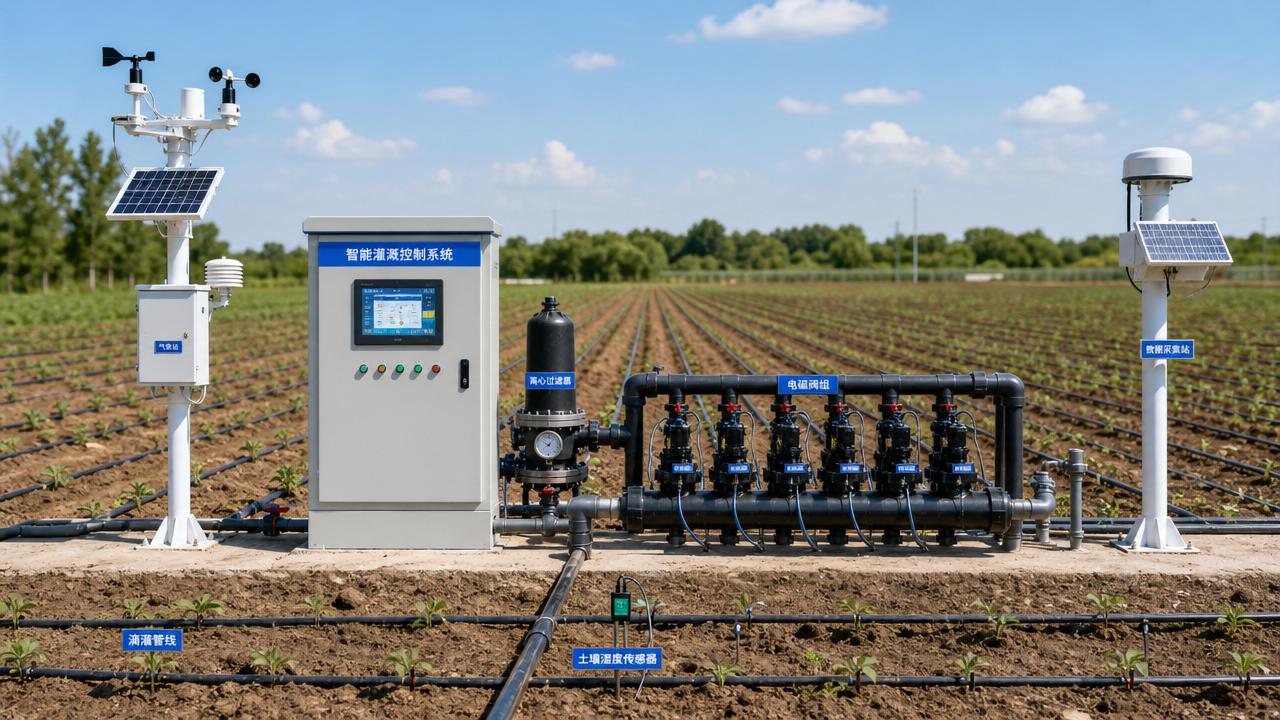
How to Evaluate a Smart Irrigation Systems Manufacturer
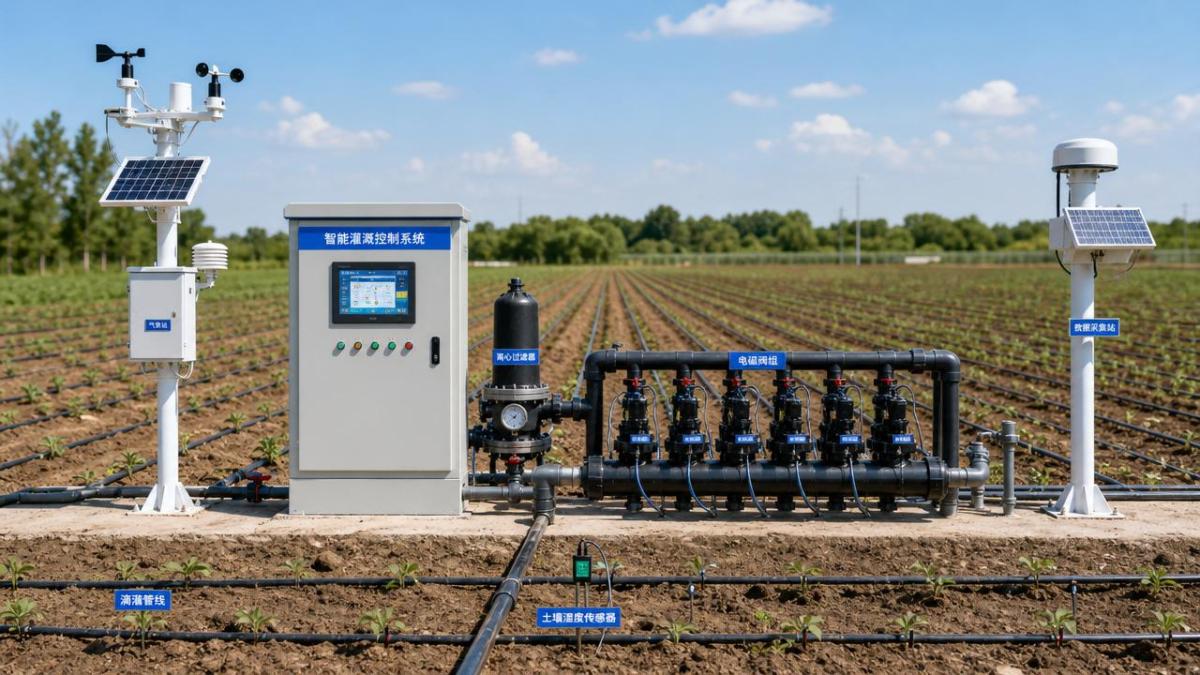
Choosing a smart irrigation systems manufacturer is not only about equipment price.
It directly shapes water efficiency, control precision, uptime, labor use, and long-term return.
That is why a technical review should go beyond brochures and product claims.
A capable smart irrigation systems manufacturer should prove performance in real fields, not just in demos.
This matters even more when irrigation is linked with fertigation, sensor networks, remote control, and farm software.
In practice, the best supplier combines hardware reliability with software intelligence and responsive support.
A weak supplier may still offer low upfront pricing, but hidden operating risks appear later.
Those risks usually show up as uneven irrigation, unstable communications, maintenance delays, or poor data visibility.
So the goal is simple: compare manufacturers using evidence tied to agronomic and operational outcomes.
Start With System Fit, Not Product Lists
Every smart irrigation project begins with application fit.
A smart irrigation systems manufacturer may be strong in orchards, but less proven in row crops or greenhouse irrigation.
That difference affects valve design, pumping logic, sensor density, and automation architecture.
First, define the working environment clearly.
- Crop type, root depth, and irrigation sensitivity
- Water source quality and pressure stability
- Field size, terrain variation, and zoning complexity
- Climate volatility, evaporation rate, and rainfall pattern
- Power availability and network coverage
- Need for fertigation or chemical dosing integration
Once that baseline is clear, supplier comparison becomes much more objective.
This also prevents a common mistake: selecting a polished platform that does not match field realities.
Assess Core Engineering Capability
A reliable smart irrigation systems manufacturer should show depth in engineering, not only sales coverage.
Ask how the system handles pressure regulation, flow consistency, leak detection, and control response time.
These details reveal whether the manufacturer understands real irrigation behavior.
Look closely at these technical points:
- Controller stability under voltage fluctuation
- Valve durability in dusty, wet, or corrosive conditions
- Sensor accuracy across temperature and moisture extremes
- Pump automation logic and emergency override options
- Alarm design for clogging, leakage, low pressure, or communication loss
- Expandability for additional zones or future devices
A strong smart irrigation systems manufacturer should provide drawings, component specifications, and control logic explanations.
If technical answers stay vague, that is usually a warning sign.
Evaluate Sensor Quality and Data Reliability
Smart irrigation depends on data quality.
If soil moisture readings drift, automated decisions become unreliable very quickly.
That is why sensor validation deserves separate attention during supplier selection.
An experienced smart irrigation systems manufacturer should explain calibration methods, installation guidance, and expected maintenance intervals.
Review whether the platform supports multiple data sources, including weather stations, flow meters, tank levels, and EC or pH monitoring.
More importantly, check how those inputs are cleaned and interpreted.
Useful questions include:
- How often is sensor data sampled and refreshed?
- What happens when a sensor fails or sends abnormal values?
- Can the system flag drift before irrigation mistakes occur?
- Is there a clear audit trail for manual overrides?
- How is data stored, backed up, and exported?
Reliable data is what turns automation into measurable water savings.
Check Software Intelligence and Integration Depth
Today, a smart irrigation systems manufacturer is also a software supplier.
That means the user interface, decision engine, and integration framework matter as much as pipes and valves.
The best platforms make scheduling easier without hiding critical control details.
Look for software that supports rule-based irrigation, sensor-triggered actions, weather-based adjustments, and zone-level reporting.
It should also connect with broader farm systems where needed.
For example, integration may involve digital farm platforms, greenhouse climate control, fertigation logs, or energy monitoring tools.
A strong smart irrigation systems manufacturer usually supports APIs, cloud access, mobile alerts, and user permission controls.
More importantly, the software should remain usable during peak season, not become one more management burden.
Look for Proof Under Real Agricultural Conditions
Field performance is where claims either hold up or fall apart.
A credible smart irrigation systems manufacturer should provide case evidence from commercial deployments.
Ask for examples that match your crop type, climate stress, and system complexity.
Useful evidence includes seasonal uptime, water savings, labor reduction, yield stability, and maintenance records.
A supplier with strong references should also explain failures honestly.
That level of transparency often says more than a perfect presentation.
When possible, compare manufacturers using the same performance checklist.
Review Manufacturing Strength and Supply Stability
Selecting a smart irrigation systems manufacturer also means evaluating production discipline.
Even strong designs can become risky if sourcing is unstable or quality control is inconsistent.
Check whether key components are manufactured in-house or sourced from multiple vendors.
This affects consistency, lead time, and after-sales parts availability.
A mature smart irrigation systems manufacturer should be ready to discuss testing procedures, IP protection, firmware updates, and warranty terms.
It is also smart to ask about export experience, certifications, and localization support for different markets.
From a procurement perspective, supply continuity is part of technical risk control.
Compare Total Cost of Ownership, Not Just CAPEX
One smart irrigation systems manufacturer may appear cheaper at purchase, yet cost more over five years.
That is why total cost of ownership should be part of every decision model.
Include not only hardware, but also installation, calibration, connectivity, software fees, replacement parts, and operator training.
Then compare those costs against measurable value.
- Water savings per hectare or acre
- Reduced labor hours for monitoring and switching
- Lower crop stress from precise irrigation timing
- Improved fertilizer efficiency through better dosing control
- Reduced downtime during critical growth periods
The most competitive smart irrigation systems manufacturer often delivers the best operational value, not the lowest quotation.
Use a Practical Supplier Evaluation Framework
To make decisions clearer, use a weighted scorecard.
This keeps the process consistent across competing proposals.
A practical framework may include technical fit, sensor reliability, software capability, service response, manufacturing quality, and total cost.
It also helps to separate mandatory requirements from preferred features.
For example, remote diagnostics may be essential, while advanced analytics can be optional in phase one.
Before final selection, request a live demonstration, review reference sites, and confirm support commitments in writing.
That final step often reveals which smart irrigation systems manufacturer is truly prepared for long-term partnership.
Final Decision Priorities
The right smart irrigation systems manufacturer should deliver more than connected hardware.
The supplier should demonstrate agronomic understanding, dependable engineering, stable software, and reliable service capacity.
In a market shaped by water pressure, labor shortages, and climate uncertainty, these factors become strategic.
A disciplined evaluation process reduces risk and improves confidence in the final choice.
If a smart irrigation systems manufacturer can show field proof, integration depth, supply stability, and clear ROI logic, it deserves serious consideration.
Start with application fit, verify evidence, and make the decision based on long-term performance rather than short-term pricing.
Related Intelligence