
Farm Mechanization Plan: Cost, Equipment, and ROI Basics
Why does a farm mechanization plan matter before buying equipment?
A farm mechanization plan is not just a shopping list. It is a decision framework that connects field needs, labor limits, crop timing, and expected financial return.
That matters because machinery investment often fails for predictable reasons. Capacity is oversized, technology is underused, or support costs were ignored during budgeting.
In practical terms, a good farm mechanization plan helps define what work must be done, when it must be done, and which machine combination delivers the best result per acre.
For many operations, the real question is not whether to mechanize. It is how far to mechanize without creating a heavy CAPEX burden or operational complexity.
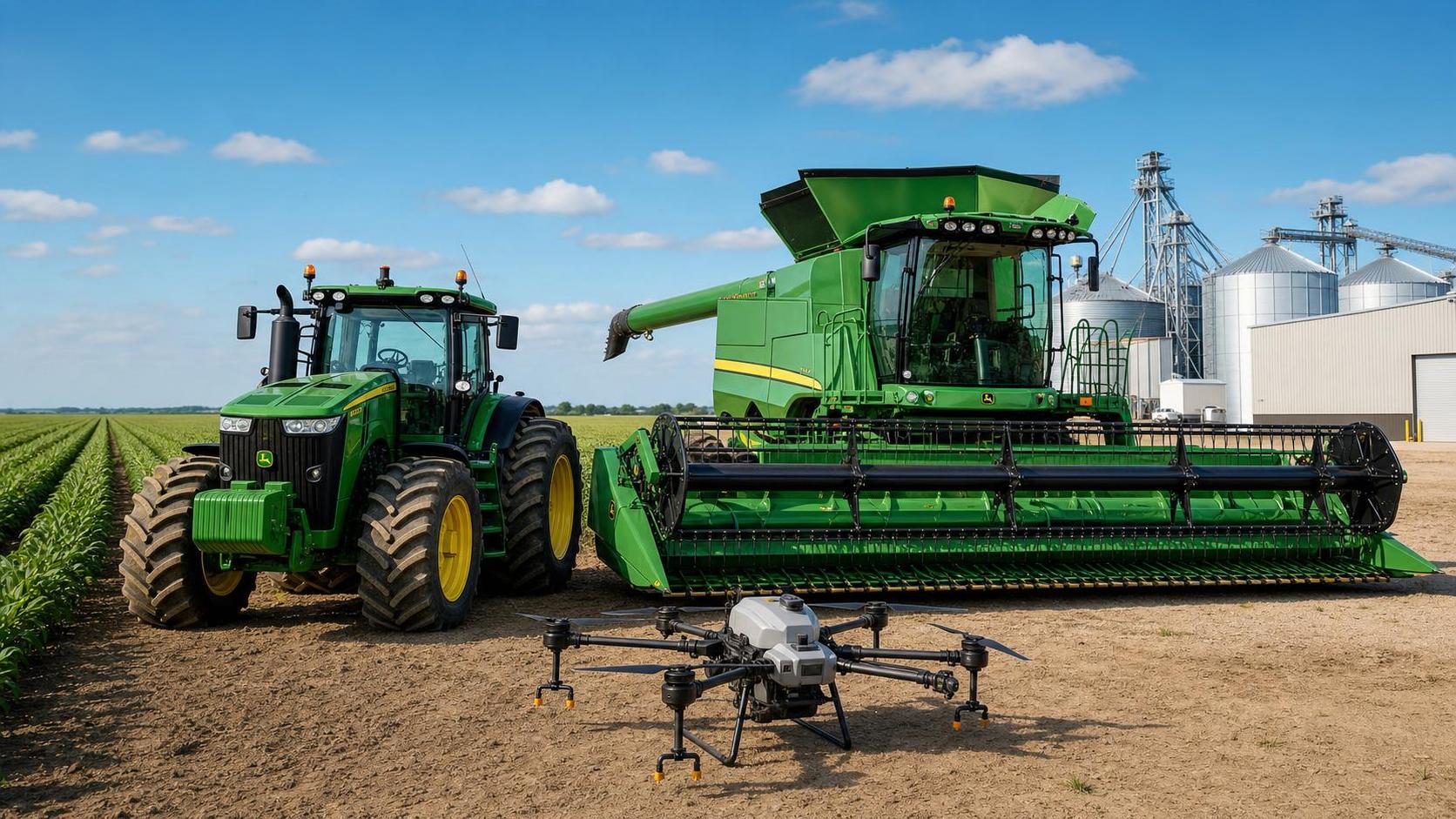
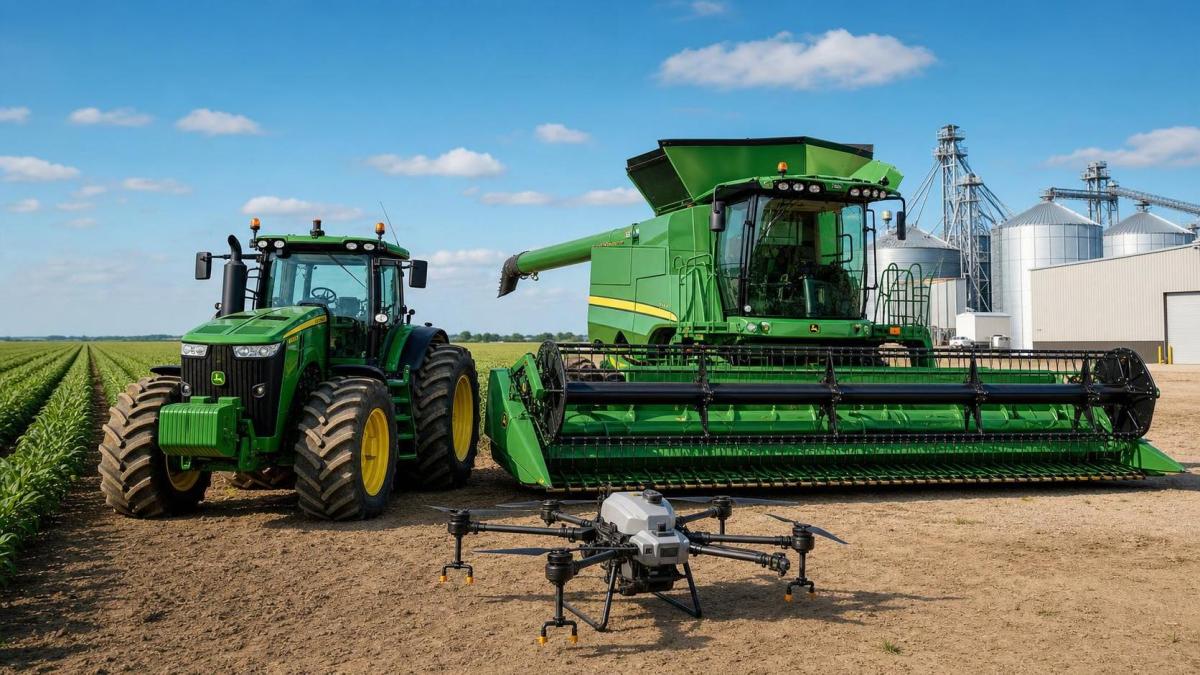
This is where machinery and digital systems start to connect. Tractors, combines, balers, drones, irrigation controls, and IoT farm platforms now influence the same ROI model.
SAMS often frames this issue through equipment reliability, precision performance, and per-acre return. That approach is useful because it links machine specifications to actual operating outcomes.
What should be included in a practical farm mechanization plan?
A useful farm mechanization plan usually starts with field workload, not machine brand. The first task is to map operations across planting, crop care, harvest, transport, storage, and livestock routines if relevant.
From there, most decisions fall into five working layers:
- Primary power, such as 300-500 HP tractors, PTO demand, drawbar load, and transmission fit.
- Field equipment, including planters, seeders, sprayers, balers, and headers matched to crop system and acreage.
- Harvest capacity, especially combine output, threshing efficiency, grain loss, and short harvest window performance.
- Precision tools, such as RTK guidance, variable-rate application, drones, and multispectral imaging.
- Management systems, including irrigation automation, greenhouse climate control, livestock feeding, and digital farm software.
What is often missed is compatibility. A tractor may have enough horsepower, yet the PTO output, hydraulic flow, tire setup, or CVT performance may still limit results.
The same applies to digital tools. A drone that captures NDVI maps creates value only if those maps lead to actionable spraying or fertilization decisions.
So the better farm mechanization plan is built around workflows. Each machine should remove a measurable bottleneck, not simply add technical capability.
How do you know which equipment deserves priority first?
A common mistake is prioritizing the most visible machine. In reality, the first investment should usually target the operation with the highest timing risk or labor dependency.
If planting delays reduce stand quality, planter accuracy and tractor guidance may deserve priority. If harvest losses are high, combine capacity and header matching may create faster payback.
Where labor is unstable, automation may move higher in the sequence. Feeding robots, rotary milking systems, or irrigation controllers can sometimes outperform another incremental field machine.
The table below helps structure that judgment before final supplier comparison.
This kind of review usually leads to a more disciplined farm mechanization plan. It separates must-have capacity from nice-to-have features.
How should cost be calculated beyond the machine price?
Purchase price is only the visible layer. A serious farm mechanization plan must include ownership cost, operating cost, and hidden integration cost.
Ownership cost covers financing, depreciation, insurance, and resale uncertainty. Operating cost includes fuel, wear parts, maintenance intervals, software subscriptions, and seasonal service response.
Integration cost is where many budgets slip. RTK correction services, data compatibility, operator training, implement calibration, and spare parts stocking can materially change project economics.
In greenhouse and livestock systems, utility demand also matters. Climate control, fertigation, feeding automation, and machine vision may shift power consumption and maintenance staffing.
A better budgeting method is to calculate cost per acre, cost per ton, cost per milking position, or cost per livestock unit. That makes cross-category comparison far more useful.
In actual procurement reviews, three cost questions usually reveal the strongest signals:
- How many productive hours will the asset deliver each year?
- What downtime cost appears if support is slow during peak season?
- Will this machine reduce another cost line, or only add a new one?
That last point is important. A farm mechanization plan becomes stronger when every equipment line has a linked cost offset or output gain.
What does ROI really look like in a farm mechanization plan?
ROI is rarely driven by one factor. It usually comes from several moderate gains working together across labor, timeliness, yield protection, and input control.
For example, RTK guidance may not dramatically change revenue by itself. Yet it can reduce overlap, operator fatigue, seed waste, and pass-to-pass inconsistency across the whole season.
A combine upgrade may show value through lower grain loss, better harvest speed, and reduced weather exposure. That return often appears faster in regions with short harvest windows.
Drone systems are another good example. Their value is strongest when scouting, terrain following, and variable-rate action are linked, not when flights remain isolated reports.
SAMS frequently interprets ROI in this connected way. It treats machine power, sensing, climate control, and automation as parts of one operational system rather than separate purchases.
A practical ROI review can include these lines:
- Labor hours removed per season
- Yield or quality losses avoided during timing-sensitive work
- Input savings from precise placement or application
- Downtime reduction through stronger reliability and service access
- Asset utilization across multiple crops, sites, or business units
When these gains are modeled together, the farm mechanization plan becomes easier to defend internally and easier to compare across suppliers.
Where do mechanization plans usually go wrong?
The most common problem is buying for peak ambition rather than current execution. Capacity can look impressive on paper while utilization stays too low to justify ownership.
Another issue is treating advanced features as immediate value. Autonomous steering, variable-rate systems, or machine vision only pay back when field data, workflow design, and operator discipline are present.
Support structure is also underestimated. Parts lead time, local service depth, software updates, and compatibility with existing implements should be checked before signatures, not after delivery.
More complex operations should also test expansion logic. A farm mechanization plan for row crops may differ sharply from one involving greenhouses, hydroponics, livestock feeding, or controlled environment systems.
A few warning signs deserve extra attention:
- Machine specs are detailed, but annual utilization assumptions are vague.
- The business case depends on perfect labor savings from day one.
- Digital systems are added without a clear data-to-action workflow.
- Supplier comparison ignores uptime support during critical seasons.
If those gaps appear early, the plan should be revised before moving into final procurement rounds.
What is the best next step when building a farm mechanization plan?
Start by listing operational bottlenecks in plain terms. Focus on acres delayed, labor hours lost, input waste, harvest exposure, and service risks.
Then translate each bottleneck into a machine or system requirement. That may point to tractor power, combine throughput, baler density, drone accuracy, irrigation control, or livestock automation.
After that, build a short comparison model using cost per productive unit, expected utilization, and realistic payback assumptions. This keeps the farm mechanization plan anchored in operations rather than marketing claims.
It also helps to review independent technical analysis and application cases. A platform like SAMS is useful in that stage because it brings machinery performance, digital agriculture trends, and ROI interpretation into one reference path.
The strongest plans are usually not the most aggressive. They are the ones that match timing risk, machine capability, and financial discipline with clear implementation standards.
A disciplined farm mechanization plan should leave three outputs: a priority sequence, a total cost view, and a measurable return model. Once those are clear, equipment comparison becomes far more reliable.
Related Intelligence