
FDA Expands Import Alert to Hydroponic Control Units
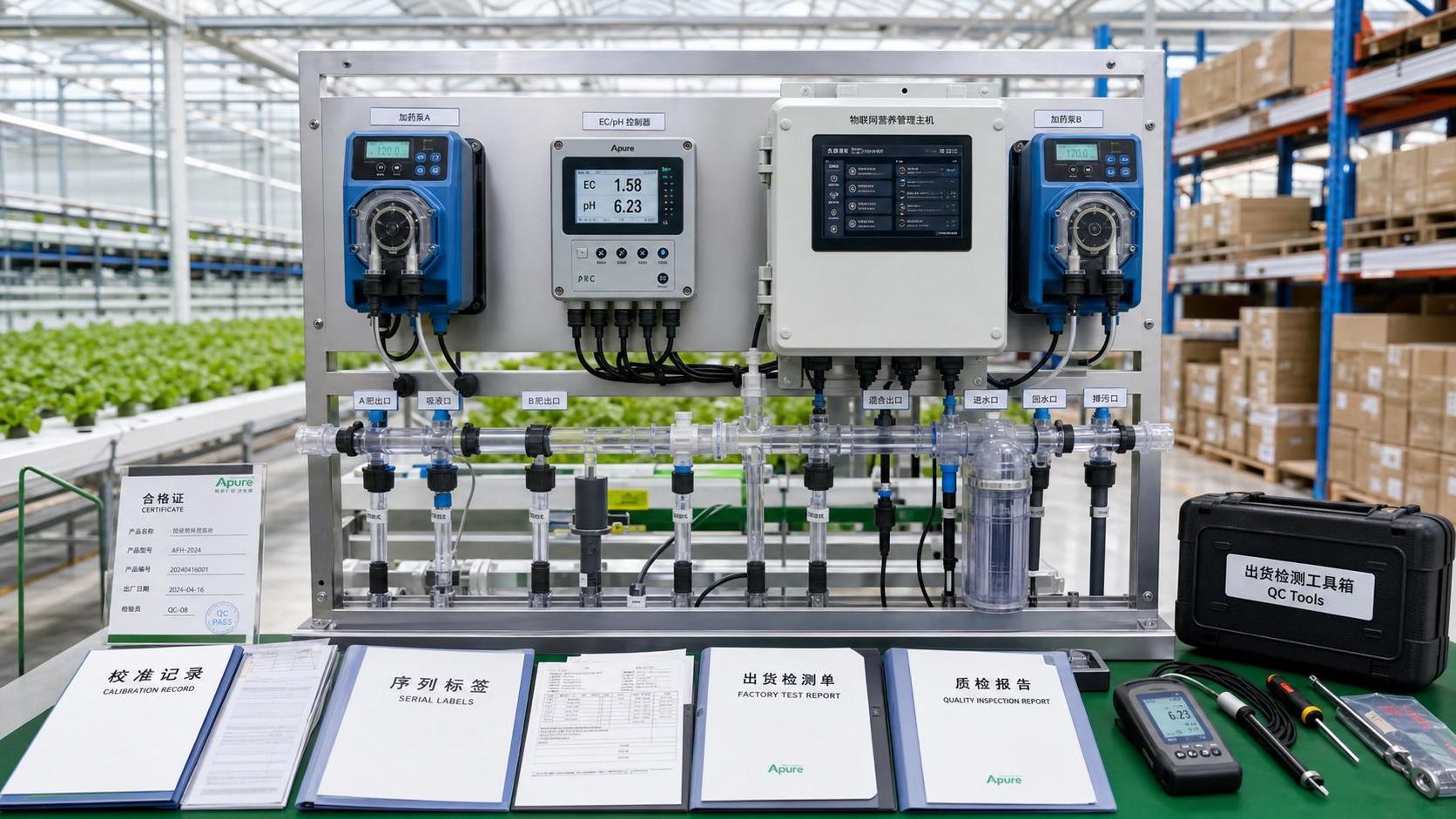
On June 27, 2026, the U.S. Food and Drug Administration finalized an expansion of Import Alert 99-17 to include hydroponic fertigation control systems imported from China, India, and Mexico. The change brings dosing pumps, EC/pH controllers, and IoT-based nutrient management units into a more explicit import-control framework, with direct relevance for exporters, U.S. buyers, compliance teams, supply-chain operators, and after-sales service providers. What makes this development worth close industry attention is that documentation and traceability now sit closer to the point of import access, not only to product performance in the field.
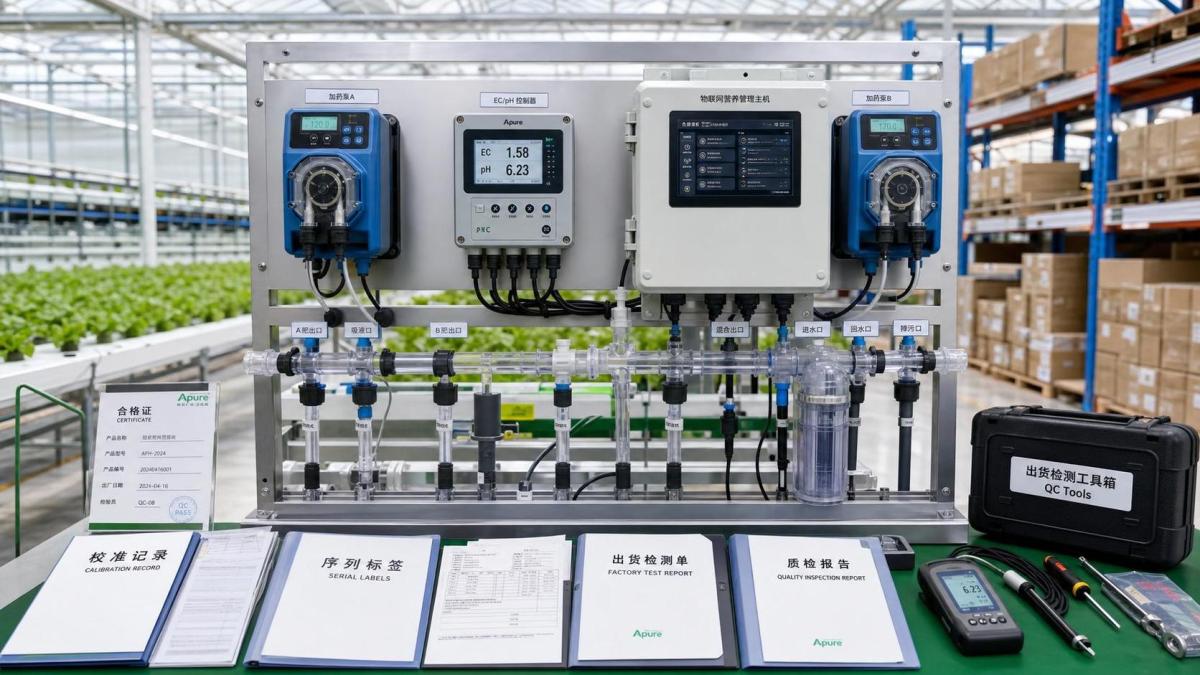
What the FDA Expansion Now Covers
According to the information provided, the FDA expanded Import Alert 99-17 on 2026-06-27 to cover hydroponic fertigation control systems. The products identified include dosing pumps, EC/pH controllers, and IoT-based nutrient management units imported from China, India, and Mexico.
The same information states that shipments will be detained without physical examination if they do not have FDA-listed facility registration, validated calibration logs, and traceable firmware version records.
The stated reason for the move is rising incidents of nutrient imbalance-related crop loss reported by U.S. greenhouse operators.
Where the Rule Change May Be Felt First
Import transactions may face tighter document screening
From an industry perspective, direct trading companies and exporters connected to the covered product categories may be affected first because the new enforcement trigger is tied to import documentation and traceability records. The practical pressure point is likely to be pre-shipment file readiness, especially around facility registration status, calibration records, and firmware version traceability.
For these businesses, what deserves closer attention is whether existing export paperwork and technical files are organized in a way that matches the FDA-linked import review expectation described in the event summary.
Procurement teams may need to reassess supplier readiness
Procurement-side companies, including buyers sourcing hydroponic control equipment for greenhouse use, may face changes in supplier qualification checks. Analysis shows that the issue is no longer limited to price, specification, and lead time; documentary compliance may become a more immediate gate for shipment release.
This means purchasing teams should pay closer attention to whether suppliers can provide consistent calibration logs, firmware traceability records, and registration-related materials before shipment rather than after arrival.
Manufacturers and integrators may see compliance shift into delivery preparation
For manufacturers, assemblers, and system integrators serving the covered product segments, the impact may appear in delivery preparation and technical record control. Observably, firmware version traceability is specifically named in the event summary, which suggests that hardware shipment and software recordkeeping can no longer be treated as separate administrative matters in this import context.
Businesses in this part of the chain should therefore watch how internal quality files, calibration validation records, and shipment documentation align before export dispatch.
Service and support providers may face greater traceability expectations
After-sales and technical support providers may also be indirectly affected because firmware identity and calibration history can influence how equipment is documented across installation, maintenance, and replacement cycles. Analysis shows that service records may become more relevant where customers ask suppliers to demonstrate continuity between the shipped unit, its calibration status, and its firmware record.
What Companies Should Watch in the Near Term
Check whether compliance files are complete before shipment
Analysis shows that the most immediate operational issue is document completeness. Companies handling affected products should closely review whether the three elements named in the event summary, namely FDA-listed facility registration, validated calibration logs, and traceable firmware version records, are available and internally consistent before goods move into export or import clearance stages.
Review how firmware records are linked to physical units
Because traceable firmware version records are explicitly mentioned, businesses should pay attention to how software version history is connected to specific shipped units, batches, or system configurations. The event summary does not provide detailed execution guidance, so this should be treated as a compliance area to monitor rather than a settled documentation format.
Factor possible detention risk into procurement and delivery timing
Observably, detention without physical examination changes the risk profile for delivery planning. Companies involved in procurement, logistics, and project scheduling should watch for possible effects on receiving timelines, replacement planning, and supplier selection. The provided information does not quantify delay patterns, so the appropriate approach is to treat timing risk as a practical exposure that merits contingency planning.
Monitor whether market documents begin to reflect the new control focus
From an industry perspective, another point worth tracking is whether procurement documents, technical requirement sheets, supplier onboarding checks, or after-sales handover files begin to place more emphasis on calibration validation and firmware traceability. The event summary does not confirm that this has already occurred, but it is a reasonable area for continued observation.
How This Move Is Best Interpreted Now
Analysis shows that this development is better understood as an executed enforcement signal rather than a distant policy discussion, because the event summary describes a finalized expansion and identifies concrete detention conditions. At the same time, it should not yet be treated as a fully transparent operating framework across every transaction scenario, since the provided information does not include detailed implementation guidance, review procedures, or case-by-case interpretation standards.
What deserves closer attention is the combination of product scope, country scope, and record-based detention triggers. That combination suggests the industry should watch not only the rule text itself, but also how compliance expectations are reflected in shipment preparation, supplier qualification, and customer acceptance processes.
A Narrow Rule Change With Broader Supply-Chain Implications
In practical terms, this event is not merely about a change in product coverage under an import alert. It also signals that documentation quality, calibration validation, and firmware traceability are becoming more visible factors in cross-border movement for the covered hydroponic fertigation control systems. The immediate significance is therefore strongest in compliance screening and delivery readiness.
Current observation suggests this news is best understood as a landed enforcement change with further execution details still worth monitoring. For industry participants, the prudent reading is neither to overstate market impact nor to treat the update as routine paperwork, but to recognize it as a concrete import-control development that may influence procurement, shipment preparation, and supplier review.
Basis of This Article and What Still Needs Verification
This article is generated based on the user-provided news title, event date, and event summary. In coverage of developments of this type, commonly relevant source categories may include official announcements, regulatory releases, customs or trade authority information, industry association updates, standards organization documents, and reporting from authoritative trade media.
A specific official source link was not provided in the input, so the exact official publication path still requires follow-up verification. Observably, the areas that remain worth tracking include any further implementation detail, certification or compliance interpretation, changes in procurement or tender documentation, market feedback, and how affected companies carry the requirements into actual shipment and service execution.
Related Intelligence