
Greenhouse Humidity Control: Common Causes of Crop Loss
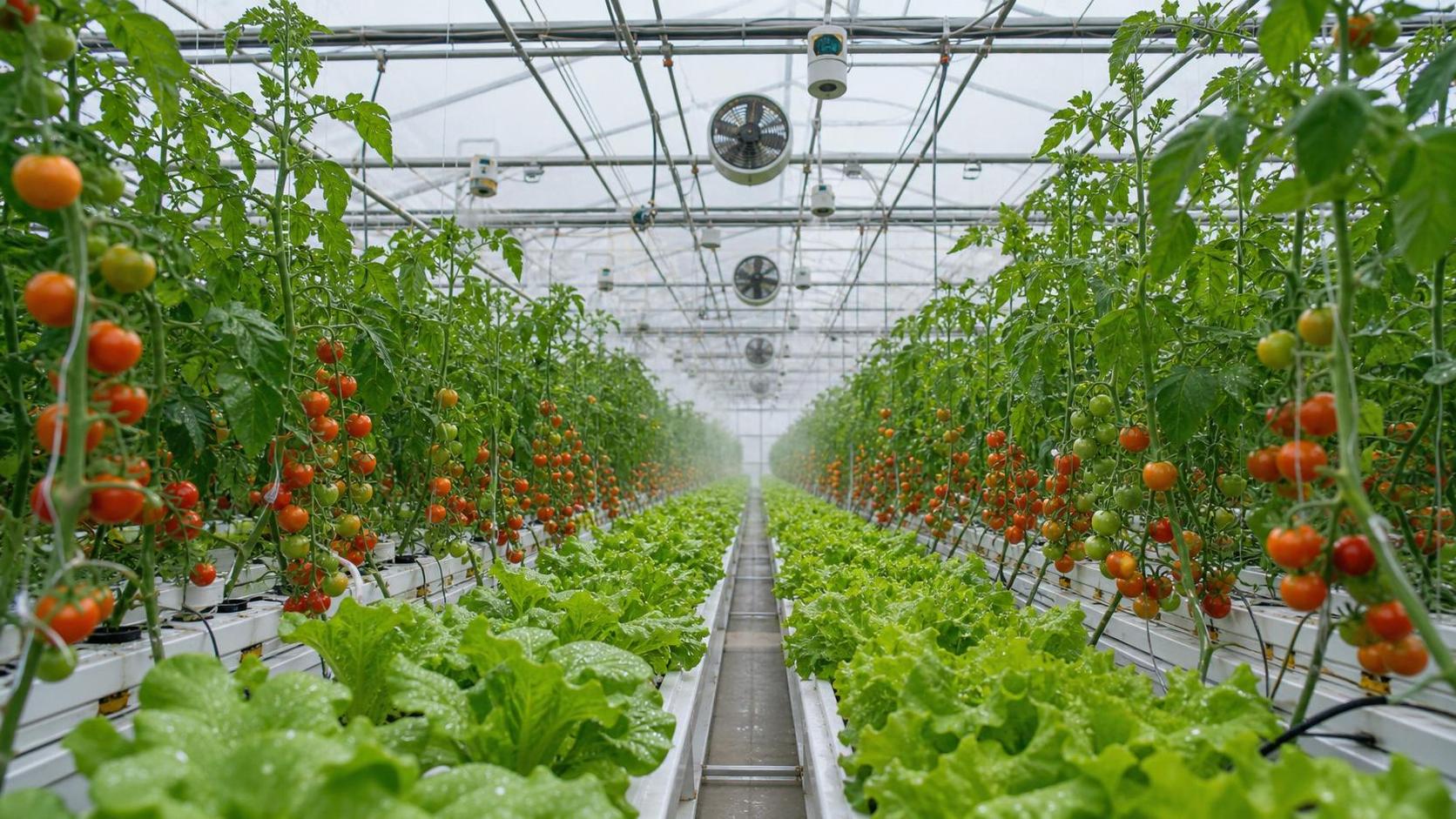
Why greenhouse humidity control becomes a crop loss issue so quickly
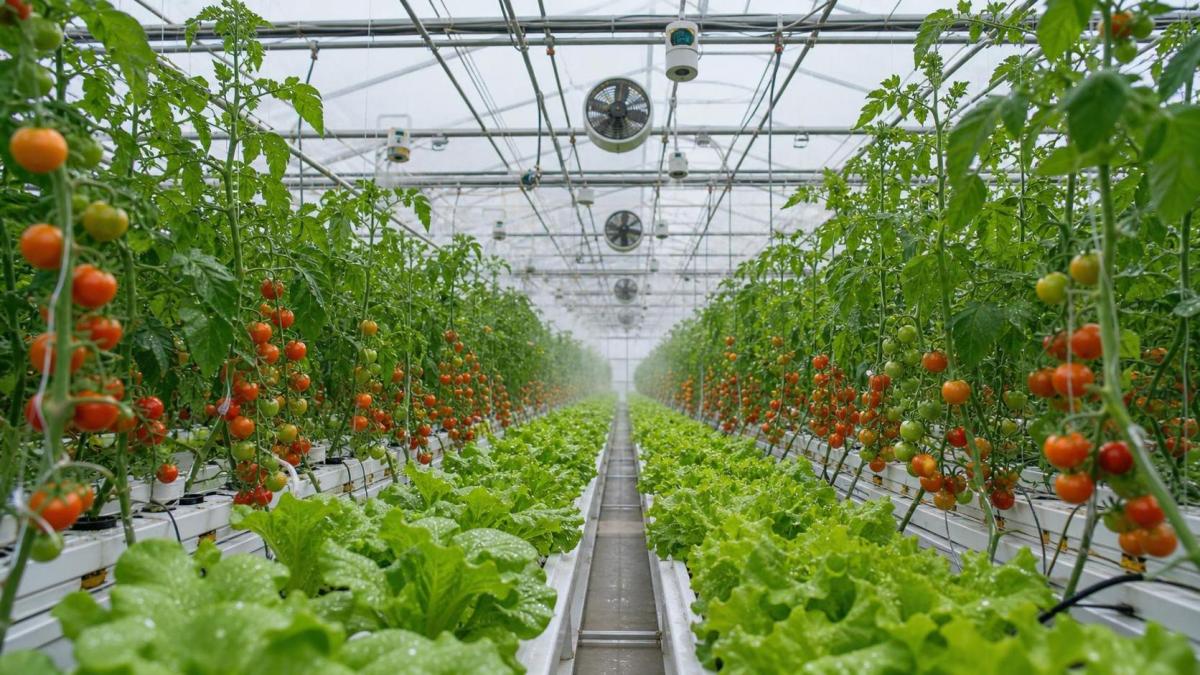
Poor moisture balance rarely fails in a dramatic way at first.
More often, greenhouse humidity control drifts out of range for several hours each day.
That pattern is enough to trigger condensation, slower transpiration, and disease pressure.
In protected cultivation, crop loss usually starts with instability rather than one obvious equipment fault.
This matters across modern agriculture because greenhouse climate control now connects with irrigation, fertigation, sensors, and digital farm management.
A humidity problem can therefore distort labor planning, input use, and yield forecasting at the same time.
Within the broader SAMS view of smart agricultural machinery, greenhouse humidity control is not an isolated setting.
It is part of a wider operating system that affects water efficiency, crop consistency, and return per square meter.
The first judgment is not humidity alone, but the production context
Different greenhouses can show the same humidity reading and still face very different risks.
A tomato house with dense canopy behaves differently from a lettuce unit with fast crop turnover.
Hydroponic systems react differently from soil-based structures because root-zone water delivery is more direct.
Ventilation strategy, thermal screen use, local climate, and crop stage all change the humidity control target.
In practice, the better question is not, “Is humidity high?”
It is, “When does humidity rise, what else rises with it, and how long does the condition remain?”
That is why greenhouse humidity control depends on trend interpretation, not single-point readings.
Common causes rarely appear one by one
The most frequent crop loss cases combine several small errors.
- Night temperature drops create leaf-surface condensation before sunrise.
- Over-irrigation raises latent moisture faster than vents can remove it.
- Uneven airflow leaves wet pockets near corners, gutters, or lower canopy zones.
- Thermal screens save energy but trap vapor if opening logic is too slow.
- Sensor placement near doors or pipes gives misleading humidity data.
None of these issues should be judged in isolation.
Effective greenhouse humidity control depends on how these variables interact over a full day cycle.
Dense fruiting crops usually lose yield through hidden moisture stress
Tomatoes, cucumbers, and peppers often look vigorous even when humidity management is weak.
That visual strength can be misleading during rapid vegetative growth.
Dense canopy slows air exchange around leaves and clusters.
When greenhouse humidity control lags, botrytis and mildew risks increase in sheltered plant zones.
A common mistake is to respond by increasing ventilation only during obvious heat buildup.
The hidden problem often happens earlier, when temperature is acceptable but vapor pressure deficit is too low.
In these houses, the key judgment points are canopy density, overnight leaf wetness, and recovery after irrigation pulses.
Circulation fans, staged vent opening, and irrigation timing usually matter more than one stronger dehumidification response.
Leafy greens and propagation zones fail for different reasons
Short-cycle crops create a different greenhouse humidity control challenge.
The crop is often more uniform, but production rhythm is tighter.
A few days of excess humidity can reduce marketable quality even without severe disease.
Tip burn, soft tissue, uneven color, and slower finishing are more common warning signs.
Propagation areas are even more sensitive because young plants need moisture without stagnant air.
Here, greenhouse humidity control should focus on balance rather than maximum retention.
Misting frequency, tray density, bench airflow, and morning dry-down speed deserve closer attention than daily average humidity alone.
This is one reason controlled environment agriculture increasingly relies on integrated climate sensors and event-based control logic.
In wet climates, the issue is moisture removal; in dry climates, it is control stability
Regional conditions change what good greenhouse humidity control looks like.
In humid coastal or rainy regions, the outside air may not help much during certain periods.
Ventilation alone can lower temperature while doing little for moisture removal.
That raises the value of heat-and-vent coordination, internal airflow, and better condensation management.
In arid zones, growers often have the opposite problem.
Humidity can swing sharply between day and night, especially in high-radiation structures.
Crop stress then comes from instability rather than constant saturation.
The practical lesson is simple: the same climate hardware will not deliver the same result everywhere.
The most expensive mistakes usually come from misreading the cause
One frequent error is blaming disease outbreaks only on genetics or sanitation.
In reality, weak greenhouse humidity control often creates the biological opportunity first.
Another mistake is choosing action from one parameter alone.
High relative humidity does not always mean the same thing at different temperatures.
Some operators also overvalue equipment nameplate capacity while ignoring layout and operating sequence.
A strong fan cannot correct dead-air pockets if benches, curtains, or crop walls block circulation.
There is also a budgeting trap.
Low upfront cost may look attractive, but unstable climate control often increases fungicide use, labor checks, and crop variability later.
Signals that deserve attention before visible crop loss
- Windows or structural members stay wet after sunrise.
- Lower leaves remain cool and damp longer than upper canopy.
- Humidity alarms repeat at the same hour each day.
- Irrigation events coincide with poor air movement periods.
- Disease starts in corners, edges, or shaded sections first.
Better greenhouse humidity control starts with a practical adaptation checklist
The best improvements are usually operational before they are structural.
That makes adaptation easier across mixed greenhouse portfolios and phased modernization projects.
- Map humidity patterns by zone, not by one central sensor.
- Review irrigation timing against climate events, especially late afternoon and night.
- Check whether vents, screens, heating, and fans operate in a coordinated sequence.
- Compare crop stage requirements instead of using one year-round target.
- Track crop quality losses together with energy and disease records.
This approach fits the wider SAMS perspective on smart agriculture.
Climate control decisions become stronger when they are linked with sensor data, water strategy, and measurable yield outcomes.
For any greenhouse humidity control review, the next step is to define the real operating scenario first.
Then compare crop sensitivity, local weather limits, control logic, and maintenance demands before changing equipment or setpoints.
That sequence reduces guesswork and makes crop protection decisions far more precise.
Related Intelligence